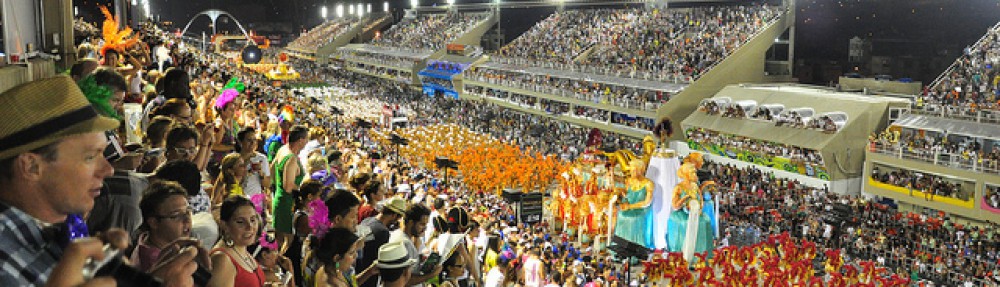
Mangueira is the last of Rio’s major samba school to choose its theme or enredo for what may be a special parade of the samba schools in July 2021. All based on if the vaccine is rolled out successfully in Rio de Janeiro.
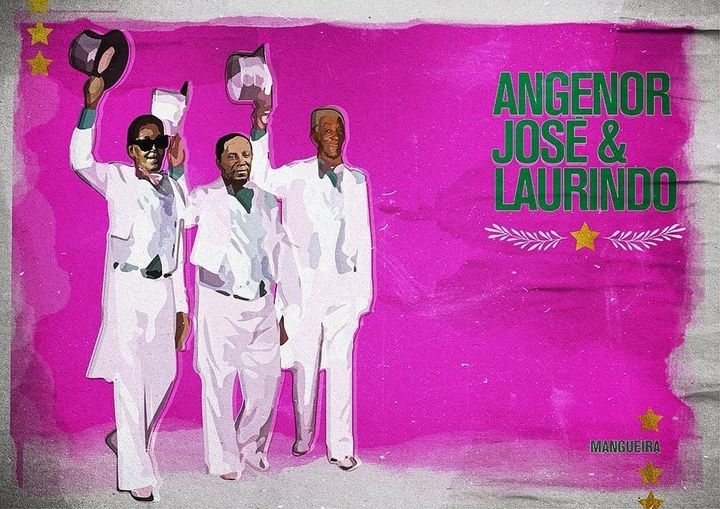
Mangueira’s samba is “Angenor, José &Laurindo”, which refers to three of the school’s most iconic figures, the great composer, Cartola, (Angenor de Oliveira); the singer, Jamelão (José Bispo Clementino dos Santos); and the dance master or mestre-sala, Delegado (Hélio Laurindo da Silva).
2021 also marks the centenary of the birth of Mestre Delegado who performed for the school from 1948 through to 1984, when he retired as the Mestre-Sala after Mangueirahad won the Super-Championship to mark the first year of the Sambódromo. In that time Delegado had always scored a maximum 10 for his presentation.
Despite all the challenges faced by the hospitality industry, the annual list of “Latin America’s 50 Best Restaurants” was announced on 3 December. Bragging rights for the top spot went to Don Julio in Buenos Aires.
Nine restaurants on the list of Latin America’s 50 Best Restaurants are to be found in Brazil. They are A Casa do Porco, D.O.M., Maní, Evvai, Mocotó and Corrutela in São Paulo; Oteque and Lasai in Rio de Janeiro; and Manu in Curitiba.
The full list to give food for thought is:
1. Don Julio, Buenos Aires, Argentina
2. Maido, Lima, Peru
3. Central, Lima, Peru
4. A Casa do Porco, São Paulo, Brazil
5. Pujol, Mexico City, Mexico
6. Boragó, Santiago, Chile
7. El Chato, Bogotá, Colombia
8. Mishiguene, Buenos Aires, Argentina
9. Rosetta, Mexico City, Mexico
10. Osso Lima, Peru
11. Quintonil, Mexico City, Mexico
12. Oteque, Rio de Janeiro, Brazil
13. D.O.M., São Paulo, Brazil
14. Pangea, Monterrey, Mexico
15. Alcalde, Guadalajara, Mexico
16. Tegui, Buenos Aires, Argentina
17. Sud 777, Mexico City, Mexico
18. Kjolle, Lima, Peru
19. Chila, Buenos Aires, Argentina
20. Isolina, Lima, Peru
21. Lasai, Rio de Janeiro, Brazil
22. Astrid y Gastón, Lima, Peru
23. Maní, São Paulo, Brazil
24. Mayta, Lima, Peru
25. Harry Sasson, Bogotá, Colombia
26. Evvai, São Paulo, Brazil
27. Leo, Bogotá, Colombia
28. Parador La Huella, José Ignacio, Uruguay
29. Rafael, Lima, Peru
30. Le Chique, Cancún, Mexico
31. Nicos, Mexico City, Mexico
32. De Patio, Santiago, Chile
33., Mocotó, São Paulo, Brazil
34. Gran Dabbang, Buenos Aires, Argentina
35. Mil, Cusco, Peru
36. Máximo Bistrot, Mexico City, Mexico
37. Mérito, Lima, Peru
38. Osaka, Buenos Aires, Argentina
39. El Baqueano, Buenos Aires, Argentina
40, Narda Comedor, Buenos Aires, Argentina
41. Restaurante 040, Santiago, Chile
42. Maito, Panama City, Panama
43. Aramburu, Buenos Aires, Argentina
44. Manu, Curitiba, Brazil
45. La Mar, Lima, Peru
46. Ambrosía, Santiago, Chile
47. El Preferido de Palermo, Buenos Aires, Argentina
Despite Covid-19 and lockdown Veja São Paulo has also managed to produce its annual guide to São Paulo’s bars and restaurants and pick its best in a number of categories. The city, without question, is one of the world’s great centres for gourmands.
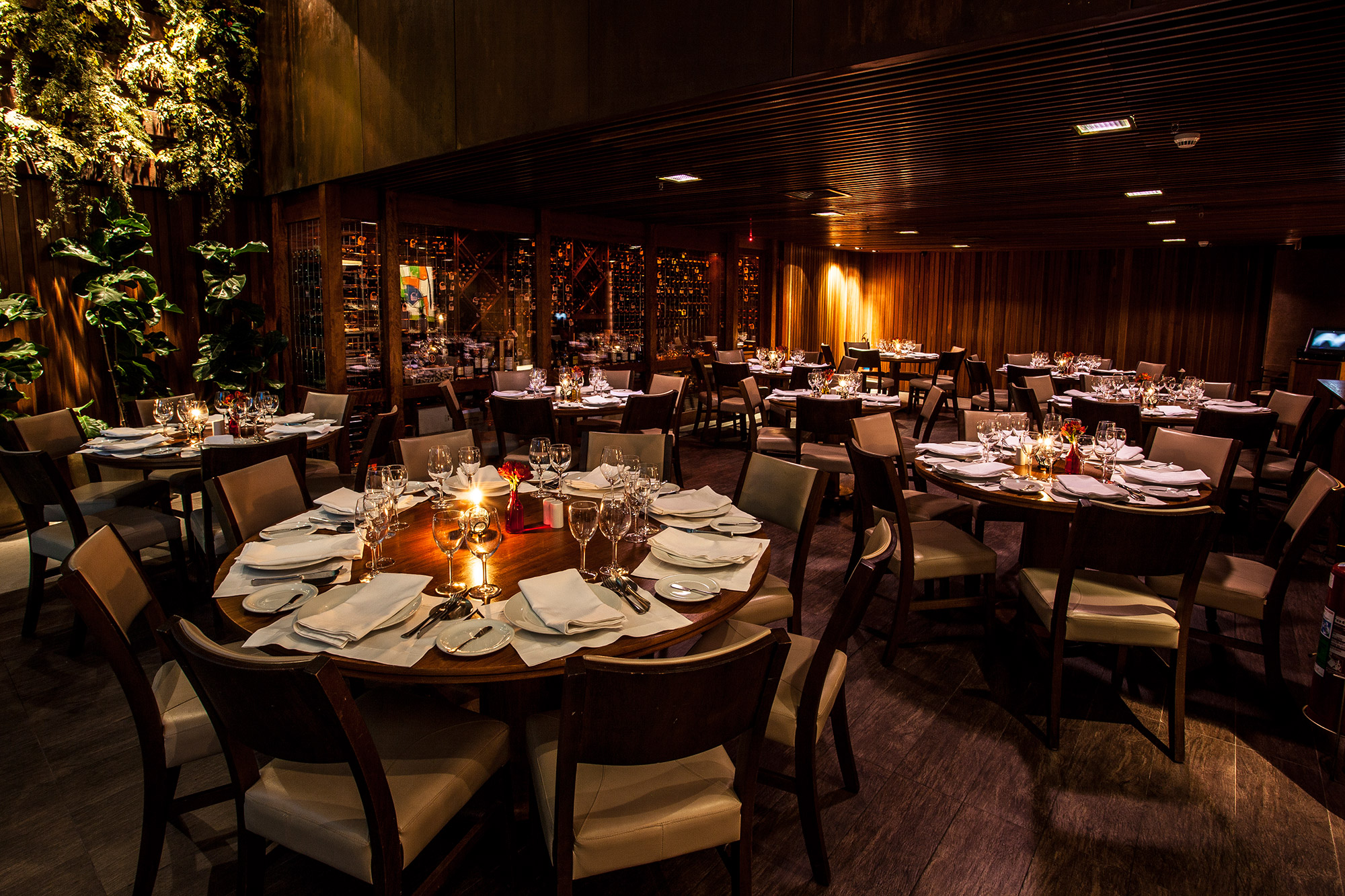
As a taster the top three for Brazilian cuisine in São Paulo are Jiquitaia, Tordesilhas and Banzeiro; for contemporary it is D.O.M., Maní and Corrutela; for meat, Varanda (photo), Rubaiyat and Templo da Carne Marcos Bassi; for French, Bistrot Parigi, Chef Rouge and Président; for Italian, Evvai, Picchi and Fasano; for Trattoria, Lido Amici, di Amici, Moma (Modern Mamma Osteria) and Antonietta Cucina; for Pizza, Deveras Pizza, Carlos and Leggera; for Japanese, Kan Suke, Shin-Zushi and Murakami; for Portuguese, Tasca da Esquina, Costa Nova and Quinta de Santa Maria; and for Arab, Monte Líbano, Miski and Farabbud.
Despite Covid-19 and lockdown Veja Rio has still managed to produce its annual guide to Rio’s bars and restaurants and pick its best in a number of categories.
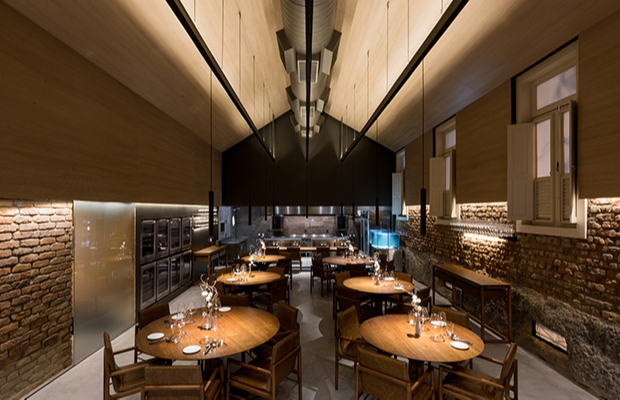
As a taster the top three for Brazilian cuisine are Maria e o Boi, Sabores de Gabriela and Capim Santo; for contemporary it is Oteque (photo), Lasai and Iraja Redux; for meat, Malta Beef Club, Esplanada Grill and Corrientes 348; for French, Emile, Didier and Chez Claude; for Italian, Cipriani, Grado and Anna; for Portuguese, Gajos d’Ouro, Rancho Portugues and Adegão Portugues; for seafood, Venga Chiringuito, Satyricon and Posi Mozza & Mare; for Pizza, Ferro e Farinha, Ella and Braz; for Japanese, Naga, Mitsuba and Haru Sushi Bar; and for vegetarian, Org Bistro, Naturalie Bistro and Prana Vegetarian.
All change at the Fasano Hotel in Ipanema in Rio, at least as far as restaurants go. Out goes Fasano al Mare, which never had much of a fan base, and in comes a branch of the Fasano’s Gero offering sophisticated, contemporary Italian cuisine.
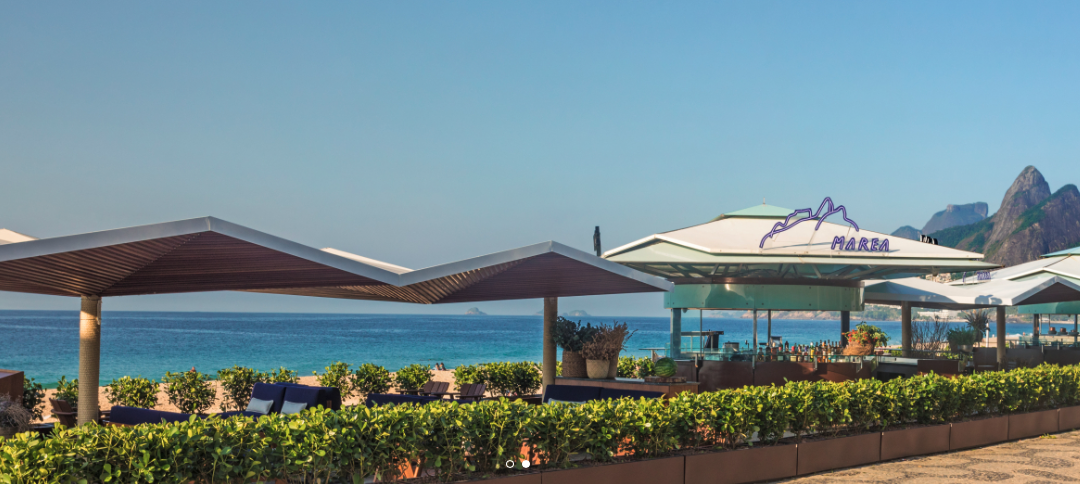
The standalone Gero, in Aníbal de Mendonça, now becomes a more relaxed branch of Panini Gero, offering sandwiches, pastas and pizzas. Gero Barra, remains closed for now, but Gero Trattoria in Shopping Leblon has reopened as has the hotel’s own beach kiosk on Ipanema, Marea.
The Rio Convention & Visitors Bureau (RCVB) has a new Executive Director, Roberta Werner.
Roberta is experienced in working with international events as well as the hospitality industry having worked in Brazil for Windsor, Caesar Park Ipanema, Sofitel Rio, Grand Hyatt and, most recently, Fasano. At the RCVB she replaces Philipe Campello who now heads up TurisRio, the State of Rio Tourist Board.
Fro more information about the Rio Convention & Visitors Bureau CLICK HERE
Kleber Mendonça Filho and Juliano Dornelles’ “Bacurau”, that premiered in Cannes in 2019, won best fiction film, direction, original screenplay, special effects and actor (Silverio Pereira) at the 2020 Grande Premio do Cinema Brasileiro. “A vida invisível” (“The Invisible Life”) by Karim Ainouz was another multiple winner picking up the awards for adapted screenplay, art direction, costumes, cinematography and supporting actress (Fernanda Montenegro).
“Cine Holliúdy 2 – A chibata sideral”, by Halder Gomes, was chosen best comedy, and also won supporting actor for Chico Diaz, while best documentary went to Marcelo Gomes’ “I’m Saving Myself For When the Carnival Arrives” (“Estou me guardando para quando o carnaval chegar”). Best Animated Feature was “Tito e os Pássaros” by Gustavo Steinberg, Gabriel Bitar and André Catoto and Best Children’s Feature Film was Daniel Rezende’s “Turma da Mônica – Laços”.
Sharing the actor prize with Silverio Pereira (“Bacurau”) was Fabrício Boliveira for his performance in“Simonal”, a film that also won the first time directing award for Leonardo Domingues as well as sound and soundtrack awards. Best actress went to Andrea Beltrão for “Hebe Camargo – The Star of Brazil”.
The Audience award went to Pedro Amorim’s “Eu sou mais eu” and best foreign film was Oscar winner “Parasite” (South Korea) by Bong-Joon-Ho.
Full list of winners at the 2020 Grande Premio do Cinema Brasileiro
Fiction Feature Film: “Bacurau”
Direction: Kleber Mendonça Filho and Juliano Dornelles, “Bacurau”
Direction – First Feature: Leonardo Domingues, “Simonal”
Actress: Andrea Beltrão, “Hebe Camargo – The Star of Brazil”
Actor: Silverio Pereira, “Bacurau”, and Fabrício Boliveira, “Simonal”
Supporting Actress: Fernanda Montenegro, “The Invisible Life” (“A vida invisível”)
Michelin has announced the restaurants in Rio and São Paulo to be awarded the prestigious Michelin Star for 2020. With two stars are Oro and Oteque in Rio de Janeiro and D.O.M. and Ryo Gastronomia in São Paulo. One Star was awarded to Cipriani, Lasai and Mee in Rio; and Evvai, Huto, Jun Sakamoto, Kan Suke, Kinoshita, Maní and Picchi in São Paulo.
In “Michelin 2020 Bib Gourmand,” the category that recognises more informal restaurants with good quality and good value cooking, six restaurants in Rio de Janeiro are listed in the 2020 Michelin Guide (Artigiano, Didier, Miam Miam, Lilia, Pici Trattoria, and Maria e o Boi) and 33 in São Paulo (AE! Cozinha, Ama.zo, Arturito, Baianeira, Balaio IMS, Banzeiro, Barú Marisquería, Le Bife, Bio, Bistrot de Paris, Brasserie Victória, Casa do Porco, Casa Santo Antônio, Cepa, Charco, Corrutela, Ecully – Perdizes, Fitó, Kith 2º Andar, Komah, Manioca, Mimo, Mocotó, Nit, Petí Gastronomia, Petí Americana, Piccolo, Più, Più Iguatemi, Tanit, TonTon, Tordesilhas, and Zena Caffè).
According to Michelin 85%, as of 20 September 2020 of Michelin Starred restaurants worldwide at 35 destinations are currently open for dining either inside or outside. In Brazil 72% of the Michelin Starred restaurants are now open, but in the US just 14% of Starred restaurants are welcoming guests again. In Europe, Belgium has 95% of its Michelin Starred restaurants back open; in Spain and Portugal, the percentages have risen to 86% and 93% respectively; while the UK it is at 73%.
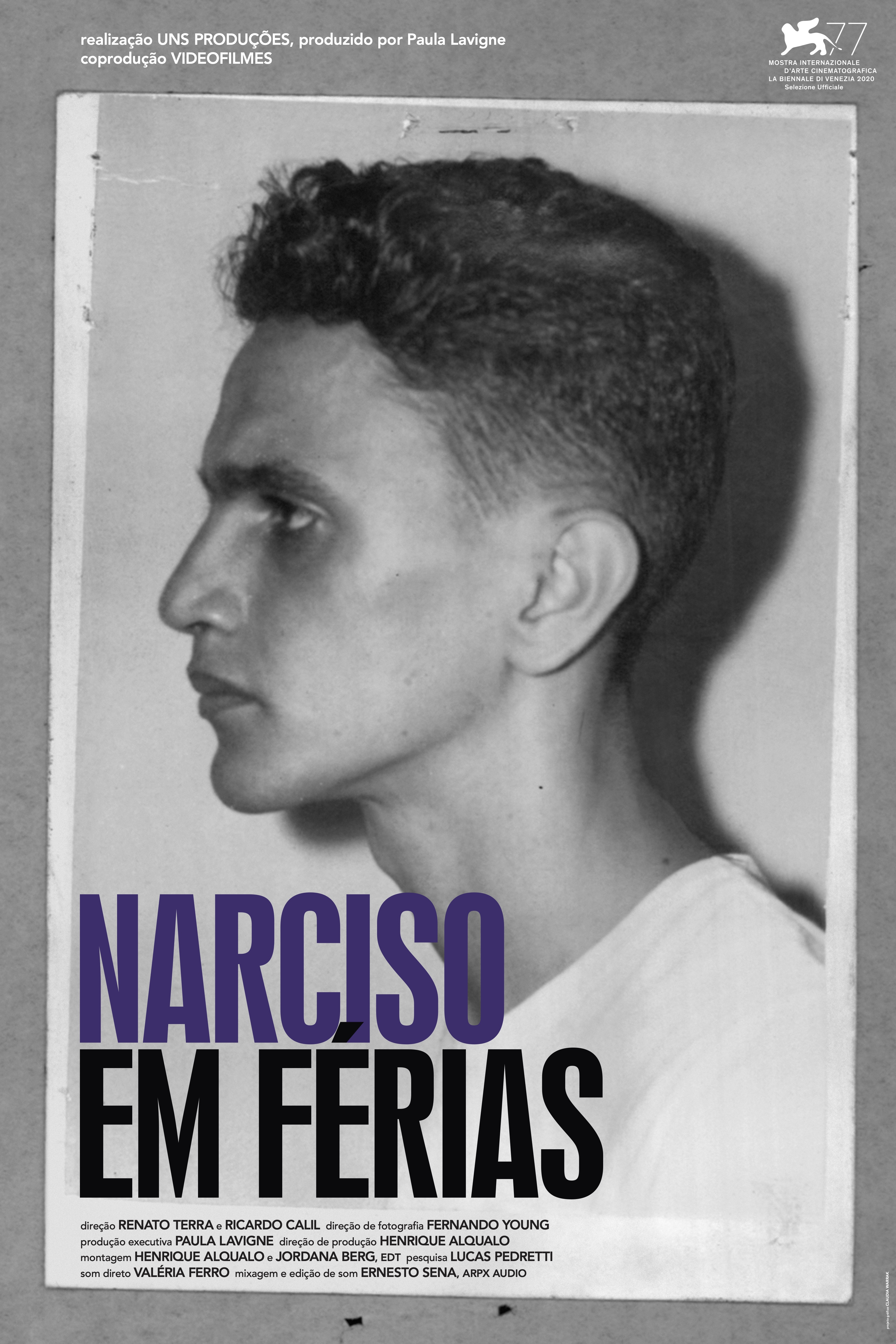
The documentary “Narciso em Férias” (“Narcissus off Duty”) will premiere out of competition on 7 September during the 77th Venice Film Festival. The documentary looks at the great Brazilian sing songwriter, Caetano Veloso’s experience during the military coup in Brazil in 1968 which resulted in him being imprisoned for 54 days.
“Narcissus Off Duty,” paints an intimate portrait of Caetano’s incarceration as he recalls painful memories and performs songs that marked his imprisonment. He also presents new information about why he was detained, exposing the regime’s view of him and shedding light on the arbitrary brutality of the time.
On 13 December 1968, the Brazilian military dictatorship passed Institutional Act Number Five (AI-5), and it marked the beginning of the regime’s most repressive and violent phase. Two weeks later Caetano was arrested. He was taken from his home in São Paulo to Rio de Janeiro, where he was shut in solitary confinement for one week and ultimately imprisoned for 54 days. It was the most difficult experience of his life.
Written and directed by Renato Terra (“A Night in 67”) and Ricardo Calil (“Cine Marrocos”), “Narcissus Off Duty,” is produced by Uns Produções (Paula Lavigne) and co-produced by Walter Salles and João Moreira Salles’s VideoFilmes.
110 years ago, between 22 August and mid-September 1910, Corinthian-Casuals Football Club made its first tour of Brazil, and on 1 September 1910, Sport Club Corinthians Paulista, now one of Brazil’s most famous and successful football clubs, was born based on an admiration of some Paulistas for the elegant play of the Corinthians.
It was on 24 August 1910 that Corinthian Casuals played its first game against Fluminense in Rio, winning 10-1. The next game was against a Rio XI and saw Corinthians score eight to their opponents’ one. The next day there was a cricket match, played against the English Cricket Club, which ended in a draw. The final football match in Rio on 28 August was against a Brazilian National team and saw the game end in a 5-2 win for Corinthians.
The team then moved on to São Paulo at the invitation of former Corinthian Charles Miller, the man credited with introducing football to Brazil, and won all three games. Beating Associacão Atlética das Palmeiras (no relation to the current Palmeiras) 2-0 on 31 August; Paulistano 5-0 on 2 September; and São Paulo AC 8-2 on 4 September. Miller scoring one of the SPAC goals.
Corinthians returned to Brazil in 1913 and 1914. Upon arrival in 1913, Corinthians played Rio de Janeiro in their first match, losing 1-2, their only defeat on the tour. They won 4-0 against the Estrangeiros, the final game in Rio seeing Corinthians beat the Brasilieros 2-1. In Sao Paulo, Corinthians won two games against MacKenzie College and Club Athletico Paulistano before being held by Associação Atlética das Palmeiras. The crowds on this tour were all between 6,000 and 10,000 which highlighted what popular visitors they were.
The 1914 tour sadly resulted in no matches being played due to the outbreak of the First World War, which meant the players returned to Britain almost as soon as they arrived.










 Rio the Guide