
SUNDAY, 2 MARCH 2025
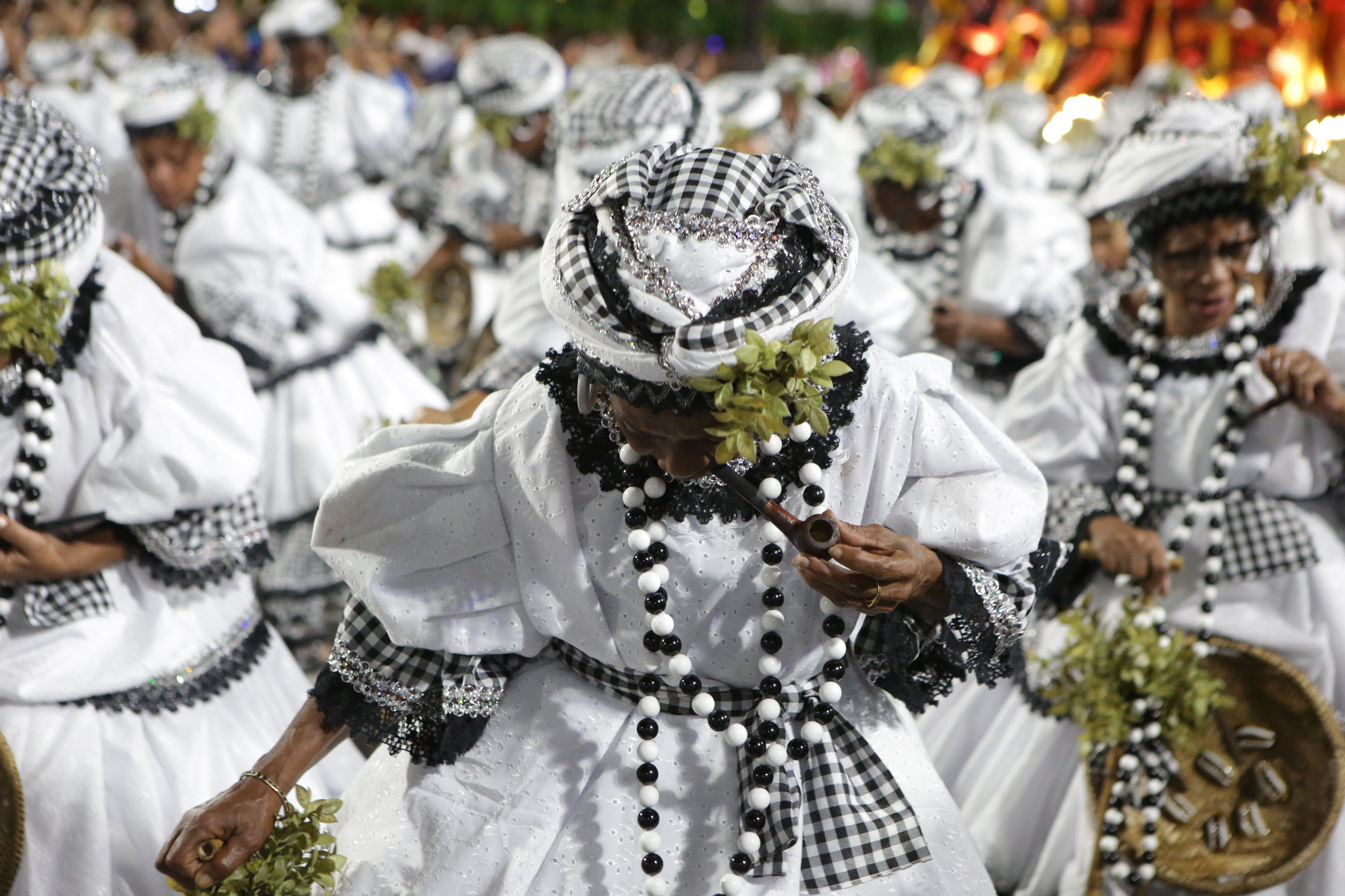
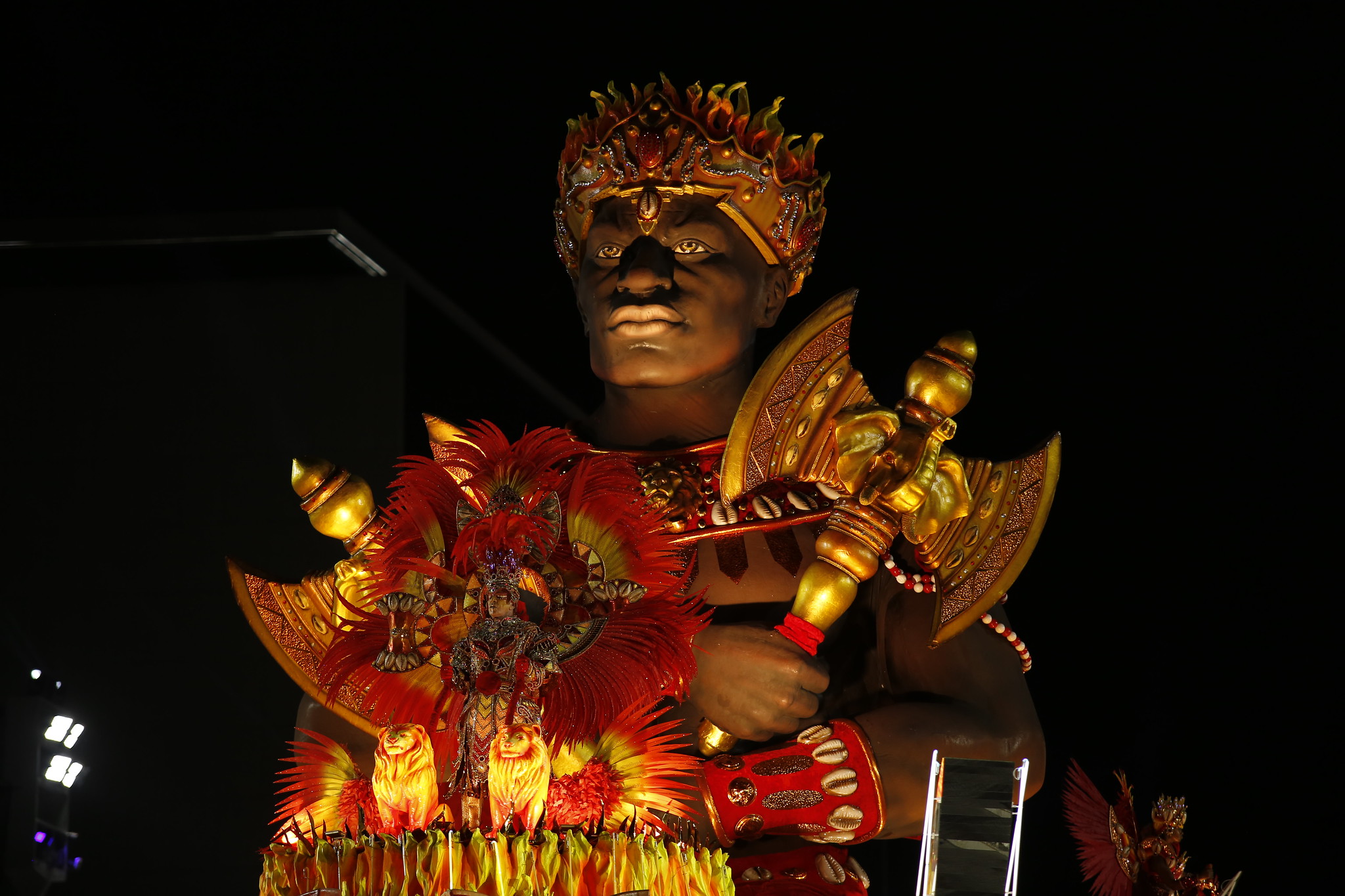
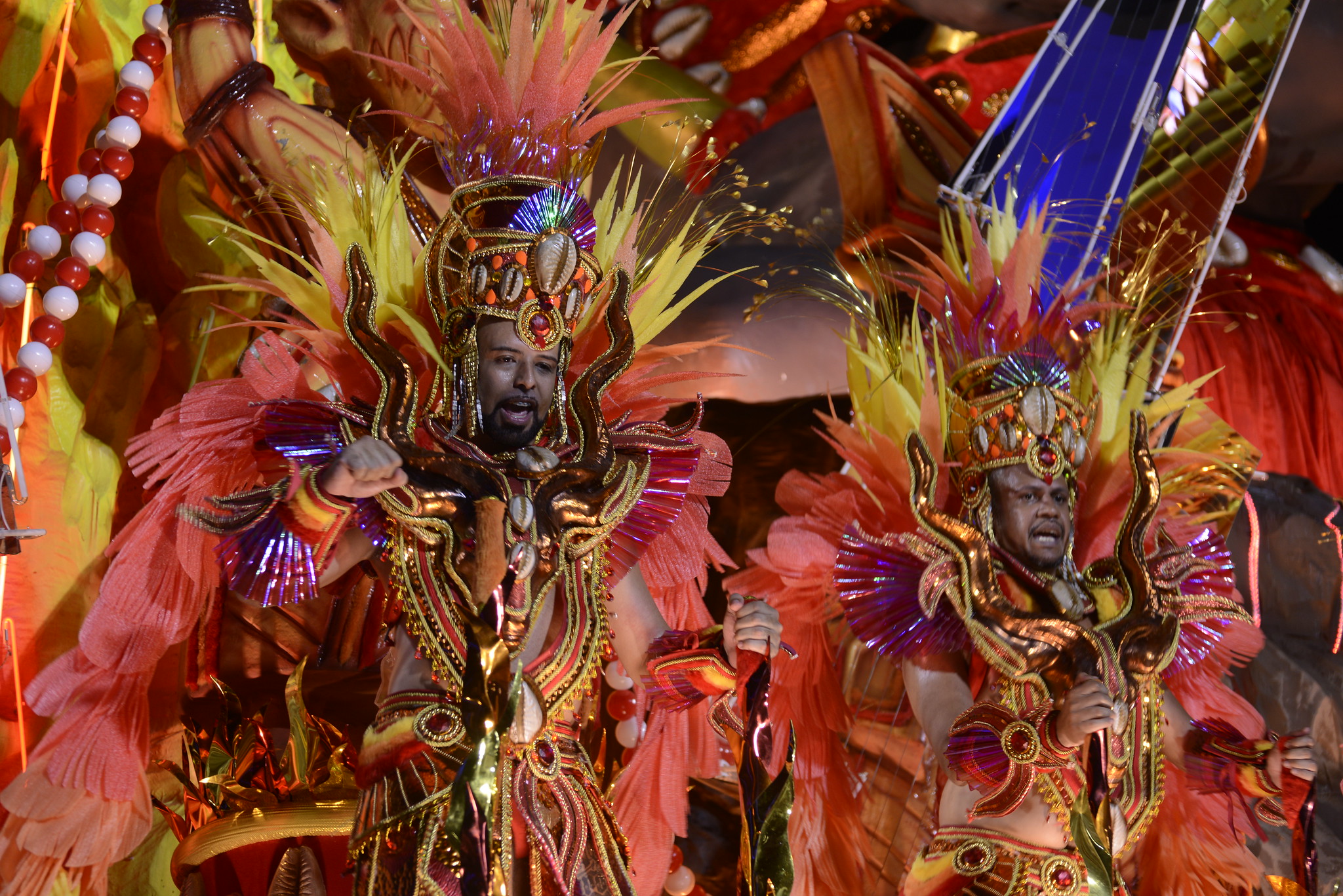
Padre Miguel: “Egbé Iyá Nassô” pays homage to the history of the Terreiro da Casa Branca do Engenho Velho, the first Candomblé terreiro (Afro-Brazilian temple) in Brazil, highlighting the resistance of black people and the strength of African women in the struggle for faith and identity.
Imperatriz Leopoldinense: “Ómi Tútú ao Olúfon – Água fresca para o senhor de Ifón”(Ómi Tútu to Olúfon – Fresh Water For the Lord of Ifón’. The story of Oxalá’s desire to visit the kingdom of Xangô, both orishas (divine spirits) and kings within axé culture.
Viradouro: “Malunguinho: O mensageiro de três mundos” (‘Malunguinho: The Messenger of Three Worlds) presents the story of Malunguinho, a hero of the 19th century and the leader of the Catucá Quilombo (a community organised by fugitive slaves) in the north of Pernambuco. The storyline delves into the struggle for freedom and resistance, and the strong dialogue between Afro and indigenous cultures
Mangueira: “À Flor da Terra, no Rio da Negritude entre Dores e Paixões” (At the Flower of the Earth, On the River of Blackness Between Sorrows and Passions) is a narrative that spans time and explores the arrival of the Bantu people at Rio’s Valongo Wharf. It explores the black presence in the centre of Rio, from the influence of the Bantus to the current reality, highlighting the struggles and celebrations of this population.

MONDAY, 3 MARCH 2025
Unidos da Tijuca: “Logun-Edé: Santo Menino Que Velho Respeita” (Logun-Edé: A Saintly Boy Whom Old Men Respect), the story of Logun Edé, the son of Oxum (fresh water) and Oxóssi (the hunter) this orisha, a boy saint that old men respected, carries the essence of youth but the strength of traditions, and is celebrated as a symbol of hope and renewal.
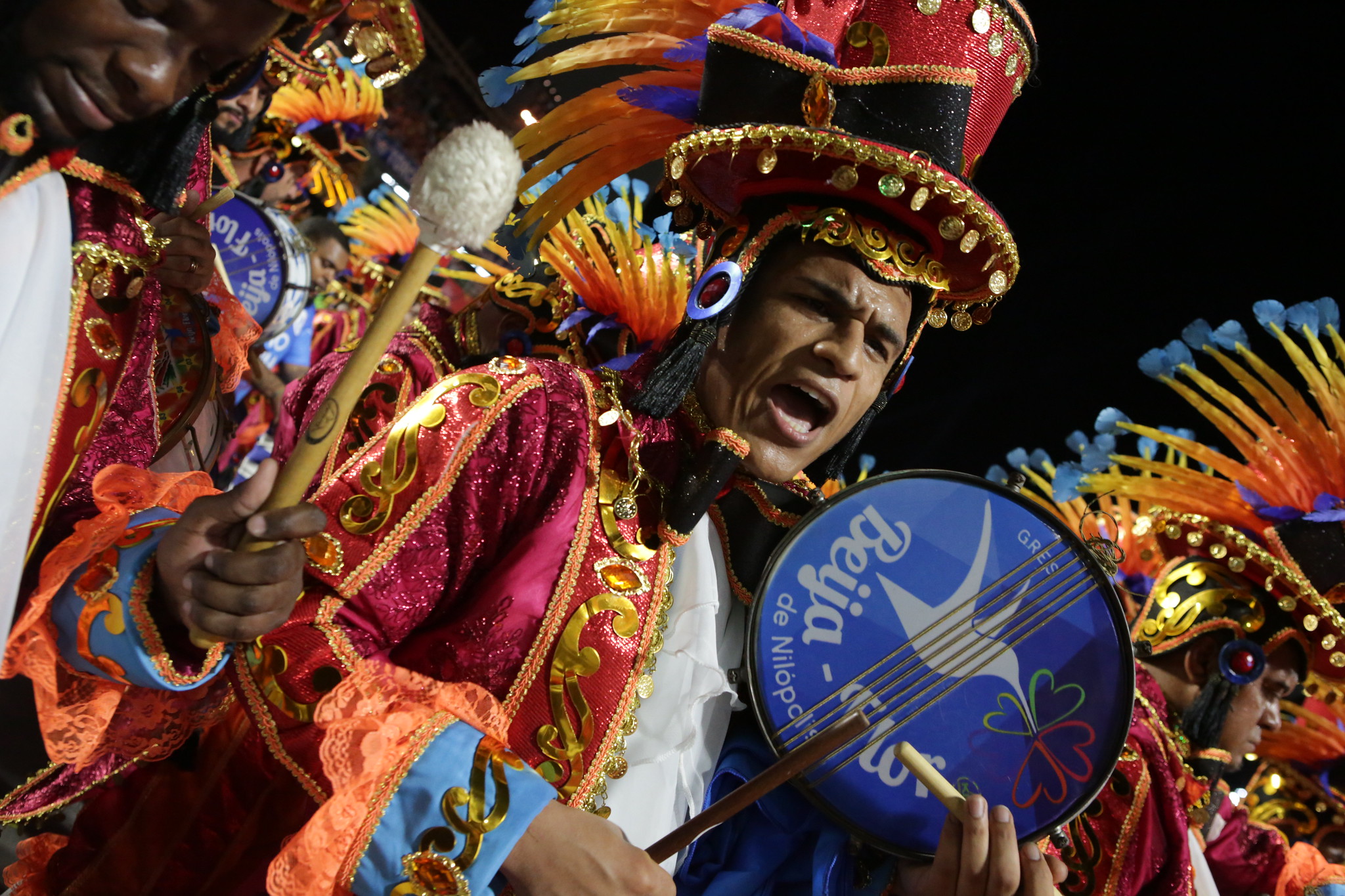
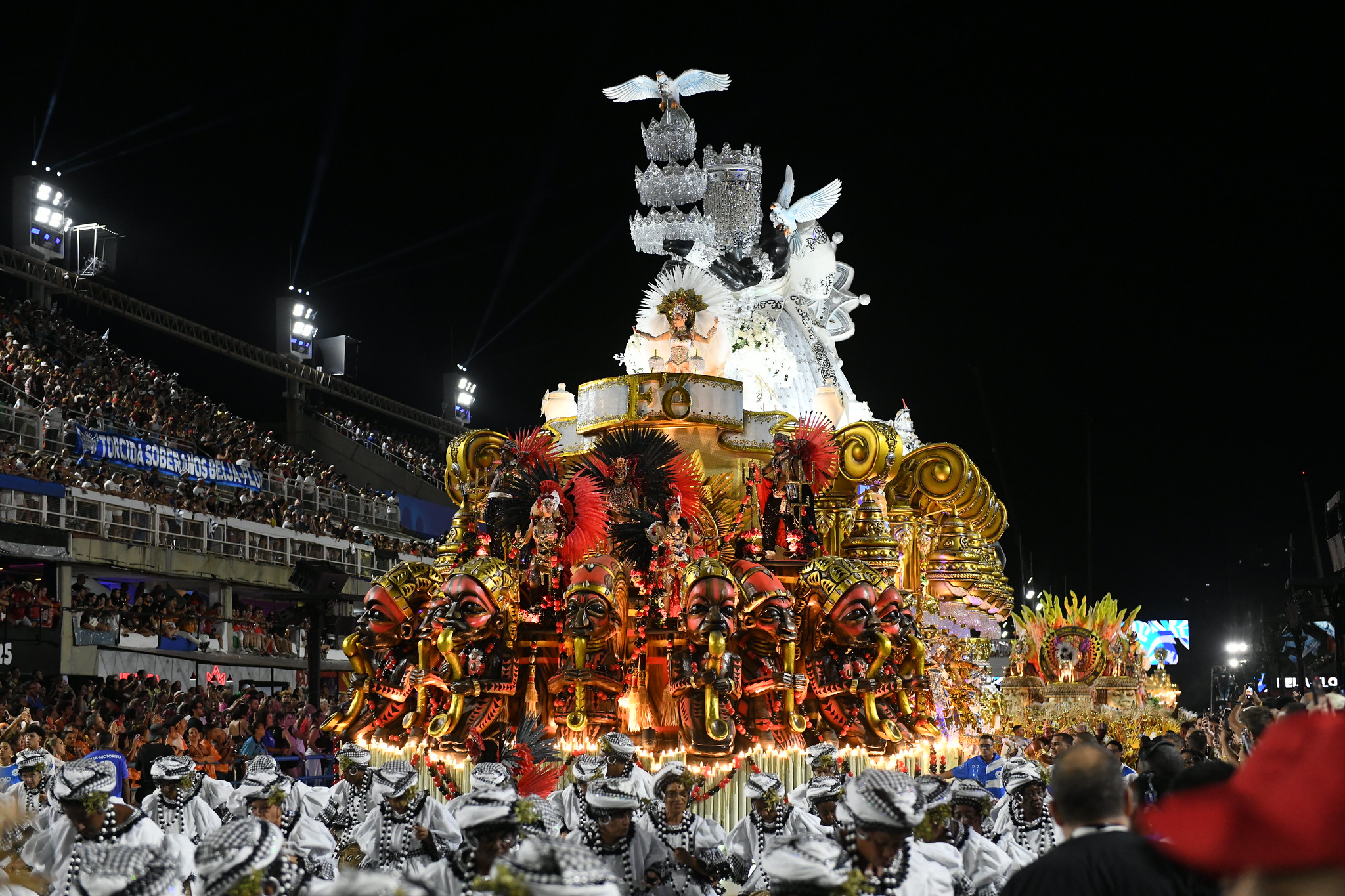
Beija-Flor: “Laíla de todos os santos, Laíla de todos os sambas” (Laíla Of All Saints, Laíla Of All Sambas) recognises and celebrates the work of the school’s carnival director, Laila (Luiz Fernando Ribeiro do Carmo), who died in 2021. It highlights his work in the history of Brazilian carnival along with his invaluable contribution to Beija-Flor’s own story.
Salgueiro: “Salgueiro de Corpo Fechado”, (Closed Body) dives into the rituals used by different cultures throughout history to protect themselves in the search for spiritual protection, including African beliefs, indigenous practices and elements of Rio’s popular culture.
Vila Isabel: “Quanto mais eu rezo, mais assombração aparece” (‘The More I pray, the More Hauntings Appear’) is a walk from childhood to adulthood through the universe of fantastic beings and hauntings that are very strong in Brazilian popular culture. It takes us back to a time when we feared the Bogeyman, the witch and others.

TUESDAY, 4 MARCH 2025
Mocidade: “Voltando para o futuro, não há limites para sonhar” (Back To the Future – There Are No Limits To Dreaming’,) involves an intergalactic journey that begins with the star of Mocidade, the symbol of the school, and the need for the school to shine and return to its former brilliance. At the same time, the school looks at the importance of stars in our lives following on from the Big Bang.
Paraíso do Tuiuti: “Quem tem medo de Xica Manicongo” (Who’s Afraid of Xica Manicongo?) is the story of the first documented trans woman in Brazil, Xica Manicongo, a striking figure who carried within her the resistance and struggle for identity and freedom. Xica arrived in Brazil enslaved from Africa. Baptised as Francisco, her name and identity did not reflect who she really was. Within the harsh reality of slavery, Xica sought to preserve her religious practices and found refuge with the Tupinambá people in Bahia where she exchanged knowledge and experiences in a context of collective learning and cultural resistance.
Grande Rio: “Pororocas parawaras: As águas dos meus encantos nas contas dos curimbós” (Pororocas parawaras: The Waters of My Charms in the Beads of the Curimbós’). The parade plunges into the mysterious waters of the state of Pará and focuses on the enchanted entities that inhabit the pororocas, where the rivers meet the sea. A plot that celebrates the Parawara Pororocas and the cultural riches of the region, marked by unity and tradition.
Portela: “Cantar será buscar o caminho que vai dar no sol – Uma homenagem a Milton Nascimento” (To Sing Is To Seek the Path That Leads To the Sun – A Tribute to Milton Nascimento). Portela honours the great singer-songwriter Milton Nascimento, highlighting his career and contribution to Brazilian music. A tribute that marks the first time that Portela has honoured an artist during their lifetime. The history and importance of Minas Gerais and Brazilian popular art are also a large part of Milton’s story.
















 Rio the Guide