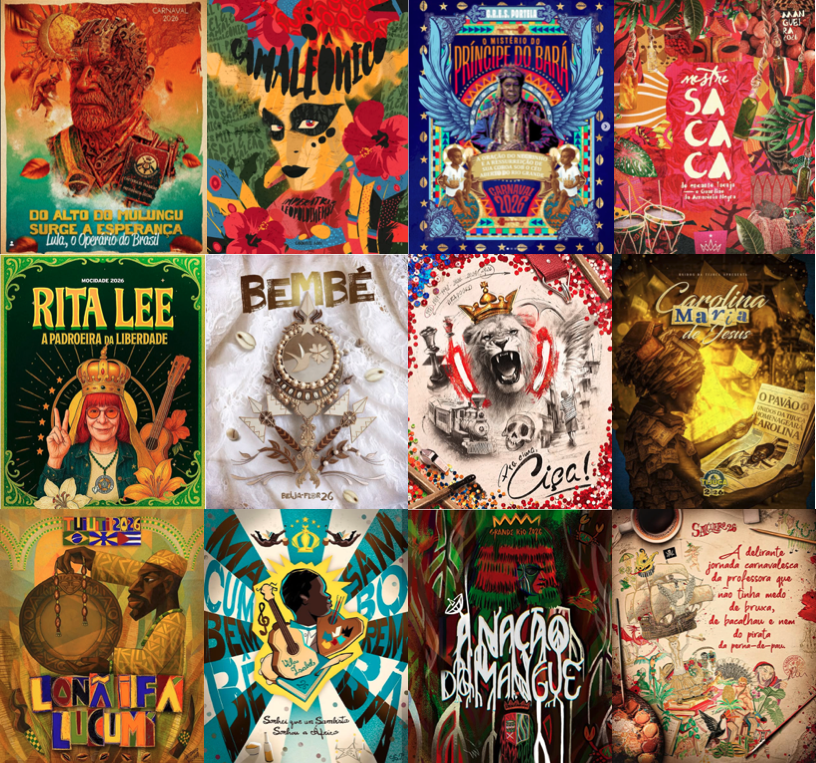
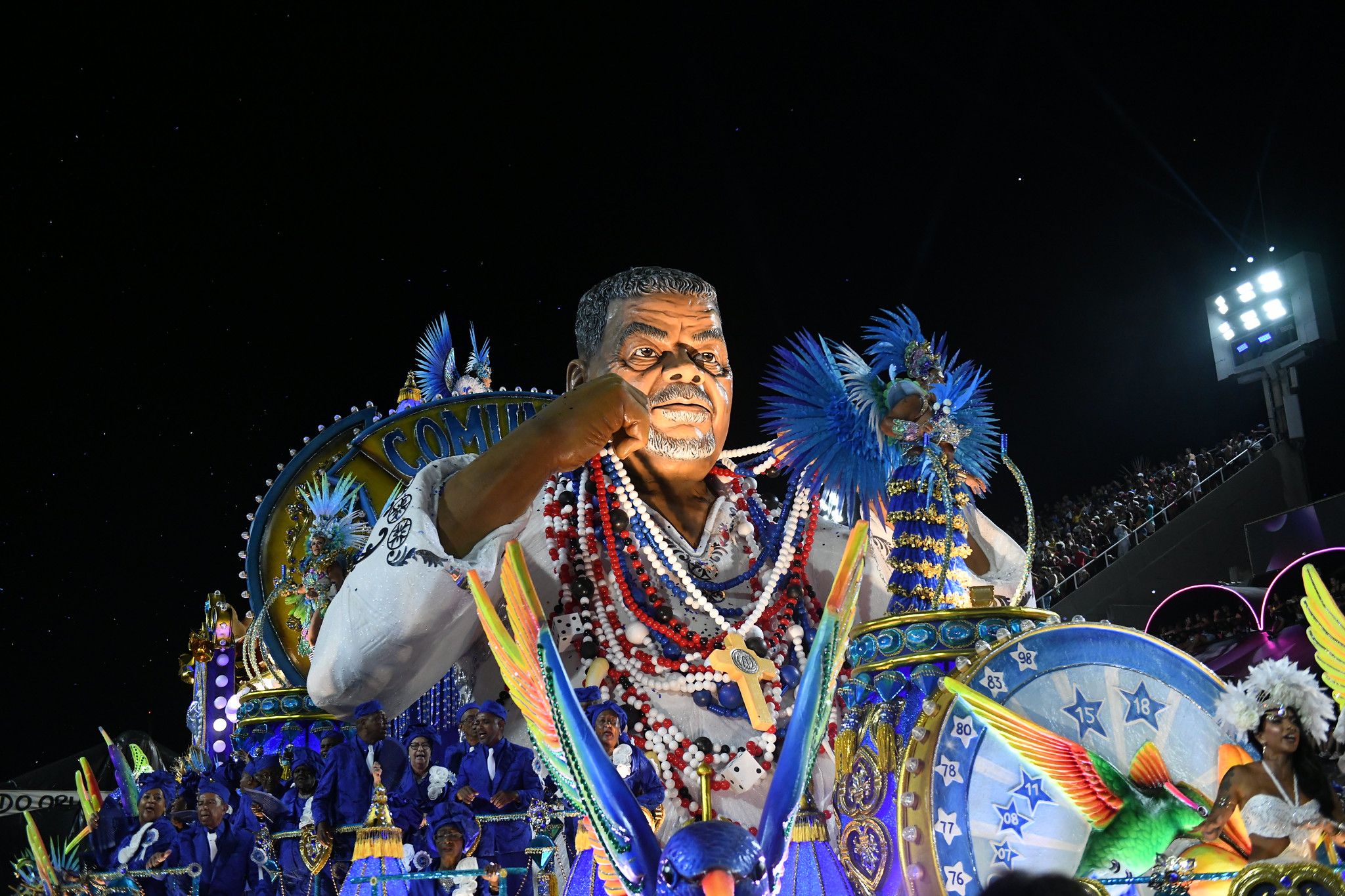
A diverse selection of themes and story lines have been chosen to be presented in 2026. Acadêmicos de Niterói will open the 2026 parades with a theme based on the life of President Luiz Inácio Lula da Silva. With the theme “”From the Top of the Mulungu Tree, Hope Arises: Lula, the Worker of Brazil.”, the school tells the story of the president from his childhood in the hinterlands of Pernambuco to his arrival at the Presidency. The plot uses the mulungu, a tree typical of the Pernambuco countryside, as a symbol of Lula’s origins and political path.
Imperatriz pays tribute to Ney Matogrosso, one of the biggest names in Brazilian music. The theme, entitled “Camaleônico” (Chameleon), is a portrait of the singer’s artistic and performative multiplicity. The school revisits hits such as “Sangue Latino,” “Rosa de Hiroshima,” “O Vira,” “Homem com H” and “Metamorfose Ambulante,” highlighting Ney’s influence on Brazilian culture.
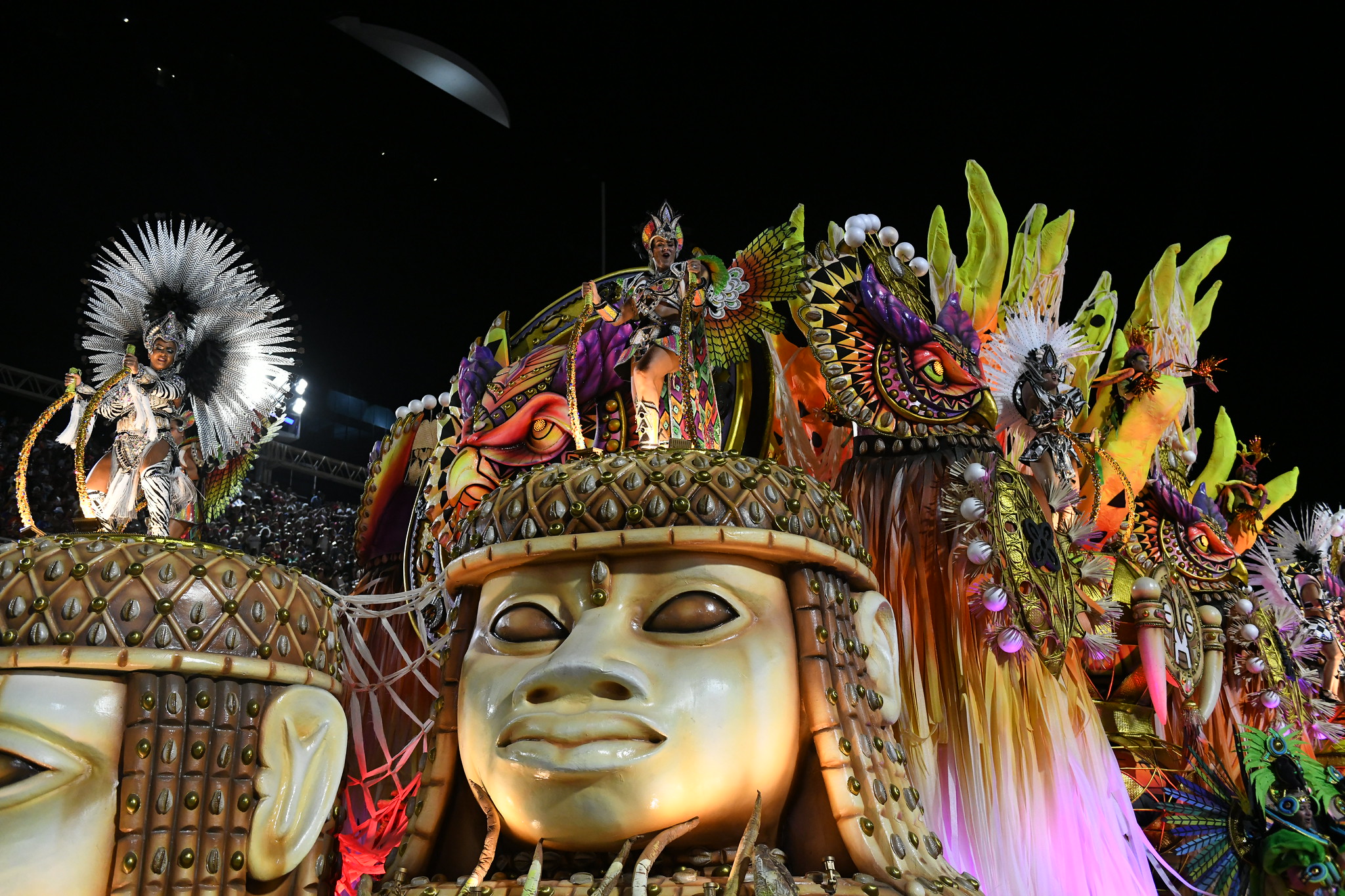
Portela’s theme is “The Mystery of the Prince of Bará — The Prayer of the Black Boy and the Resurrection of His Crown Under the Open Sky of Rio Grande,” in honour of Prince Custódio, a historical and spiritual figure of African origin who marked Afro-Gaúcho culture in the 19th century. The parade addresses the religious, cultural and political legacy of the Prince, highlighting the black presence in southern Brazil and the amalgamation between African-based religions and popular traditions.
Mangueira’s theme “Mestre Sacaca do Encanto Tucuju – The Guardian of the Black Amazon,” tells the story of Mestre Sacaca (Raimundo dos Santos Souza), a reference in Afro-indigenous knowledge in Amapá. Known as the “Doctor of the Forest,” he was renowned for his knowledge of Amazonian herbs, roots, and saps, used in the treatment of diseases and community care. Mestre Sacaca was also a marabaixeiro, defender of the forest, and an active figure in the Amapá carnival, where he served as King Momo for over 20 years.
Mocidade pays tribute to Rita Lee, who died in 2023, with the theme “Rita Lee, Patron Saint of Freedom.” The parade celebrates the musical, aesthetic and behavioural legacy of the iconic artist, a symbol of avant-garde and freedom of expression.
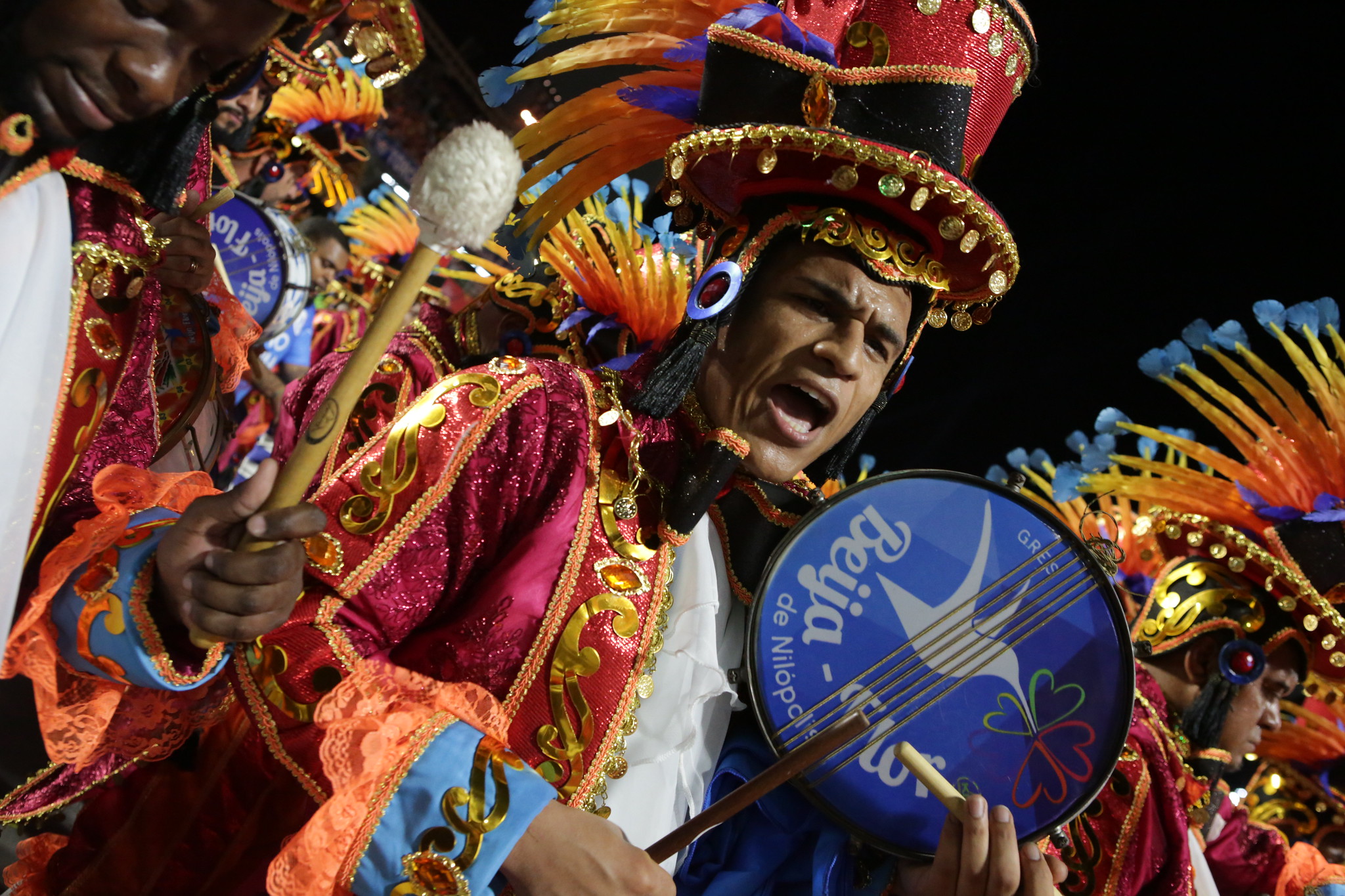
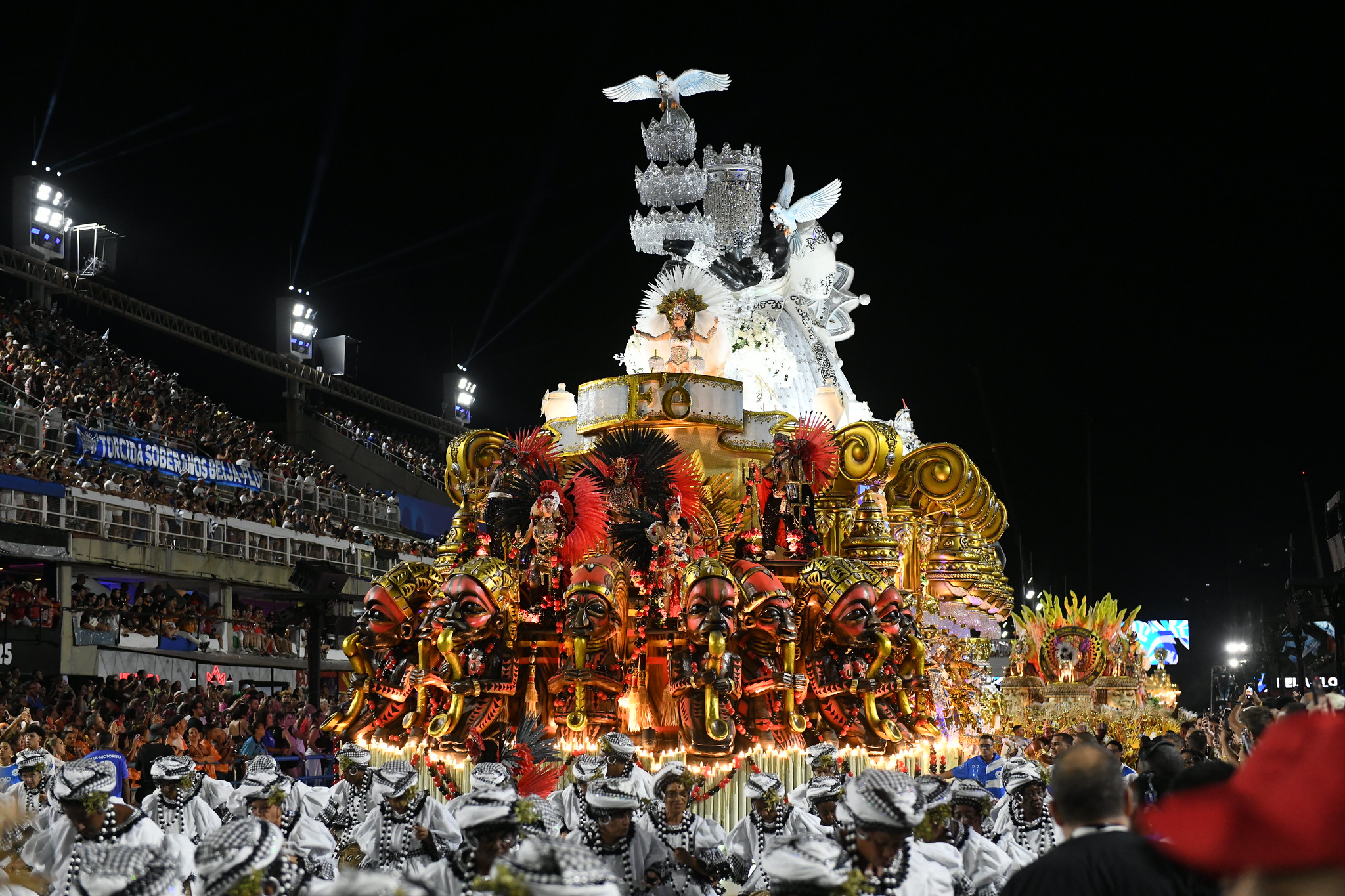
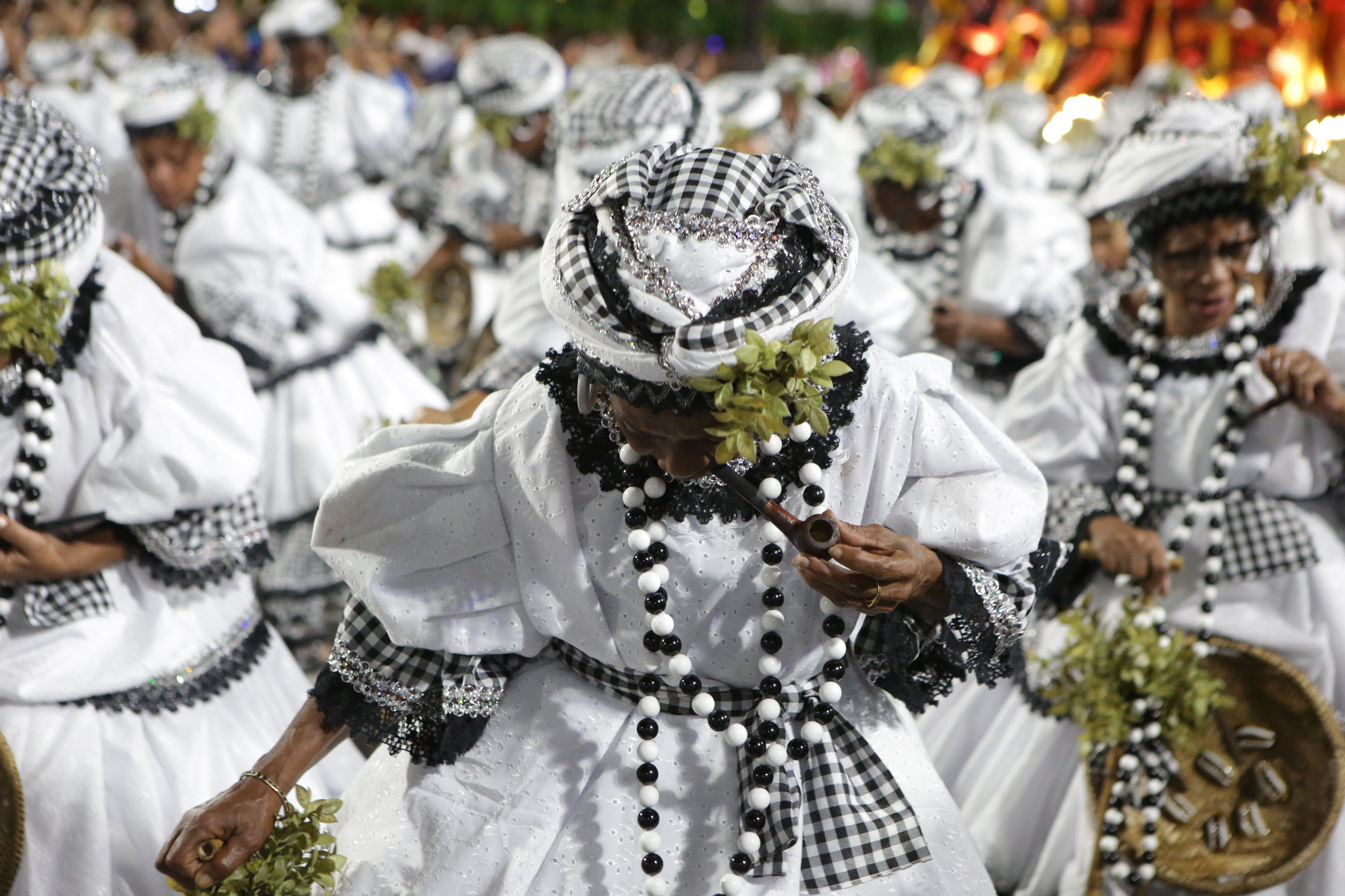
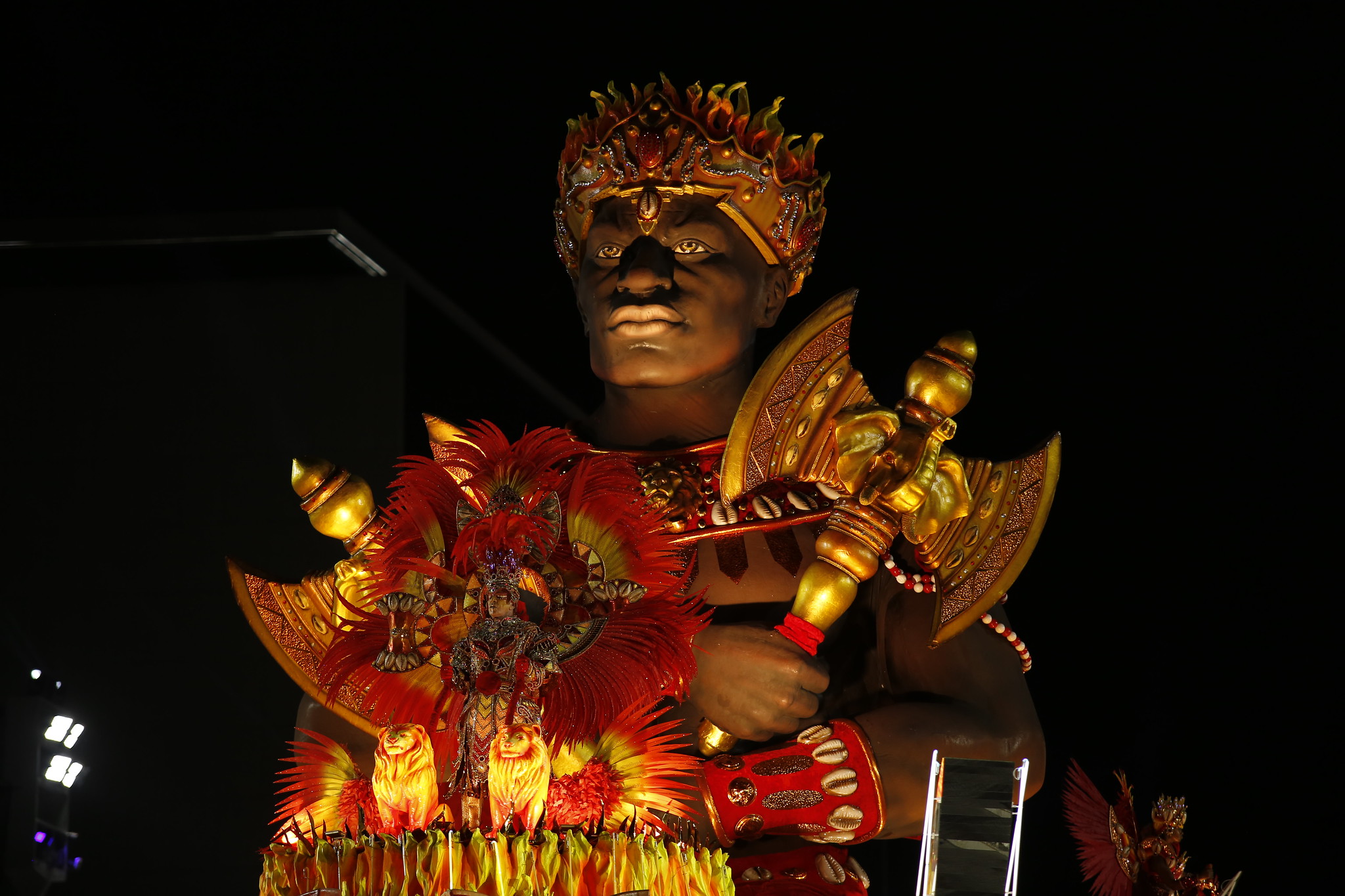
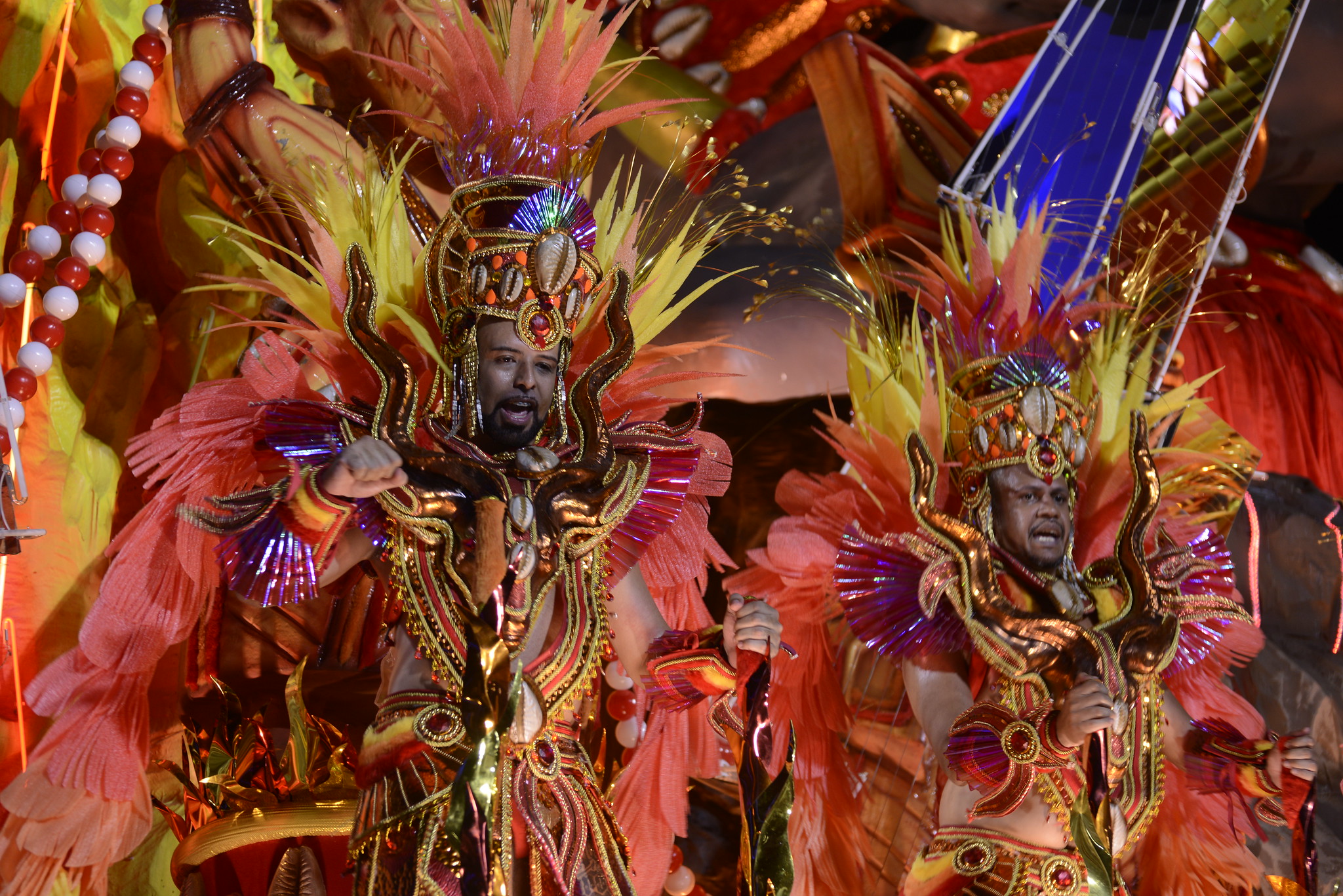
Current champion, Beija-Flor focuses on the Bembé do Mercado, a ceremony held for over 130 years in Santo Amaro da Purificação, in the Recôncavo Baiano, considered the largest street candomblé in the world. Created in 1889, one year after the abolition of slavery, Bembé brings together dozens of terreiros (places of worship) and celebrates freedom through public rituals, processions and offerings to the orixás (deities). The festival is part of the Intangible Cultural Heritage of Bahia and Brazil and is seeking recognition from UNESCO.
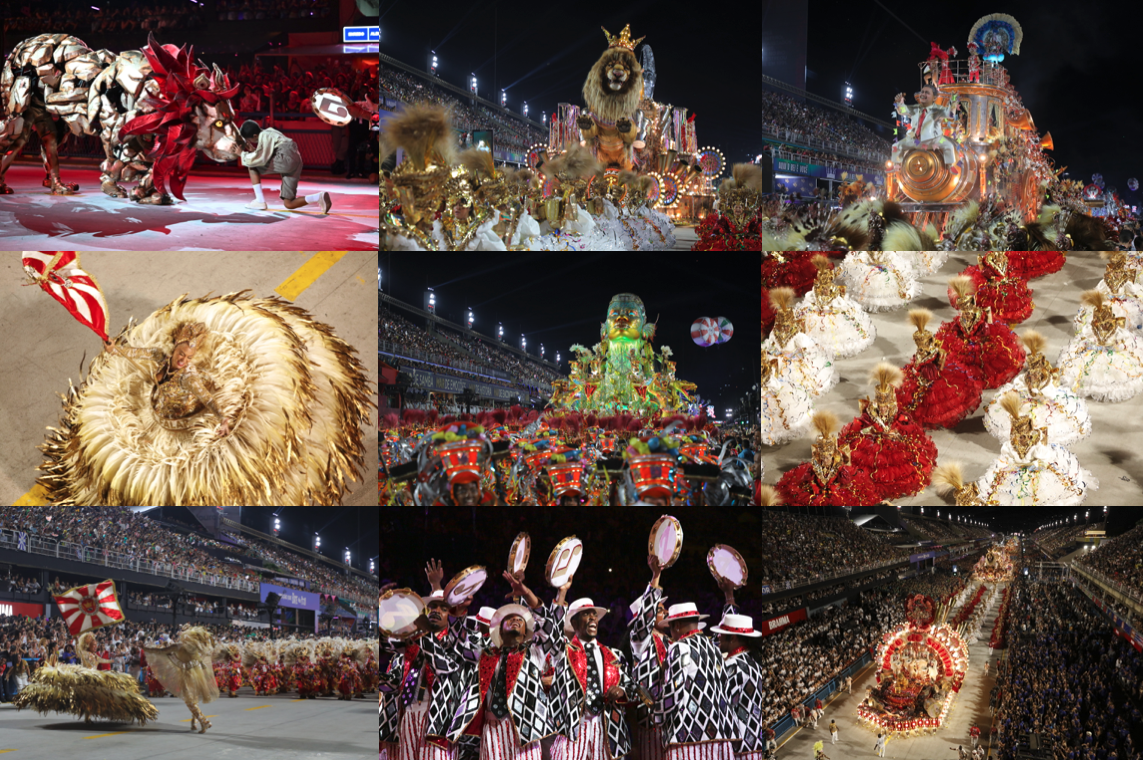
Viradouro pays tribute to Mestre Ciça, one of the biggest names in the history of Rio’s carnival, with the theme “Pra Cima, Ciça” (Up, Ciça). Moacyr da Silva Pinto, Mestre Ciça, will turn 70 in 2026 and will be taking part in his 55th parade. He has won two titles for Viradouro, in 2020 and 2024, and is recognised for his longevity, strength and innovation at the head of the school’s percussion sections.
Unidos da Tijuca pays tribute to writer Carolina Maria de Jesus. Considered one of the most powerful voices in Brazilian literature, Carolina portrayed life in the favelas and social inequalities in depth. Her best-known book, “Quarto de Despejo: Diário de uma Favelada” (The Room of Disposal: Diary of a Slum Dweller), published in 1960, had a major impact in Brazil and abroad, and is still a reference on the reality of the suburbs today.
Paraíso do Tuiuti theme ,”Lonã Ifá Lukumi”, addresses an Afro-Caribbean religious aspect that is being rediscovered in Brazil. The theme looks at the Ifá religion, mixing Brazilian and Caribbean sounds in the melody.
Vila Isabel’s theme “Macumbembê, Samborembá: I Dreamed that a Samba Dancer Dreamed of Africa,” honours Heitor dos Prazeres, an artist who played a fundamental role in the history of samba and carnival. Creator of the expressions “Little Africa” and “Africa in Miniature,” Heitor was an ogã at Tia Ciata’s terreiro, participated in the first carnival ranchos, and had internationally recognised works, including a painting acquired by Queen Elizabeth II. The parade has dreams as the driving force behind its central theme.
Grande Rio brings Manguebeat, a cultural movement that emerged in Pernambuco in the 1990s, mixing regional rhythms such as maracatu with rock, hip-hop, and electronic music. The school delves into the symbolism of the mangroves to show how culture, music and social transformation spring from the mud, with references to alfaias, caboclos de lança, the lyrics of Chico Science and the manifesto of Fred 04.
Last, but far from least, Salgueiro will close out the carnival parades in 2026 by paying tribute to the carnavalesco Rosa Magalhães, one of the greatest, who died in 2024. The samba, entitled “The Delirious Carnival Journey of the Teacher Who Was Not Afraid of Witches, Codfish or Even the Pirate with a Wooden Leg” (“A delirante jornada carnavalesca da professora que não tinha medo de bruxa, do bacalhau e do pirata da perna-de-pau”) is a playful parade inspired by the artist’s creative career, bringing together characters, myths and references from her historic parades from past carnivals.

Album of the 2026 sambas.












 Rio the Guide