Rio’s Carnival Themes – Enredos – for 2025

SUNDAY, 2 MARCH 2025

Padre Miguel: “Egbé Iyá Nassô” pays homage to the history of the Terreiro da Casa Branca do Engenho Velho, the first Candomblé terreiro (Afro-Brazilian temple) in Brazil, highlighting the resistance of black people and the strength of African women in the struggle for faith and identity.

Imperatriz Leopoldinense: “Ómi Tútú ao Olúfon – Água fresca para o senhor de Ifón”(Ómi Tútu to Olúfon – Fresh Water For the Lord of Ifón’. The story of Oxalá’s desire to visit the kingdom of Xangô, both orishas (divine spirits) and kings within axé culture.

Viradouro: “Malunguinho: O mensageiro de três mundos” (‘Malunguinho: The Messenger of Three Worlds) presents the story of Malunguinho, a hero of the 19th century and the leader of the Catucá Quilombo (a community organised by fugitive slaves) in the north of Pernambuco. The storyline delves into the struggle for freedom and resistance, and the strong dialogue between Afro and indigenous cultures

Mangueira: “À Flor da Terra, no Rio da Negritude entre Dores e Paixões” (At the Flower of the Earth, On the River of Blackness Between Sorrows and Passions) is a narrative that spans time and explores the arrival of the Bantu people at Rio’s Valongo Wharf. It explores the black presence in the centre of Rio, from the influence of the Bantus to the current reality, highlighting the struggles and celebrations of this population.


MONDAY, 3 MARCH 2025

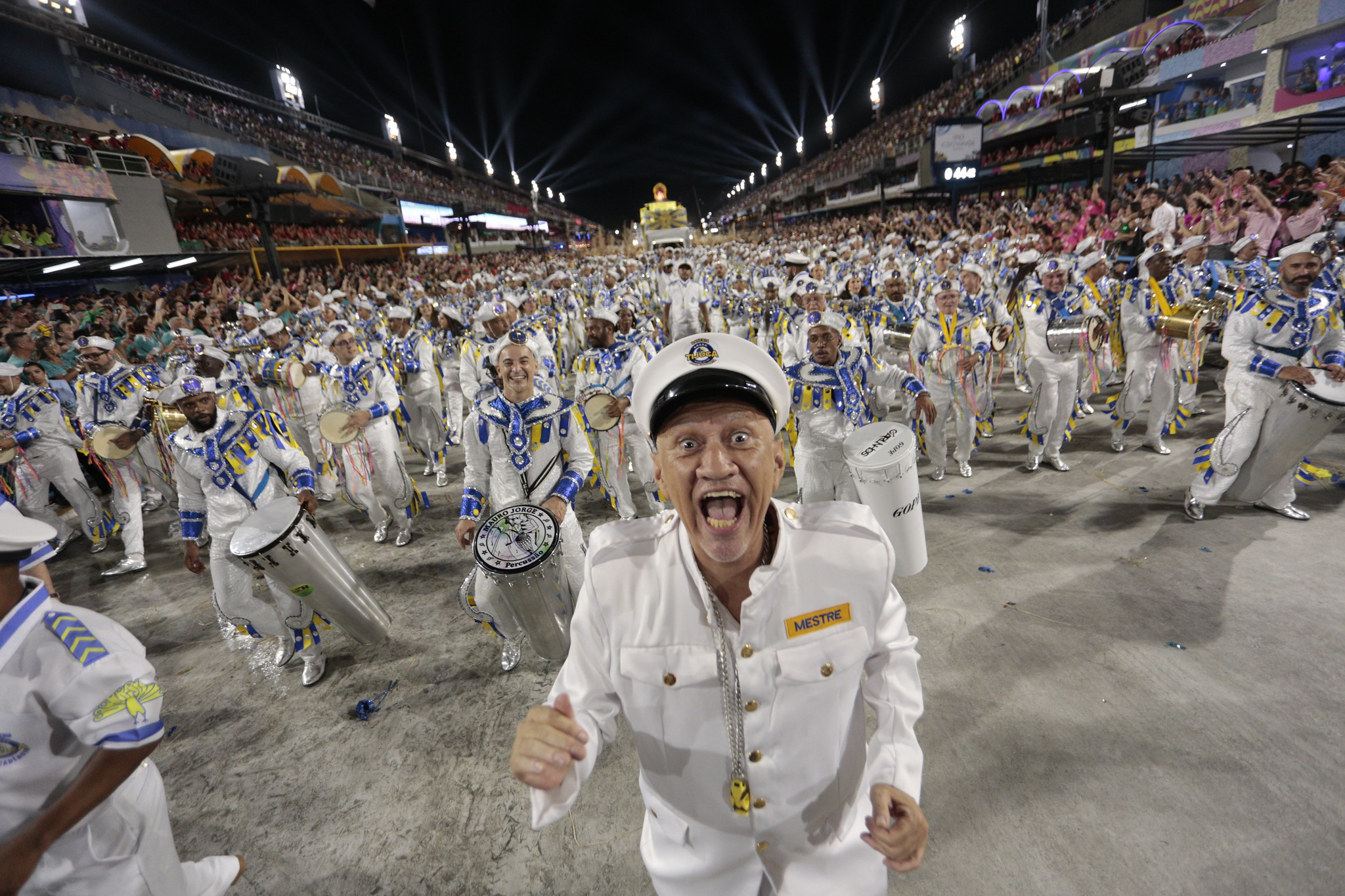
Unidos da Tijuca: “Logun-Edé: Santo Menino Que Velho Respeita” (Logun-Edé: A Saintly Boy Whom Old Men Respect), the story of Logun Edé, the son of Oxum (fresh water) and Oxóssi (the hunter) this orisha, a boy saint that old men respected, carries the essence of youth but the strength of traditions, and is celebrated as a symbol of hope and renewal.

Beija-Flor: “Laíla de todos os santos, Laíla de todos os sambas” (Laíla Of All Saints, Laíla Of All Sambas) recognises and celebrates the work of the school’s carnival director, Laila (Luiz Fernando Ribeiro do Carmo), who died in 2021. It highlights his work in the history of Brazilian carnival along with his invaluable contribution to Beija-Flor’s own story.

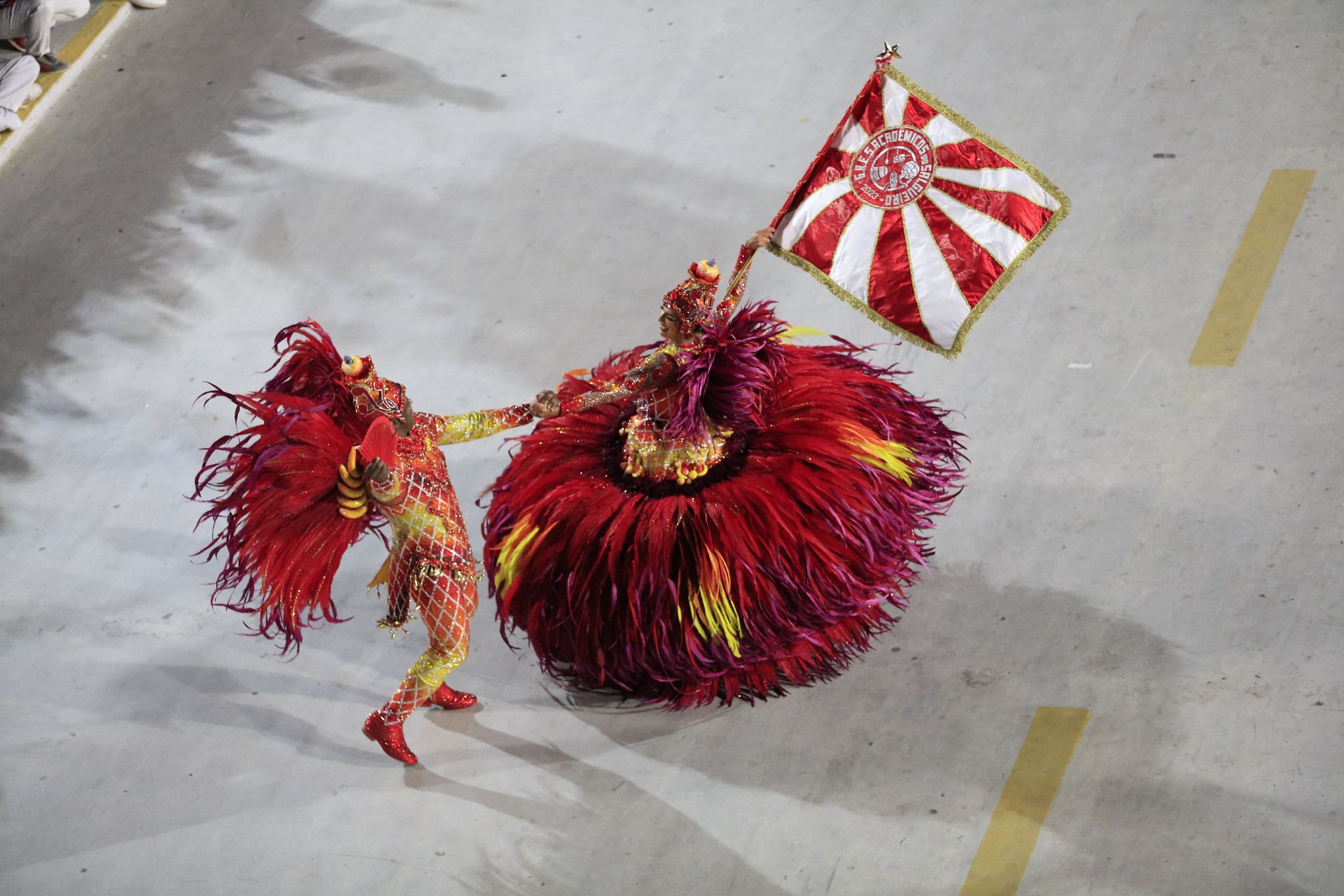
Salgueiro: “Salgueiro de Corpo Fechado”, (Closed Body) dives into the rituals used by different cultures throughout history to protect themselves in the search for spiritual protection, including African beliefs, indigenous practices and elements of Rio’s popular culture.

Vila Isabel: “Quanto mais eu rezo, mais assombração aparece” (‘The More I pray, the More Hauntings Appear’) is a walk from childhood to adulthood through the universe of fantastic beings and hauntings that are very strong in Brazilian popular culture. It takes us back to a time when we feared the Bogeyman, the witch and others. 


TUESDAY, 4 MARCH 2025

Mocidade: “Voltando para o futuro, não há limites para sonhar” (Back To the Future – There Are No Limits To Dreaming’,) involves an intergalactic journey that begins with the star of Mocidade, the symbol of the school, and the need for the school to shine and return to its former brilliance. At the same time, the school looks at the importance of stars in our lives following on from the Big Bang. 

Paraíso do Tuiuti: “Quem tem medo de Xica Manicongo” (Who’s Afraid of Xica Manicongo?) is the story of the first documented trans woman in Brazil, Xica Manicongo, a striking figure who carried within her the resistance and struggle for identity and freedom. Xica arrived in Brazil enslaved from Africa. Baptised as Francisco, her name and identity did not reflect who she really was. Within the harsh reality of slavery, Xica sought to preserve her religious practices and found refuge with the Tupinambá people in Bahia where she exchanged knowledge and experiences in a context of collective learning and cultural resistance.

Grande Rio: “Pororocas parawaras:  As águas dos meus encantos nas contas dos curimbós” (Pororocas parawaras: The Waters of My Charms in the Beads of the Curimbós’). The parade plunges into the mysterious waters of  the state of Pará and focuses on the enchanted entities that inhabit the pororocas, where the rivers meet the sea. A plot that celebrates the Parawara Pororocas and the cultural riches of the region, marked by unity and tradition.

Portela: “Cantar será buscar o caminho que vai dar no sol – Uma homenagem a Milton Nascimento” (To Sing Is To Seek the Path That Leads To the Sun – A Tribute to Milton Nascimento). Portela honours the great singer-songwriter Milton Nascimento, highlighting his career and contribution to Brazilian music. A tribute that marks the first time that Portela has honoured an artist during their lifetime. The history and importance of Minas Gerais and Brazilian popular art are also a large part of Milton’s story.

Carnival Parade Order in 2025

In 2025 the main parades of the Grupo Especial in Rio de Janeiro’s carnival are scheduled to take place on the nights of Sunday, 2 March; Monday, 3 March; and Tuesday, 4 March. The 12 schools that will parade for the first time over three nights and when are:

Sunday, 2 March 2025

  • Padre Miguel
  • Imperatriz Leopoldinense
  • Viradouro
  • Mangueira

Monday, 3 March 2025

  • Unidos da Tijuca
  • Beija-Flor
  • Salgueiro
  • Vila Isabel

Tuesday, 4 March 2025

  • Mocidade
  • Paraíso do Tuiuti
  • Grande Rio
  • Portela

Extra Night of Rio Samba School Parades From 2025

Big news coming out of Rio de Janeiro in regard to carnival. From 2025 there will now be three nights of the parades of the top Grupo Especial samba schools, with four instead of six schools parading each of the nights.

Unidos de Padre Miguel, champion of Série Ouro, will open the parades on Sunday 2 March, with Unidos da Tijuca, 11th place in Grupo Especial this year, opening Monday, 3 March, and Mocidade, 10th placed in 2024, opening Tuesday, 4 March. The order and day of the other 9 schools will be decided on 23 May.

As a result of Tuesday being used for Grupo Especial, LIESA – Liga Independente das Escolas de Samba is studying the best solution for the parade of the children’s schools that traditionally take place on the Tuesday.

The changes mean at least 75,000 extra people will get to see the parades live and each night will not be such of a marathon for those at the sambódromo or watching on TV.


Carnival 2024: Grupo Especial – Rio’s Top Samba Schools

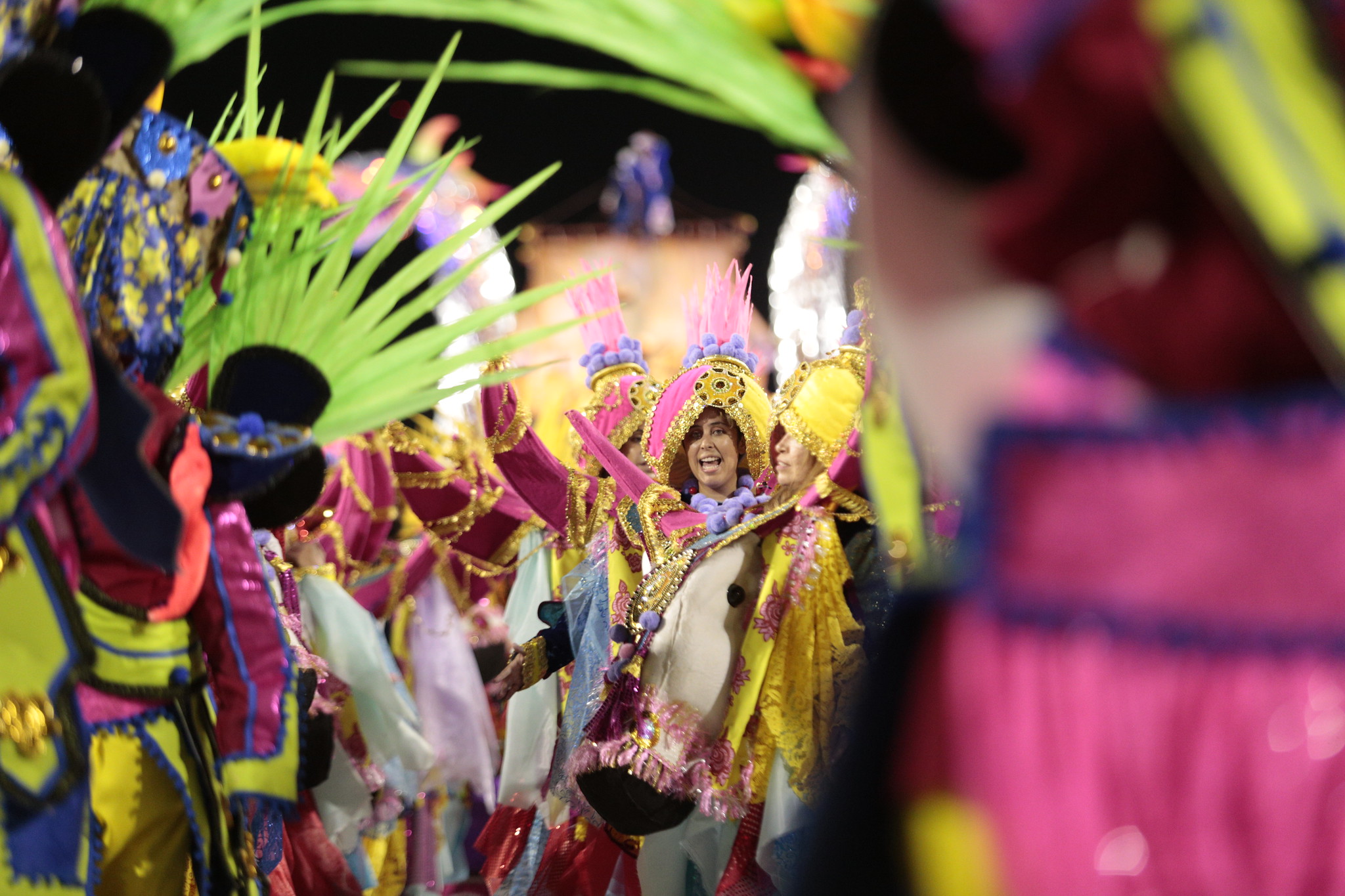
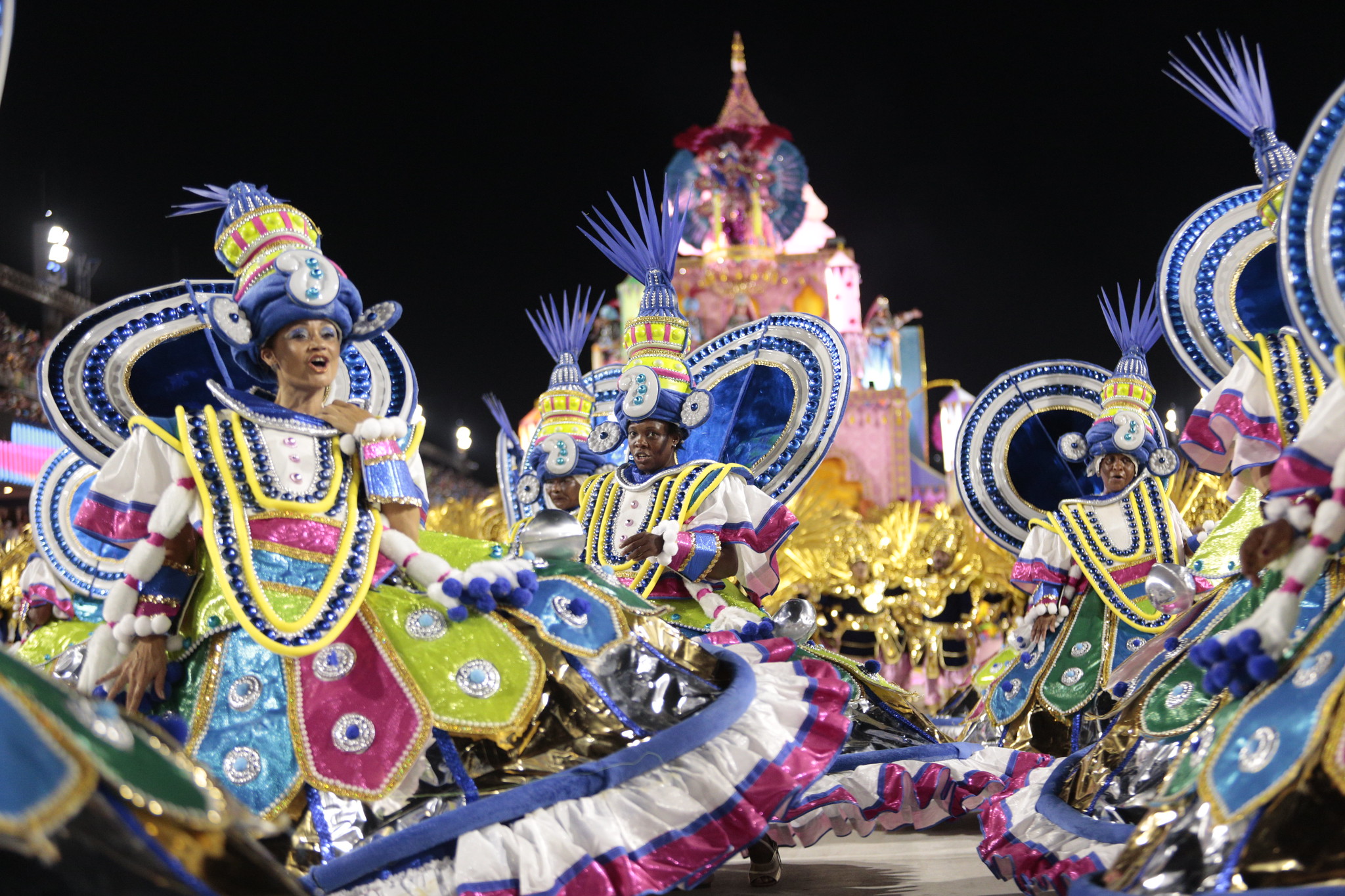
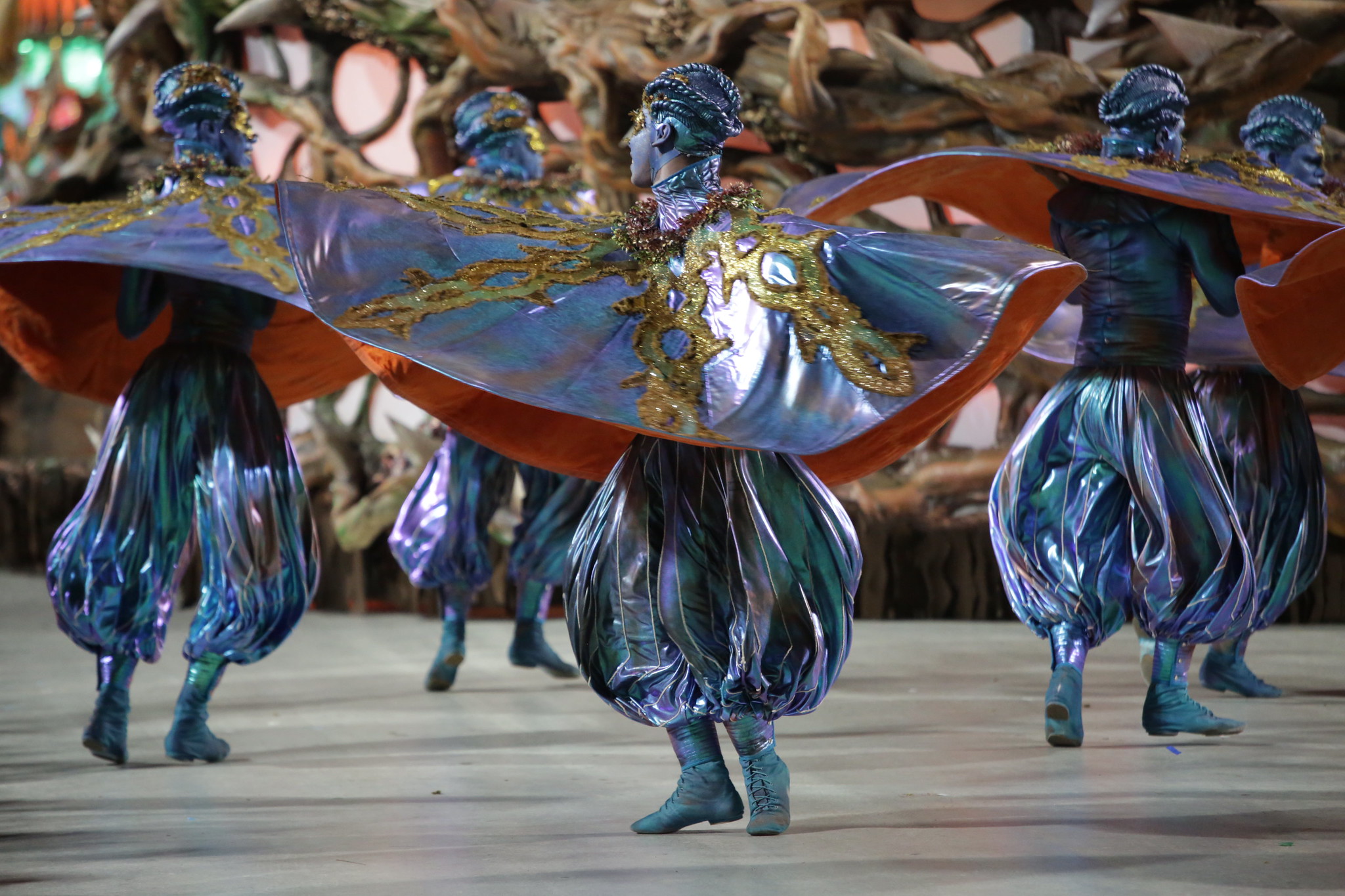
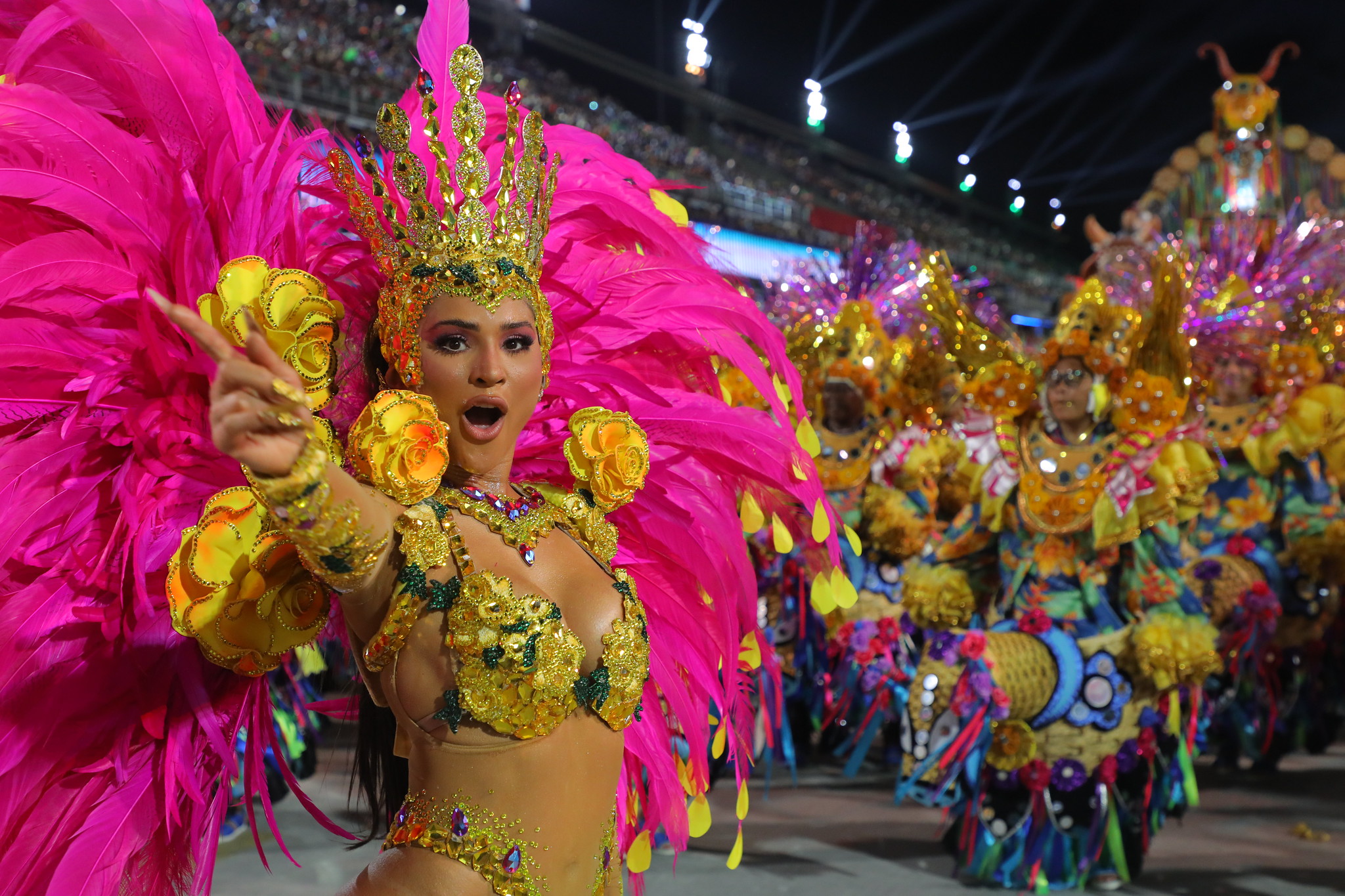
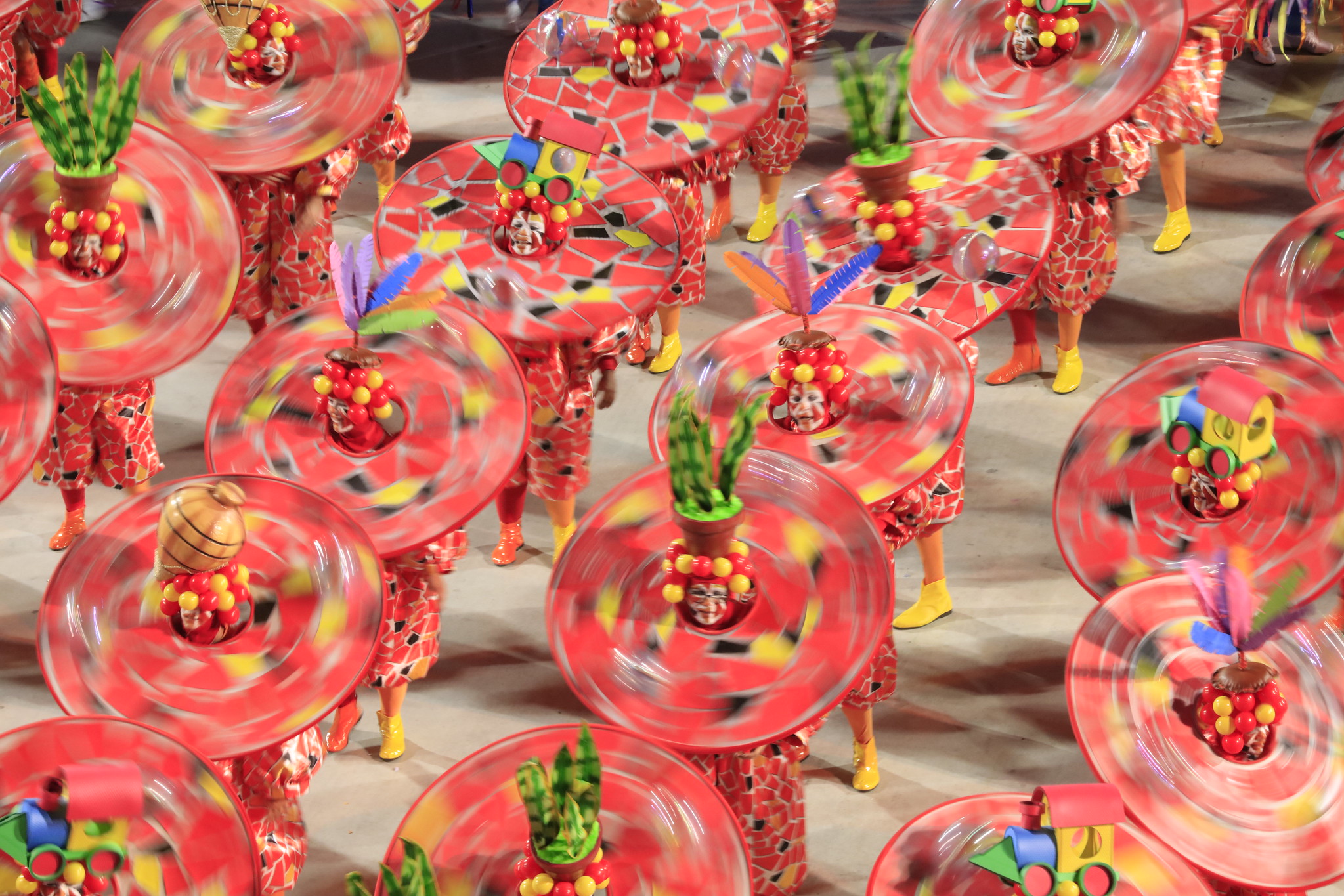
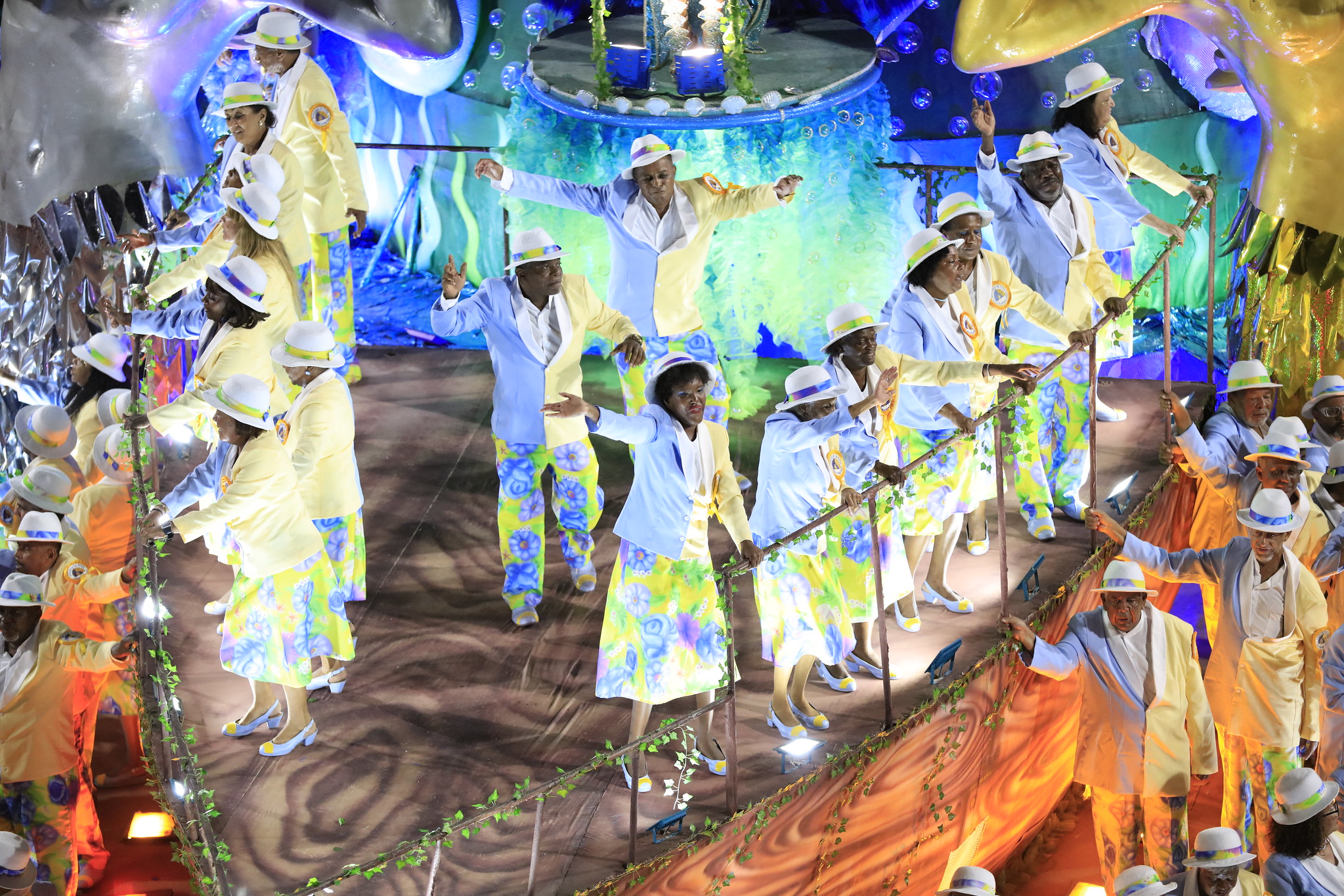
Thanks to the Riotur.Rio team of talented and hard working photographers, a quick and colourful look at the two nights of parades of Rio’s top samba schools, the Grupo Especial, on 11 and 12 February 2024. Dates of the parade of the Grupo Especial in 2025 are 2 and 3 March.


DAY ONE – 11 FEBRUARY 2024

DAY TWO – 12 FEBRUARY 2024

MESTRE-SALAS & PORTA BANDEIRAS (Dance masters and standard-bearers)

Rio’s Carnival Themes – Enredos – for 2024

The main parades of the Grupo Especial in Rio de Janeiro’s carnival take place on the nights of Sunday, 11 February and Monday, 12 February 2024. The 12 schools will parade in the following order and their themes are:


SUNDAY, 11 FEBRUARY

Porta da Pedra

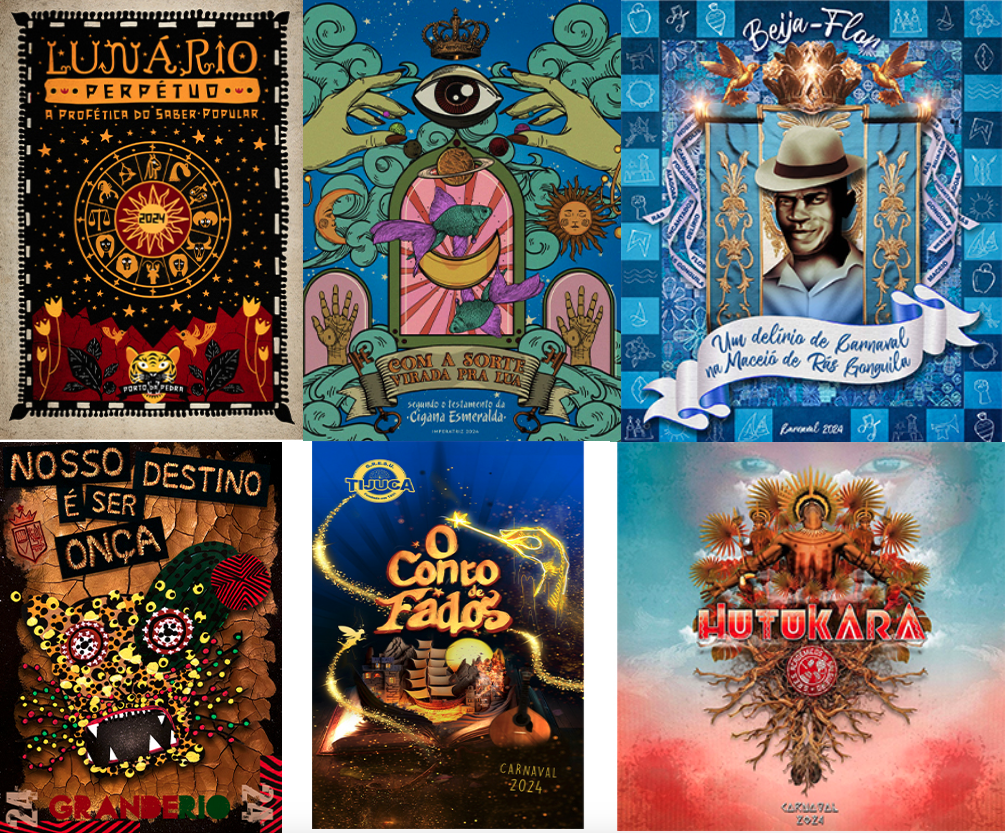
The plot of “Lunário Perpétuo: A Profética do Saber Popular” (Perpetual Lunary: The Prophetics of Popular Knowledge) is based “Lunário Perpétuo”, an almanac that dates back to medieval times, written in the 14th century in Spain by Jerónimo Cortés. The book travelled the world, arriving in Brazil and becoming one of the most widely read books in the Northeast for nearly 200 years.

Beija-Flor

“Um delírio de carnaval na Maceió de Rás Gonguila”” (A Carnival Delirium in the Maceió of Rás Gonguila) pays homage to the city of Maceió through the story of Rás Gonguila, a shoeshine boy and porter who lived in Maceió at the beginning of the 20th century. Passionate about Carnival, he founded Cavaleiro de Montes, one of the main blocos in the Alagoas capital at the time. Gonguila also proclaimed himself a member of the Ethiopian monarchy, became the Ethiopian Prince of Alagoas and an influential person who was consulted by politicians and intellectuals.
Salgueiro

In the Yanomami language, “hutukara” means “the original sky from which the earth was formed”. In 2024 Salgueiro is telling the story of the Yanomami people who occupy the largest Indigenous land area in Brazil with a samba that comes out in defence of Brazil’s indigenous peoples and defends the preservation of the Amazon.

Grande Rio

Guided by the mythical narrative of the book by Alberto Mussa, the plot for “Nosso destino é ser onça” (Our Destiny is to be a Jaguar) is a reflection on the symbolism of the jaguar for the Tupinambá people. Grande Rio promises to explore the jaguar’s link within different manifestations of Brazilian culture and express the strength of Brazil’s native peoples.

Unidos da Tijuca

“O conto de fados” (The Fairy Tale) looks at the history of Portugal through the country’s legends and tales, as well as showing the Portuguese cultural influence on Brazil. Tijuca, has strong links with Portugal, and had Vasco da Gama, a club founded by Portuguese immigrants and their descendants, as its theme in 1998, and the Portuguese language in 2002.

Imperatriz Leopoldinense

The reigning carnival champions close the first night with the storyline “Com a sorte virada pra lua segundo o testamento da cigana Esmeralda” (With Luck Turned to the Moon According to the Will of the Gypsy Esmeralda). The story is fictional and tells the tale of a gypsy who tries to decipher the world of dreams, palm reading, the influence of the stars on everyday life, lucky numbers, dates for good and bad things to happen and other forms of fortune-telling.


MONDAY, 12 FEBRUARY

Mocidade

With the storyline “Pede caju que dou… Pé de caju que dá!” (Ask for a Cashew and I’ll Give You One… I’ll Give You a Cashew!) Mocidade looks at the cashew fruit with its stories, legends and curiosities, and even puns. The idea is to show the “Brazilianness” behind this fruit that was one of the first treasures taken by the colonisers when they arrived in Brazil.

Portela

The storyline of “Um defeito de cor (A Defect of Colour)“, is based on the novel of the same name by writer Ana Maria Gonçalves, and tells the story of the character Kehinde, who is also Luísa Mahin, a formerly enslaved woman of African origin who is believed to have taken part in the organisation of the slave uprisings that shook Bahia in the first decades of the 19th century. The samba depicts the trajectory of this black heroine and shows passages from Afro-Brazilian history to tell of Luísa’s connection with her son, the black abolitionist lawyer Luiz Gama.

Vila Isabel

In 2024 Vila Isabel returns to its 1993 storyline “Gbala – Viagem ao Templo da Criação” (Gbala – Journey to the Temple of Creation). The plot is based on a fictional story from Yoruba culture to show the harm mankind does to the world and to argue the case that children and their purity are the salvation of the planet. The samba was written by the great Martinho da Vila.

Mangueira

The famous “verde e rosa” will pay homage to the great samba singer Alcione with “A negra voz do amanhã” (The Black Voice of Tomorrow). It is the story of the singer from Maranhão, starting from Alcione’s childhood and musical beginnings in São Luís to her connection with Mangueira. It will also reflect Alcione’s contribution to its youth school, Mangueira do Amanhã, of which she is the founder and president of honour.

Paraíso do Tuiuti

“Glória ao Almirante Negro!” (Glory to the Black Admiral!) will use the language of comic books to tell the story of João Cândido, the Brazilian naval rating led the Revolta da Chibata in 1910. Cândido led his peers in the navy in a revolt calling for an end to the mistreatment, malnutrition and physical punishment of sailors, which had already been abolished at the beginning of the Republic, but was still in use.

Viradouro

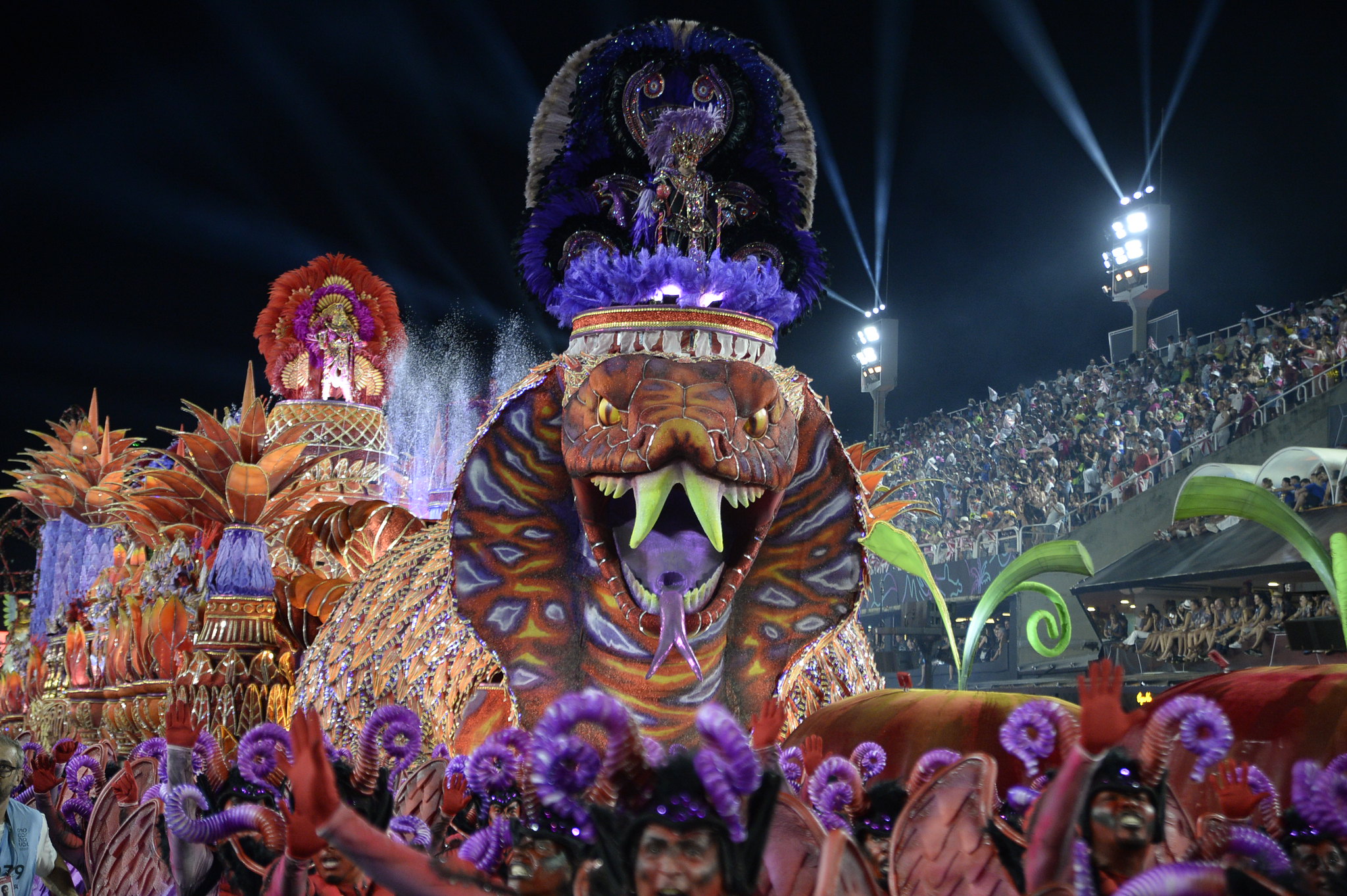
The closing storyline of  “Arroboboi, Dangbé” talks about the energy of the cult of the powerful serpent god of Voodoo mythology, Vodou, the force that manifested itself in epic battles on the West Coast of Africa and influenced the struggles of the all female Mino warriors of the kingdom of Dahomey, a dynasty of women chosen by the python spirit, Dangbé.

Rio’s Carnival parade order in 2024

In 2024 the main parades of the Grupo Especial samba schools during Rio de Janeiro’s carnival are scheduled to take place on the nights of Sunday, 11 February and Monday, 12 February 2024. The 12 schools will parade in the following order:

Sunday, 11 February

  • Porta da Pedra
  • Beija-Flor
  • Salgueiro
  • Grande Rio
  • Unidos da Tijuca
  • Imperatriz Leopoldinense

Monday, 12 February 2024.

  • Mocidade
  • Portela
  • Vila Isabel
  • Mangueira
  • Paraíso do Tuiuti
  • Viradouro  

Porta da Pedra returns to Grupo Especial in 2024

G.R.E.S Unidos do Porto da Pedra has topped Série Ouro, the second league of samba schools, with its samba “A Invenção da Amazônia”. The school will now parade with the elite schools of the Grupo Especial in 2024.

The samba was based around a book by Jules Verne published as “La Jangada” in French in 1881, and “Eight Hundred Leagues of the Amazon” in English.

It was Porto da Pedra and its returning carnavaleso, Mauro Quintaes,  that featured the Great Train Robber Ronnie Biggs in its carnival samba “Samba No Pé e Mãos ao Alto isto é um Assalto” (Samba On Your Feet and Hands Up. This is a Robbery) back in 1998 in Grupo Especial..


And the winner is….

The markings and results of the main samba school parades in Rio will now start at 16.00 on Wednesday, 22 February at the sambodromo (19.00 in UK).

In all, 12 schools from the Grupo Especial and 15 from the Série Ouro will be evaluated in the categories of drums, samba, harmony, evolution, plot, allegories and props, costumes, front commission and mestre-sala and  porta-bandeira (ballroom master and flag bearer).

This year, there will only be four marks per category, and only the lowest note will be discarded – unlike recent years when there were five sets of marks and the highest was also removed. The final classification will be determined by the total sum of the marks and often just one or two percentage points out of 270 can make the difference of winning, losing or being relegated.

Carnival 2023: Day Two of Grupo Especial – Rio’s Top Samba Schools

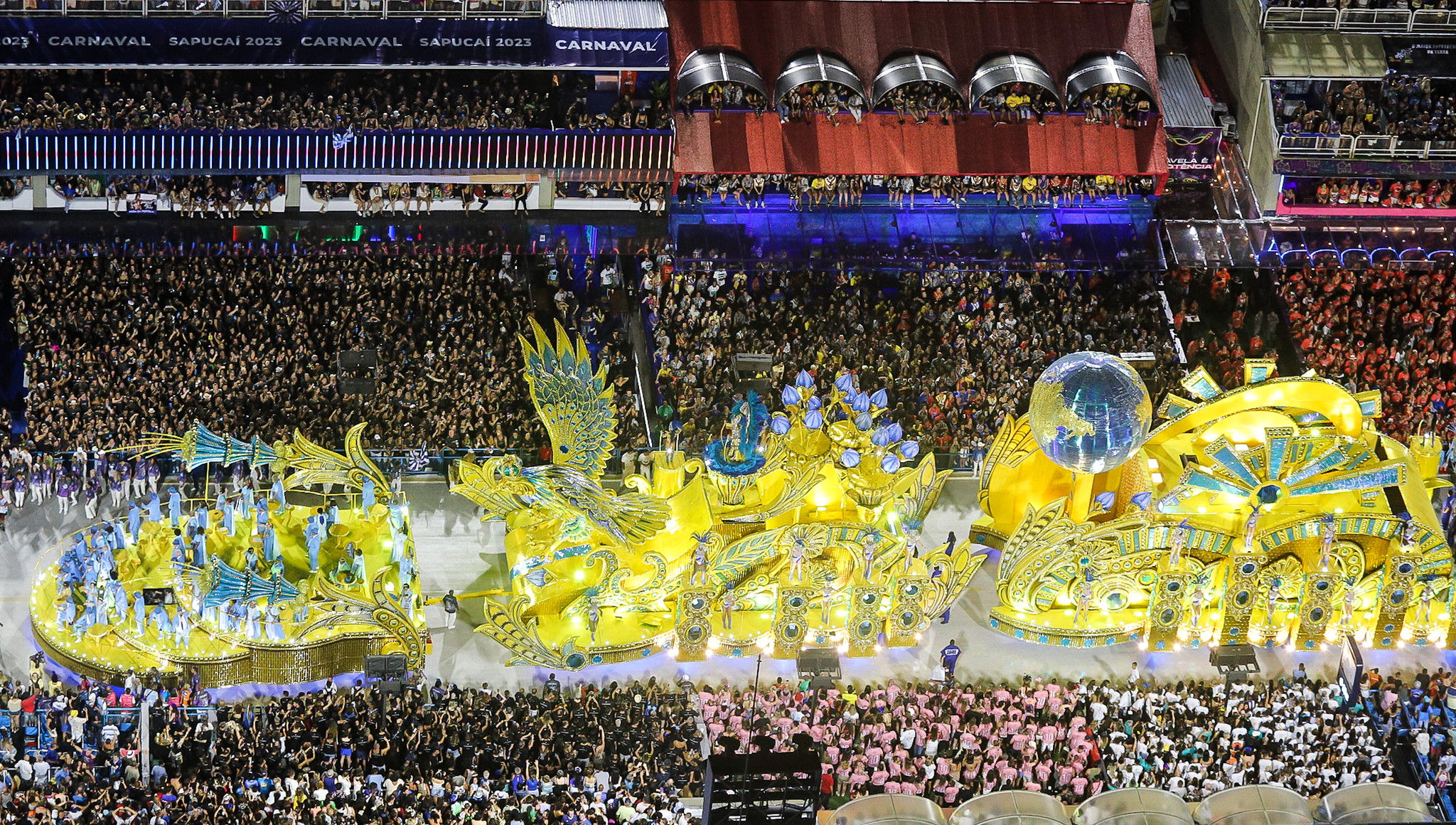
Thanks to the Riotur.Rio team of talented and hard working photographers, a quick and colourful look at the second of the two nights of parades of Rio’s top samba schools, the Grupo Especial. On 20 February it was the turn of Paraíso do Tuiuti, Portela, Vila Isabel, Imperatriz Leopoldinense, Beija-Flor and Viradouro.

The results of the Grupo Especial, which covers Rio’s top twelve samba schools, will be announced in Rio on Wednesday (22 February) starting at 15.00 local time (18.00 in London). The lowest scoring school will be relegated to the Série Ouro for 2024, with the winner of this year’s Série Ouro joining the top 12 in 2024.

Dates of the parade of the Grupo Especial in 2024 are 11 and 12 February.

Carnival 2023: Day One of Grupo Especial – Rio’s Top Samba Schools