1970 FIFA World Cup: Brazil’s Cup

55 years ago the 1970 FIFA World Cup took place in Mexico from 31 May to 21 June.

75 teams tried to qualify for Mexico, but only 16 could take part in four groups of four in the qualifying stage of the finals, with the top two from each group going into the quarterfinals.

It was the first World Cup held outside of South America and Europe; the first to be televised in colour; substitutes were allowed for the first time; and red and yellow cards were introduced, although no player was sent off during the tournament. Brazil was drawn in Group 3 with holders England, Romania and Czechoslovakia.

Wednesday, 3 June 1970, saw four group games at the FIFA World Cup in Mexico including the tournament debut of Brazil against Czechoslovakia. Czechoslovakia scored first, but Brazil went on to win the match 4-1 thanks to goals by Rivelino, Pele and two from Jairzinho.

On Sunday, June 7 1970, one of the greatest games in World Cup history was played in Guadalajara between Brazil and England. Brazil won the game one-nil, Jairzinho scoring. Either side could have won, and it would not have been unfair if it had ended 4-4. Gordon Banks made his famous save from Pele, and made a number of other key saves to keep Brazil out, while Bobby Moore played possibly his greatest game in defence. At the other end Felix proved he had more lives than many cats, while it was Brazil’s captain, Carlos Alberto, who had to do a lot of the tidying up. The result meant both team were favourites to progress from Group 3.

The third and final round of the group stage of the World Cup took place on Wednesday, 10 June. Brazil defeated Romania three-two to guarantee its place in the quarter finals and top its group. Pele scored twice for Brazil and, of course, Jairzinho netted one.
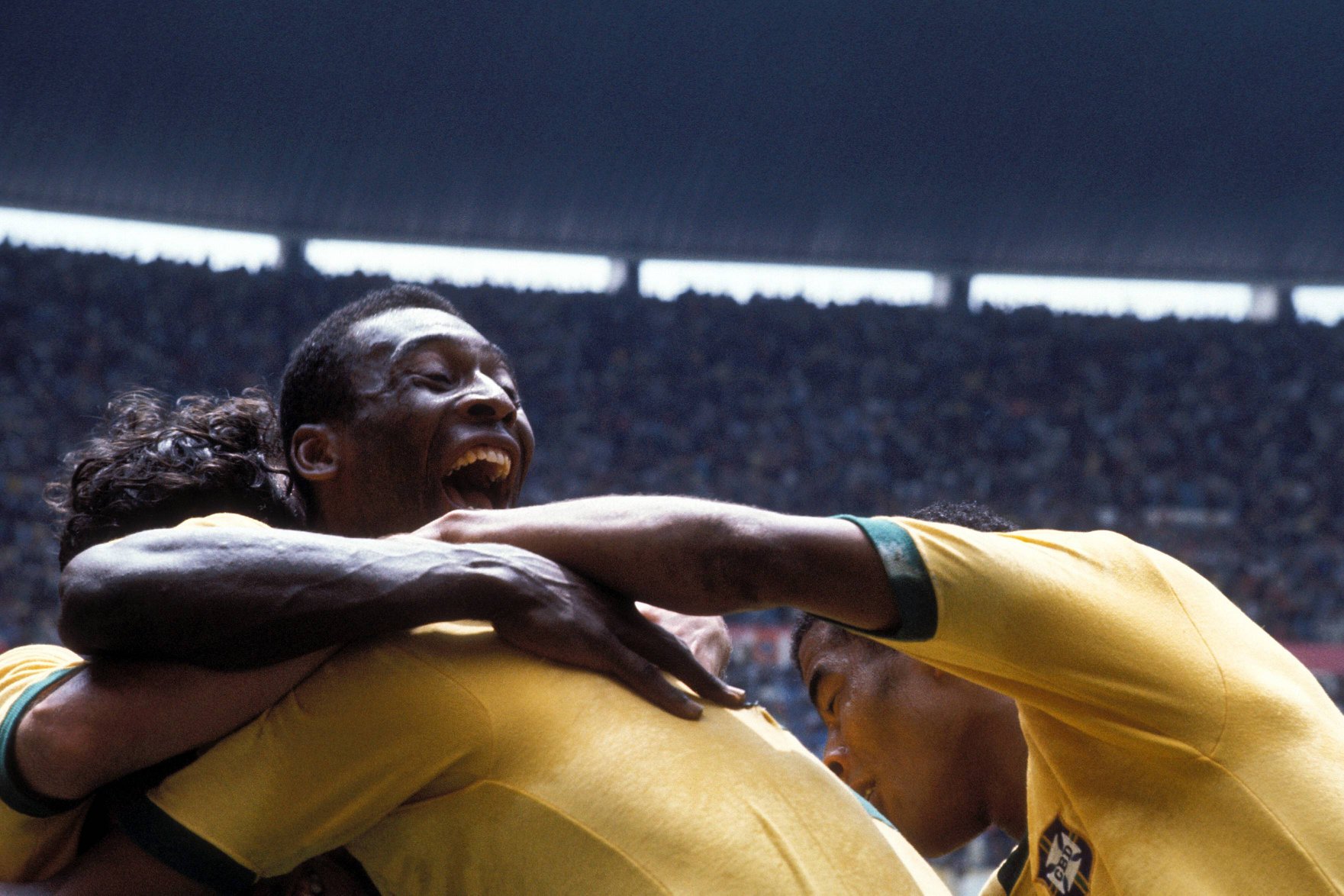
On Sunday, 14 June 1970, all four quarter final matches of the 1970 FIFA World Cup were played. Producing some classic games, West Germany, the only unbeaten side in the tournament along with Brazil, beat the holders, England, three-two after extra time in a rematch of the 1966 final. The hosts, Mexico, were beaten 4-1 by an Italian side coming into form, while it took Uruguay to the 117th minute and extra time to score the one goal that sent the Soviet Union home. The fourth quarter final saw Brazil beat fellow South Americans, Peru, four-two thanks to goals by Rivellino, Jairzinho, and two from Tostao.

The two semi-finals were played on Wednesday, 17 June, with Brazil facing Uruguay in and all South American semi-final while the other was an all European affair with Italy taking on West Germany. All the semi-finalists were past winners of the World Cup, Brazil, Italy and Uruguay having won it twice, and West Germany once. The only other country to win the World Cup was England. Brazil overcame Uruguay three-one, Uruguay scored first before goals from Clodoaldo, Jairzinho and Rivelino saw Brazil safely through to its fourth final.

The second semi-final is considered a World Cup classic with Italy finally overcoming West Germany four-three after extra time. Full time had ended one-one with Germany scoring in the final minute of normal time, before five goals were scored in extra time. Germany would beat Uruguay one-nil in the third place play off.

The final on Sunday 21 June in front of 107,412 fans at the Azteca Stadium in Mexico City saw two-time champions Brazil and Italy playing, the winner knowing they would get to keep the Jules Rimet trophy as three time winners.

Brazil scored first through Pele, before Italy equalised to end the first half at one-one, but the second half was all Brazil in an exhilarating exhibition of attacking football. Gerson put Brazil ahead in the 21st minute, with Jairzinho scoring in the 26th minute to be the only player to score in every round and match of a World Cup. The icing on the cake was the final goal scored by the Brazilian captain, Carlos Alberto, after nearly every Brazilian player had touched the ball as they took it from deep in their half to score. The goal is generally considered the best scored in World Cup history and for many that Brazilian team is considered the greatest team ever.

Brazil has gone on to win the World Cup twice more in 1994 and 2002, and was the losing finalist in 1998. It has also hosted the World Cup final in1950 and more recently in 2014.

IATA AGM Heads to Rio in 2026

The International Air Transport Association (IATA), that represents some 350 airlines comprising over 80% of global air traffic, has confirmed that its 82nd AGM will be held in Rio de Janeiro from 6 to 8 June 2026 hosted by LATAM Airlines Group.

The last time the IATA AGM was in South America was in 1999, also in Rio, and before that for Brazil was 1947 when it was held in Petropolis.

Willie Walsh, IATA’s Director General, said: “It will be a great opportunity to take stock of changes over two decades of development that have seen strengthening air connectivity successfully support major world events like the FIFA World Cup and the Olympics. By meeting in the largest aviation market in South America, the AGM will highlight the great potential for aviation to be an even more powerful strategic force driving social and economic prosperity.”

Appropriately Rio reflects Brazil’s rich history in aviation, dating back to the pioneering efforts of Alberto Santos-Dumont, one of the fathers of aviation, whose historic flight in 1906 marked a significant milestone in the development of powered flight.

Lady Gaga Brings “Mayhem” to Copacabana Beach

Rio de Janeiro has once again shown that it is more than capable of dealing with a little “Mayhem” as Copacabana Beach played host to Lady Gaga tour of the same name and an estimated crowd of  2.1 million of her fan on Saturday 3 May). That is roughly the crowd size of 25-shows at London’s Wembley Stadium.

Some impressive logistics to handle the shoew and crowd size, but the city has had a bit of practice over the years including Madonna (2024), The Rolling Stones (2006) and even the late Pope Francis who held a mass on the beach in 2013 during his first overseas trip. The crowd then was estimated to be close to 4 million.  And, of course, New Year on Copacabana Beach brings in a crowd of 3 to 4 million each year.

Carnival Parade Order in 2026

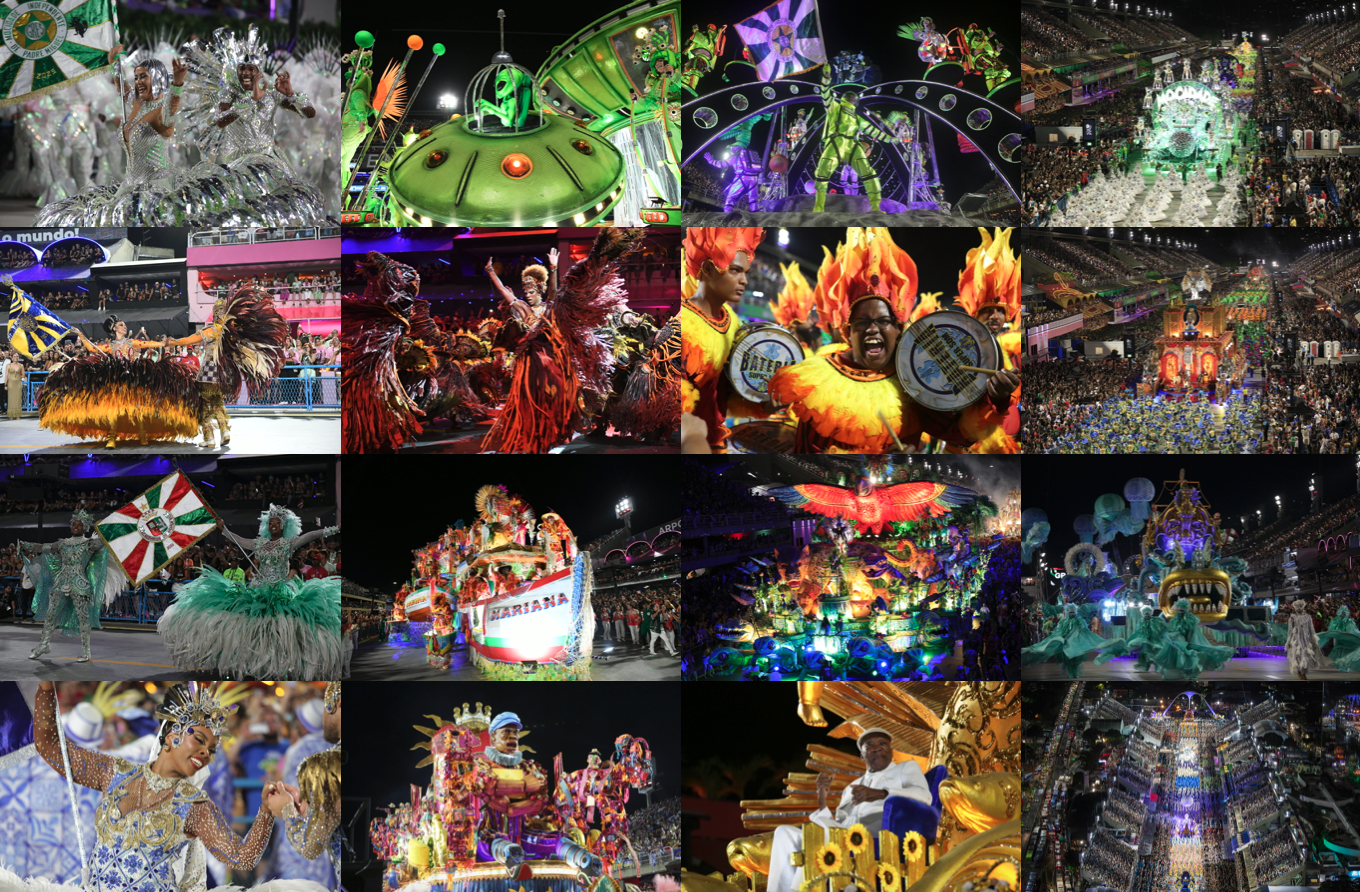
In 2026 the main parades of the Grupo Especial in Rio de Janeiro’s carnival are scheduled to take place on the nights of Sunday, 15 February; Monday, 16 February; and Tuesday, 17 February. After its introduction and success in 2025, the 12 schools will again parade over three nights. The order for the parades was decided on 12 April 2025 and will be:

Sunday, 15 February 2026

  • Acadêmicos de Niterói
  • Imperatriz Leopoldinense
  • Portela
  • Estação Primeira de Mangueira

Monday, 16 February 2026

  • Mocidade Independente de Padre Miguel
  • Beija-Flor de Nilópolis
  • Unidos do Viradouro
  • Unidos da Tijuca

Tuesday, 17 February 2026

  • Paraíso do Tuiuti
  • Unidos de Vila Isabel
  • Acadêmicos do Grande Rio
  • Acadêmicos do Salgueiro

Record numbers for Rio: The Guide

The Insider’s Guide to Rio, since 2014 in the form of www.riotheguide.com, continues to inform readers about travelling to-and-visiting Rio de Janeiro and Brazil, with a lot of people using it to learn about Rio’s carnival.

Despite zero support from any tourist board in Brazil, the independent site continues to grow with a record 37,500 views in 2024. The site, as of 10 March, has been viewed 11,000 times so far in 2025, with over 4,000 of these visitors using it to get their information about Rio’s recent carnival.

Thank you for being one of the growing number of readers of Rio: The Guide.

Acadêmicos de Niterói promoted to the Grupo Especial in 2026

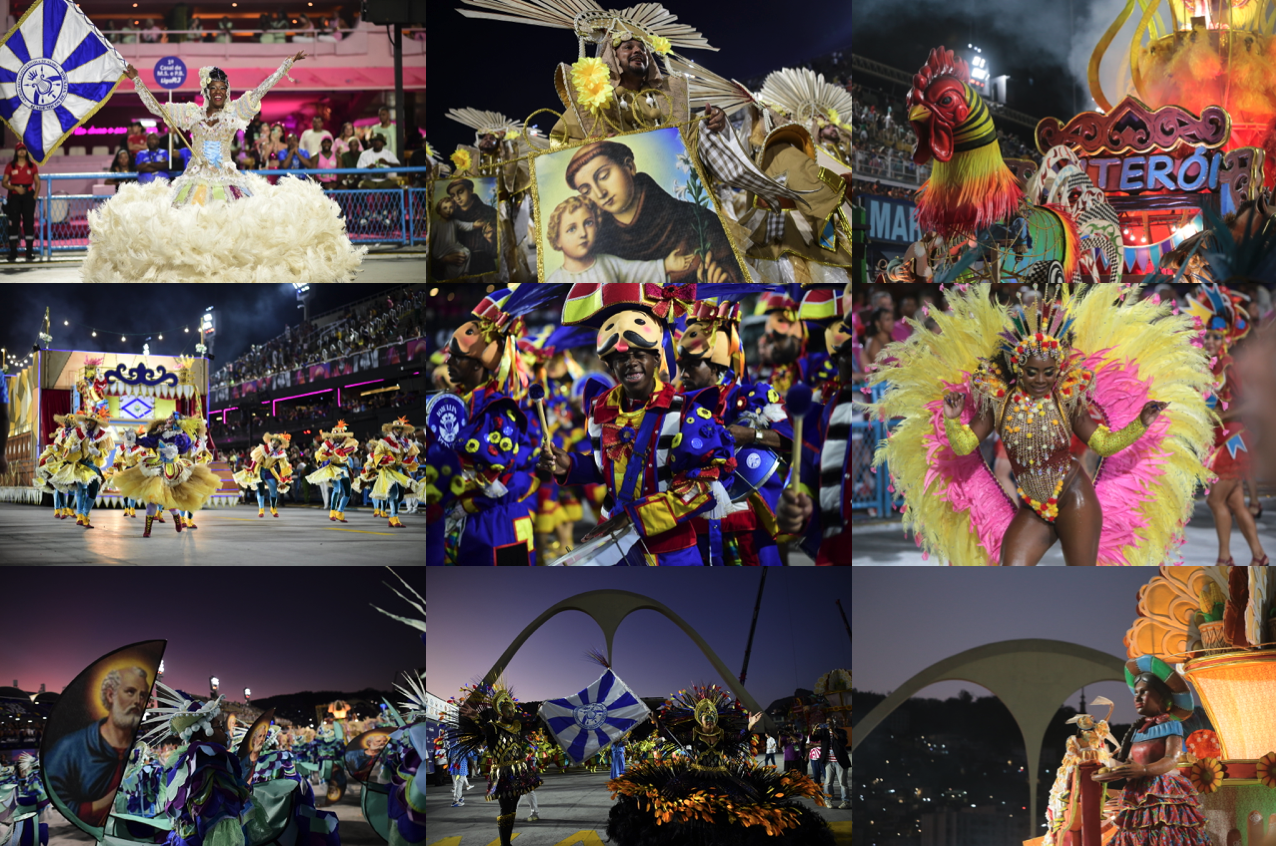
Acadêmicos de Niterói, which won Série Ouro, is promoted to the Grupo Especial in 2026 after bringing an off-season festa junina to Rio.

With the storyline ‘Vixe Maria’, the school took us to Maracanaú in Ceará, for a story about one of the biggest São João festivals in the world.

Acadêmicos de Niterói scored to 269.5, keeping it just ahead of Estácio de Sá with 269.3 and Porto da Pedra with 269.1. It will be the first time the school has paraded in the elite Grupo Especial of twelve, becoming the 32nd different school to do so. Like Viradouro it is located in Niterói.

Relegated from Grupo Especial to Série Ouro is Unidos de Padre Miguel.

Beija-Flor: Rio Carnival Champions 2025

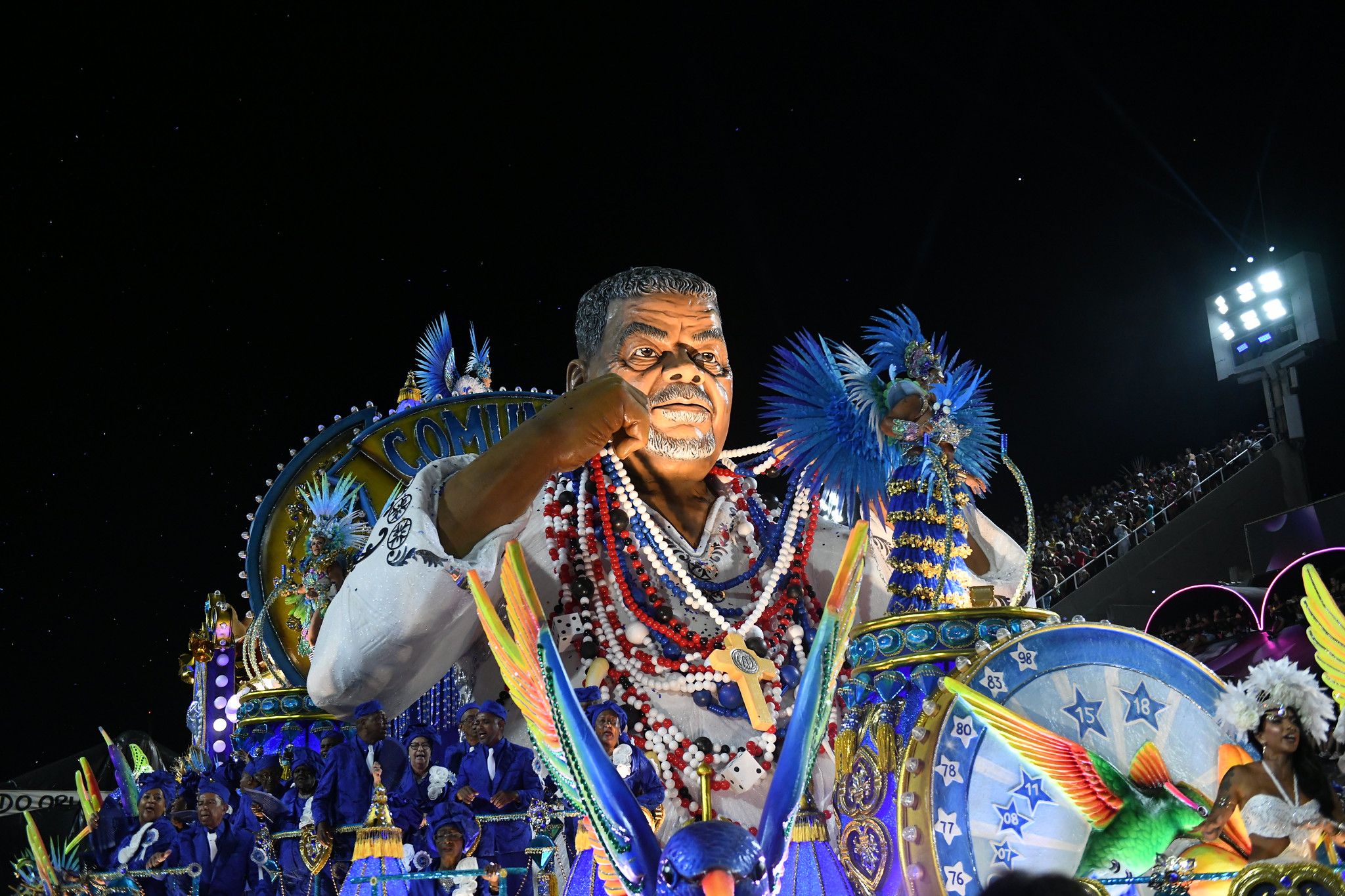
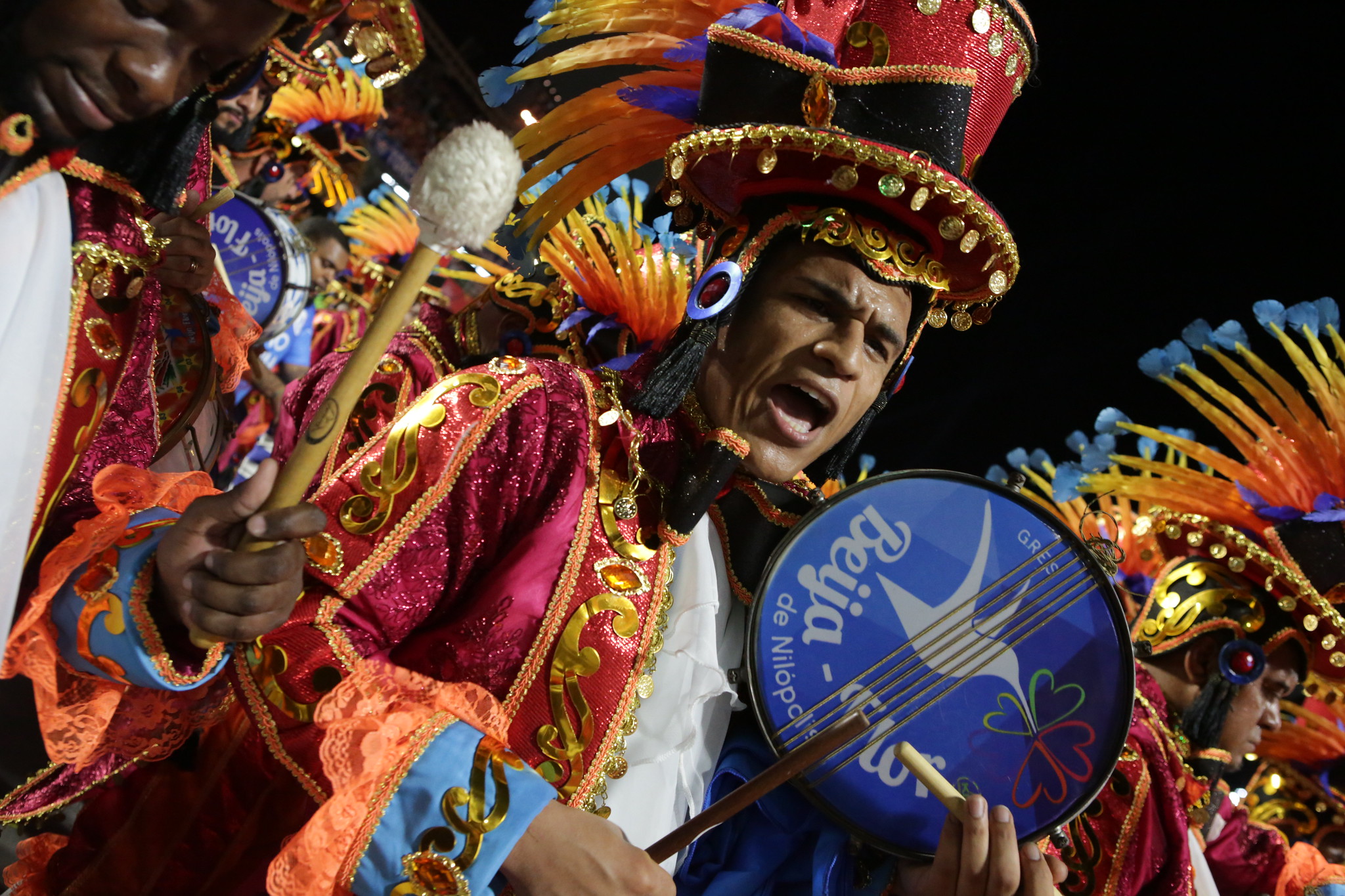
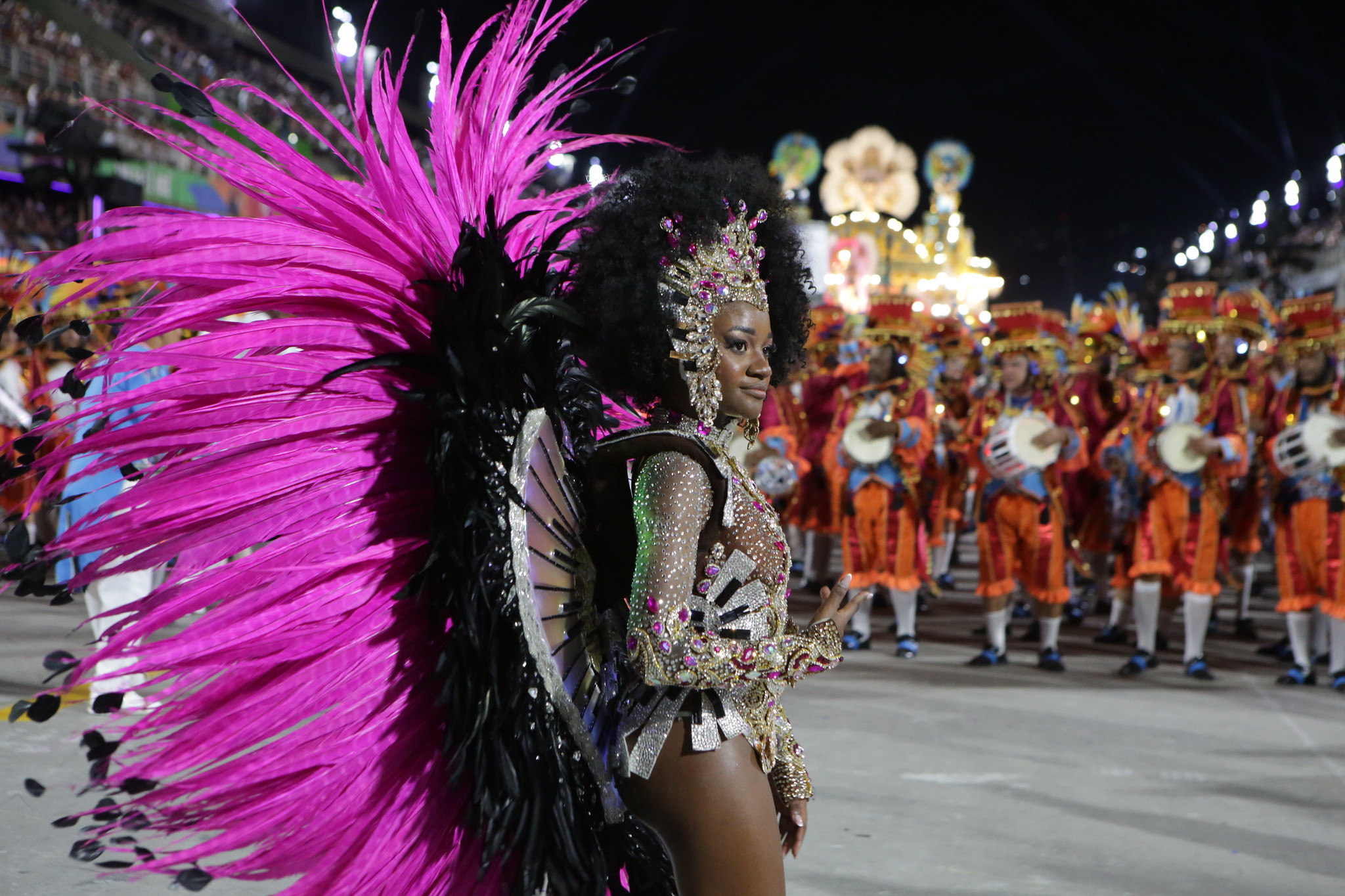
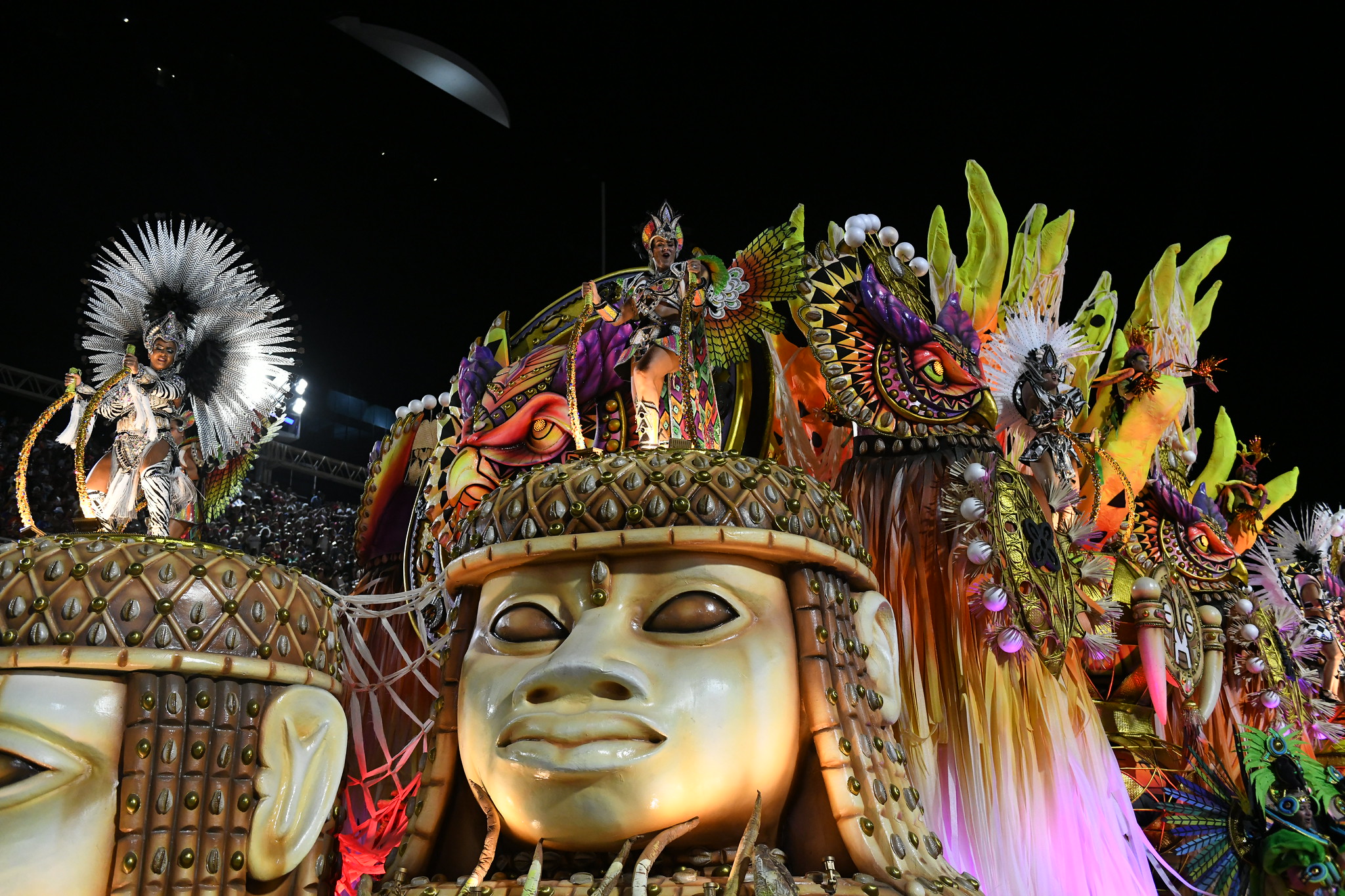
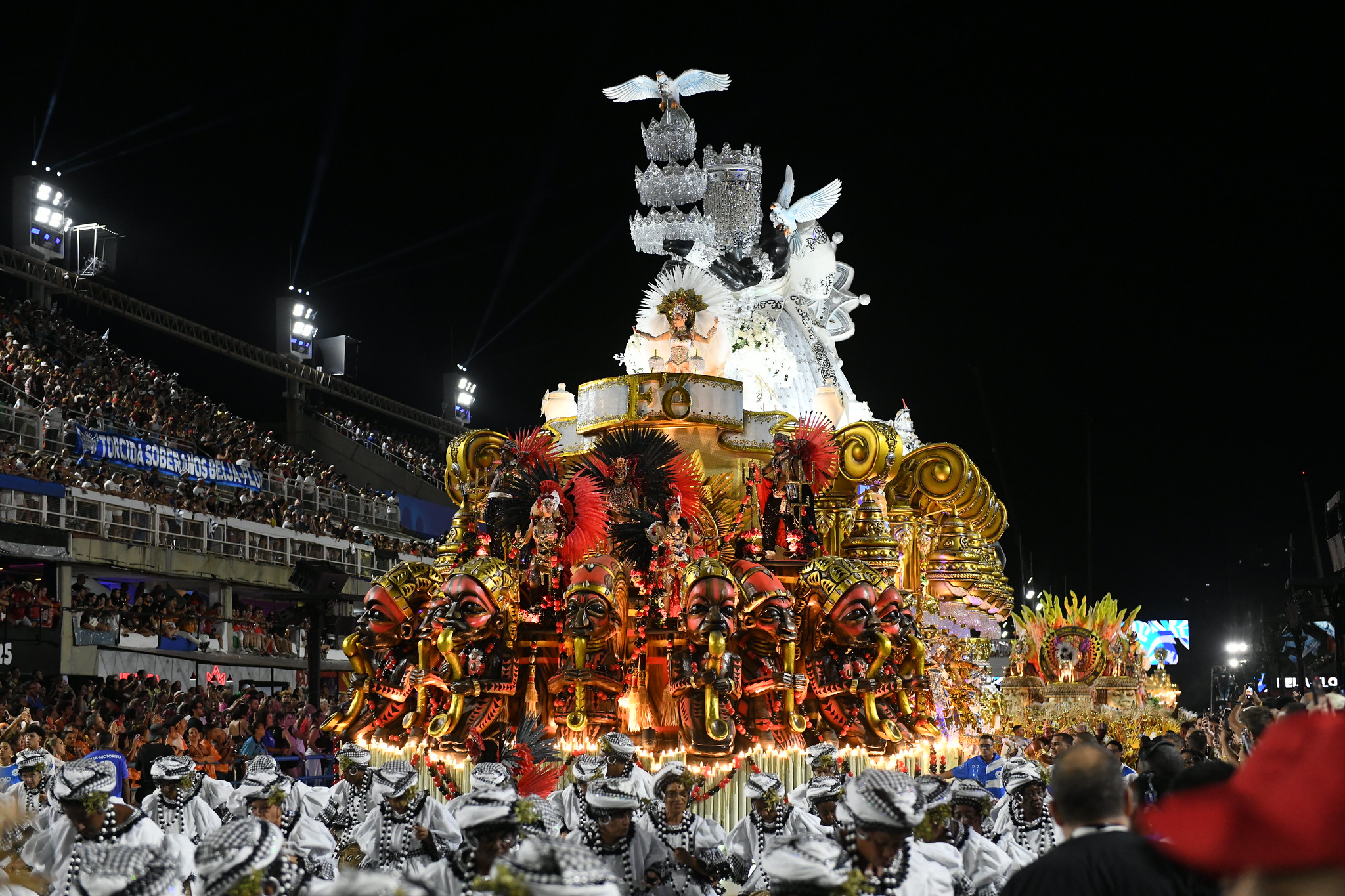
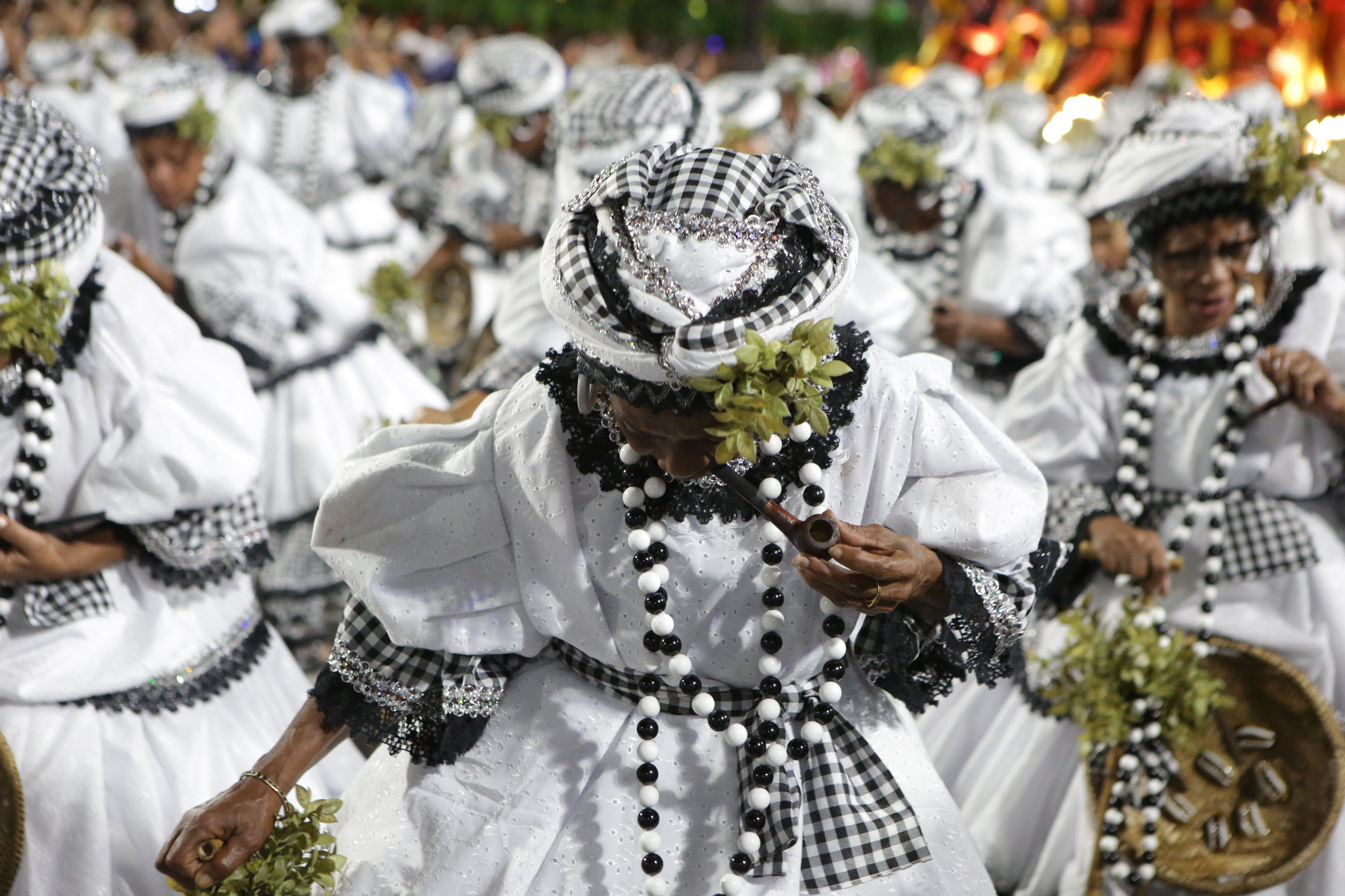
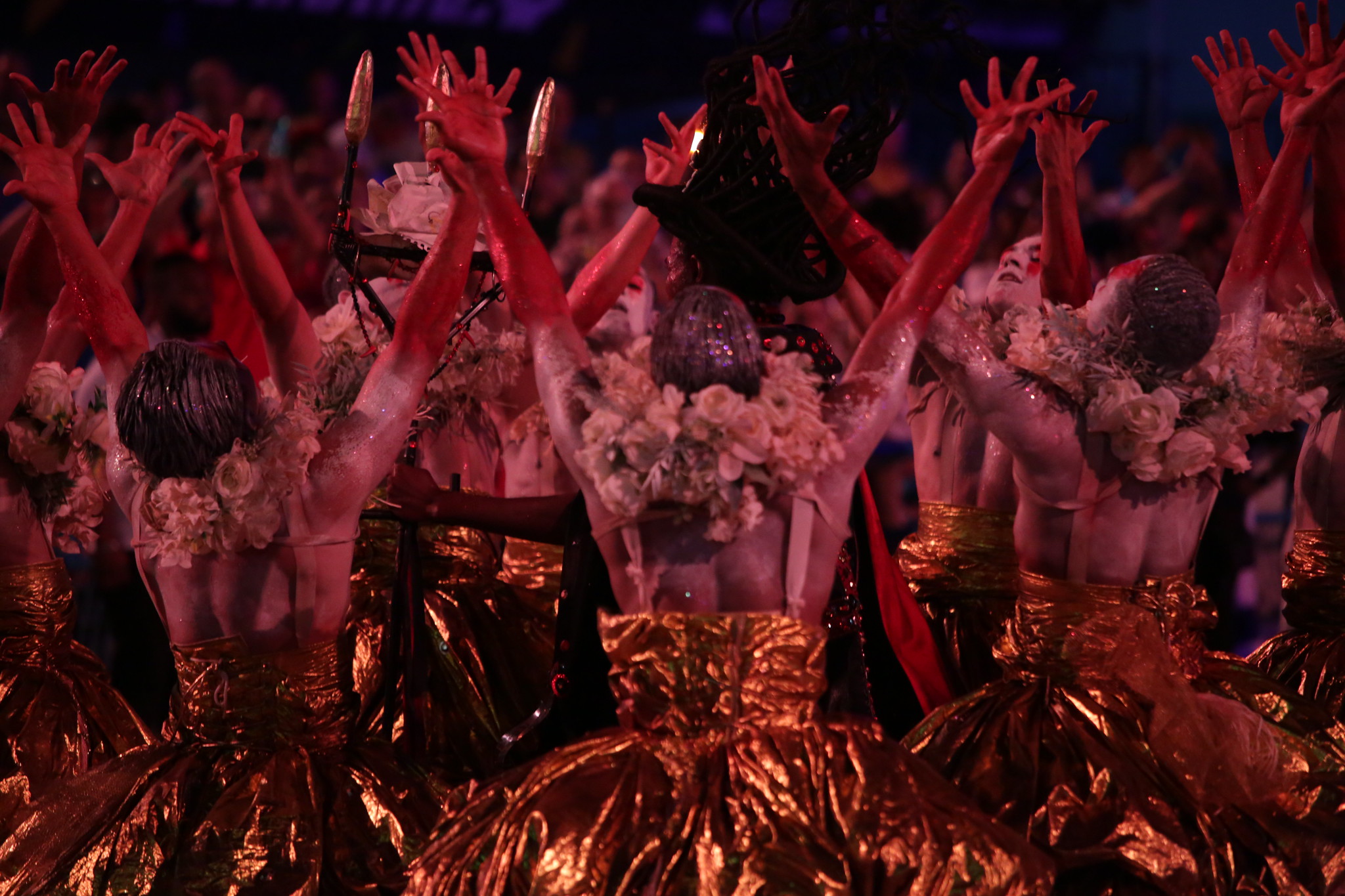
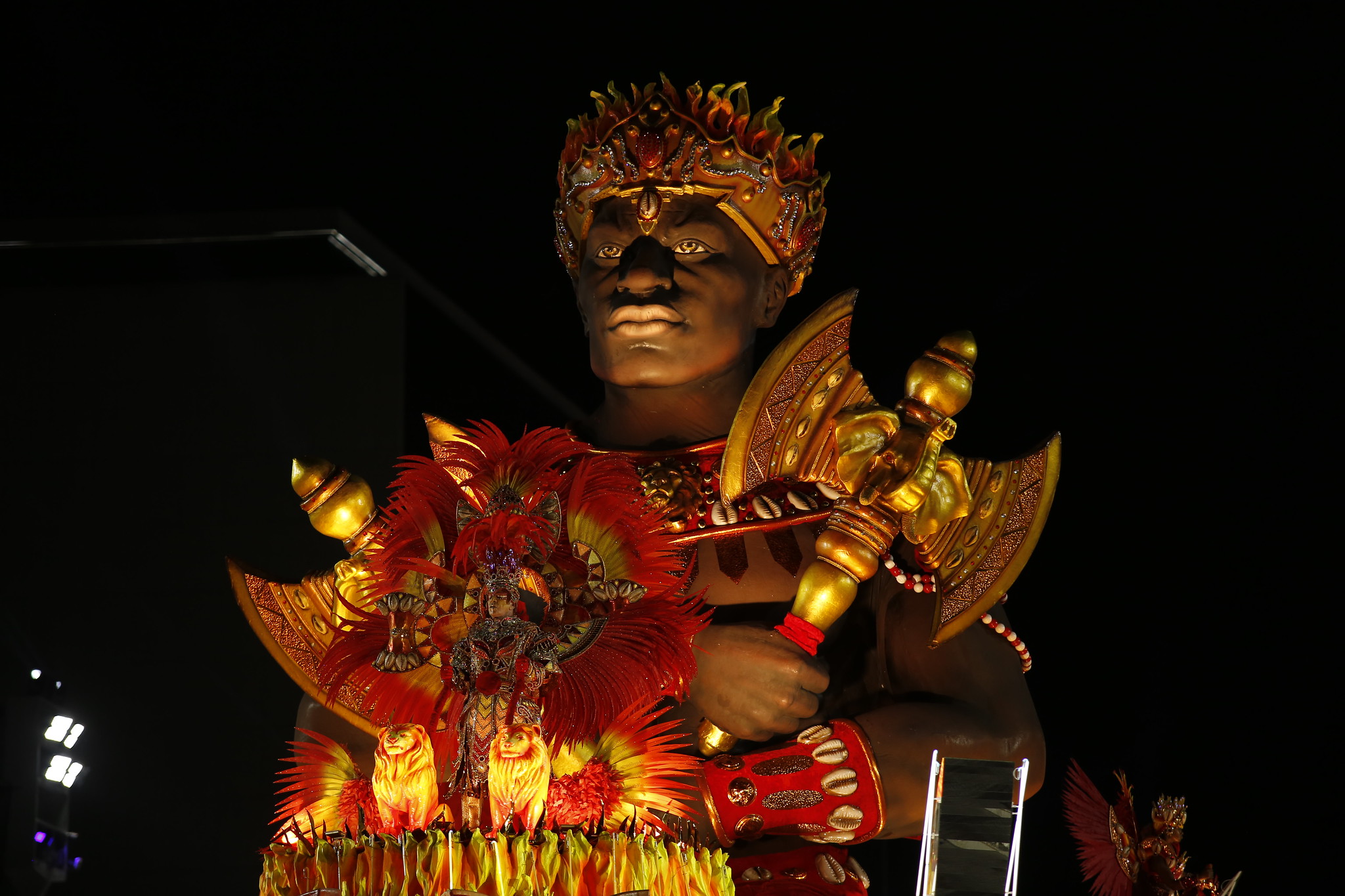
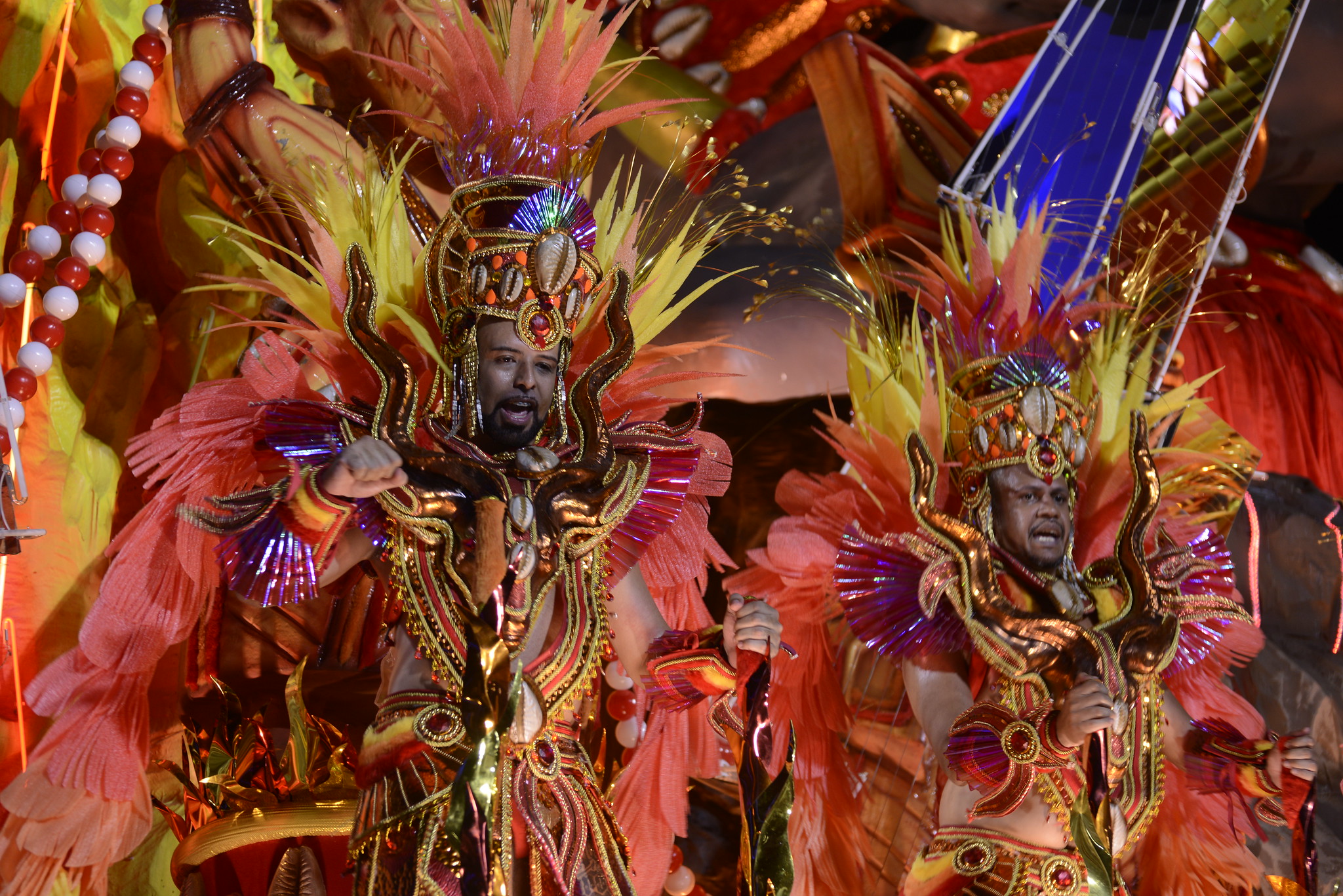
Beija-Flor – caught by the team of RioTur photographers – scored a perfect 270 points to wins its 15th Rio carnival title, and its first since 2018, with the samba ‘Laíla de Todos os Santos, Laíla de todos os sambas’, that celebrated its late carnival director, Luiz Fernando Ribeiro do Carmo, Laíla, who died in June 2021 from complications of Covid-19.

Laíla was responsible for a sequence of the school’s carnival championships between 1998 and 2018, winning in 1998, 2003, 2004, 2005, 2007, 2008, 2011, 2015 and 2018.

Running Beija-Flor close were Grande Rio in second with 269.9 points and Imperatriz, winner of Globo’s Estandarte de Ouro, with 269.8 points. The relegated school is Unidos de Padre Miguel with 266.8 points.