Rio’s best restaurants in 2014

4225014507_d83849c1f8_zWeekly news magazine, Veja, has published its annual list of the best restaurants and bars in Rio de Janiero. The choice is made both by a specially chosen jury of experts as well as the votes of the readers of Veja Rio.

Here is Veja’s selection with the official jury choice listed first, and the public’s choice second. You will note they do not always agree!


RESTAURANTS

Asian: Mee / Sawasdee Bistrô

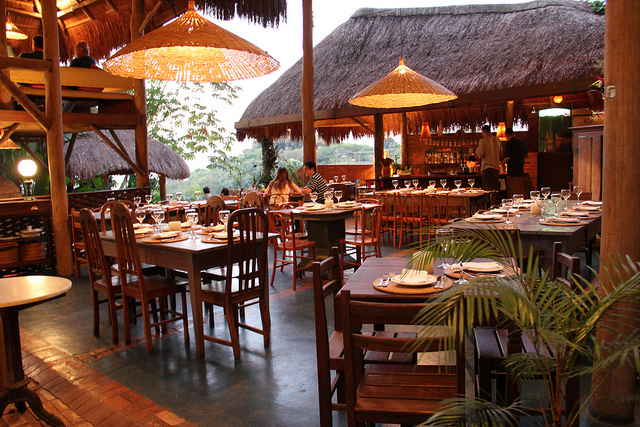
6922686268_6296c56fba_zBrazilian: Roberta Sudbrack / Aprazível (photo)

Buffet: Celeiro / Ráscal

Cheap and Cheerful: Botequim / Gutessen Café e Restaurante

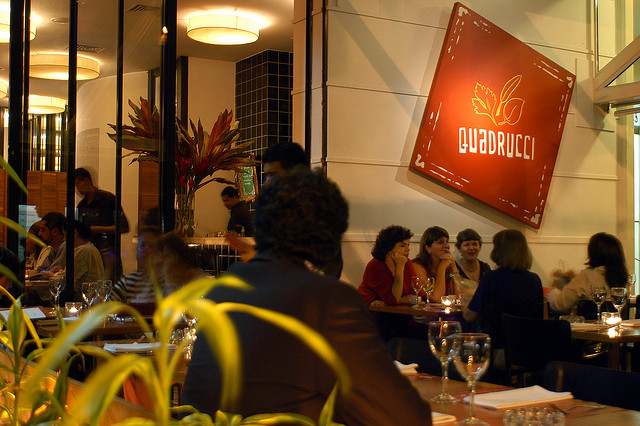
Contemporary: Laguiole / Quadrucci

Dessert: Oro / Demi-glace

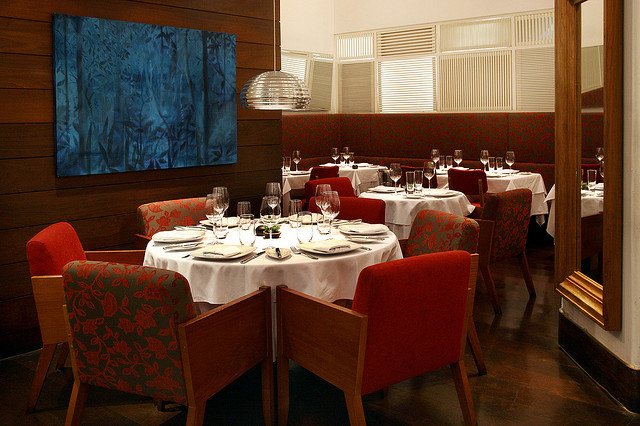
4187733709_0fc4bc2874_zFrench: Olympe (photo) / CT Brasserie

Italian: Gero / CT Trattorie

Japanese: Sushi Leblon / Manekineko

Meat: Giuseppe Grill / Outback Steakhouse

Meat – Barbecue Rodízio: Fogo de Chão / Fogo de Chão

Pizza: Capricciosa / Bráz

Seadfood: Satyricon / Satyricon

Special set Menu: Irajá / Irajá

Also voted for were:

Chef of the Year: Pedro de Artagão (Irajá) / Claude Troisgros (Olympe, CT Boucherie, CT Trattorie, CT Brassserie)

Upcoming Chef: Rafael Costa e Silva, (Lasai) / Fred Barroso (Le Vin Bistrô)

Restaurateur of the Year: Marcelo Torres (Best Fork) / Claude Troisgros (Grupo Troisgros)

Cecília Aldaz, of Oro was voted sommelier of the year; Aprazível had the best wine list; Bazzar was elected best wine bar; and the best wine store was Mistral.


BARS

Balcony / Stand Up: Adega Pérola / Adega Pérola

9733863166_4e12718102_zBeer / Chope: Botto Bar / Botto Bar (photo)

Beer List: Delirium / Aconchego Carioca

“Bolinhos”: Aconchego Carioca / Aconchego Carioca

Boteco: Momo / Aconchego Carioca

Drinks List: Paris Bar / Complex Esquina 111

Food: Cachambeer / Adelos

Gastrobar: Pipo / Complex Esquina 111

For couples: Bar Veloso /Complex Esquina 111

Music: Godofredo Rio / Botto Bar

View: Bar do Alto / Bar Urca (photo)

9135567445_3b648a6a03_z


FOOD

Bread: La Bicyclette / Boulangerie Guerin

Breakfast: Empório Jardim / Empório Jardim

“Brigadeiro” (sweets): Fabiana D’Angelo / Colher de Pau

Cake: Café Sorelle / The Bakers

Chocolate: Q / Kopenhagen

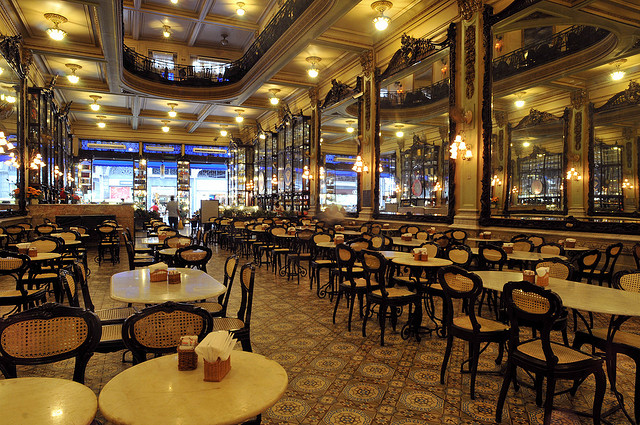
4189567301_7187531f2b_z“Coxinha” (croquettes): Da Gema / Confeitaria Colombo (photo)

Éclair: Guerin / Kurt

Hamburger: Comuna / Reserva T.T. Burger

Ice Cream: Vero / Venchi

Juices: Jaeé / BB Lanches


Brazil picks “The Way He Looks” for the 87th Oscars

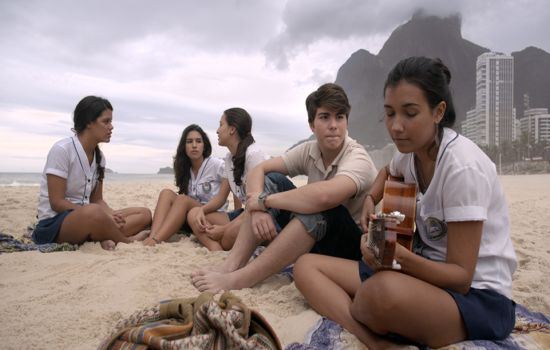
A046_C002_0101D2Daniel Ribeiro’s Hojé eu Quero Voltar Sozinho (The Way He Looks) has been chosen to represent Brazil in the Foreign Language Film category at the 87th Academy Award. The film, which won the Teddy Award and FIPRESCI prize at the 2014 Berlin Film Festival, tackles LGBT issues.

Set against the music of Belle and Sebastian, Ribeiro’s coming of age tale is a fun and tender story about friendship and the complications of young love. Leo is a blind teenager who is fed up with his overprotective mother and the bullies at school. Looking to assert his independence, he decides to study abroad to the dismay of his best friend, Giovana. When Gabriel, the new kid in town, teams with Leo on a school project, new feelings blossom in him that make him reconsider his plans. Meanwhile, Giovana, grows jealous of this new found companionship as tensions mount between her and Leo.

A record 83 countries have submitted films for consideration in the Foreign Language Film category for the 87th Academy Awards. The nominations will be announced 15 January 2015 in Los Angeles.The other Latin American submissions are:

Argentina, “Wild Tales,” Damián Szifrón, director;
Bolivia, “Forgotten,” Carlos Bolado, director;
Brazil, “The Way He Looks,” Daniel Ribeiro, director;
Chile, “To Kill a Man,” Alejandro Fernández Almendras, director;
Colombia, “Mateo,” María Gamboa, director;
Costa Rica, “Red Princesses,” Laura Astorga Carrera, director;
Cuba, “Conducta,” Ernesto Daranas Serrano, director;
Dominican Republic, “Cristo Rey,” Leticia Tonos, director;
Ecuador, “Silence in Dreamland,” Tito Molina, director;
Mexico, “Cantinflas,” Sebastián del Amo, director;
Panama, “Invasion,” Abner Benaim, director;
Peru, “The Gospel of the Flesh,” Eduardo Mendoza, director;
Uruguay, “Mr. Kaplan,” Álvaro Brechner, director;
Venezuela, “The Liberator,” Alberto Arvelo, director.

the-way-he-looks

Veterans and new faces shine in competition at Festival do Rio 2014

IMG_1813Latin America’s biggest annual celebration of cinema closed on Wednesday 8 October by handing out its traditional Première Brasil ‘Redentor’ trophies, which highlight new work by home grown filmmakers, as well as recognising filmmakers in other categories.

The Premiere Brazil awards were dominated in the fiction category by Pernambuco director Lírio Ferreira’s (photo) drama Sangue Azul (Blue Blood) that offers a parallel between cinema and circus and speaks of the sea, art and love. The film took home three prizes including Best Feature, Best Director and Best Supporting Actor for Rômulo Braga.

Director Ferreira is something of a Festival do Rio veteran having screened previously Árido Mo-vie, Cartola – Música para os olhos and O homem que engarrafava nuvens.

In the feature length documentary competition line up, diretor Theresa Jessouroun’s (photo) À Queima Roupa (Point Blank) which delves into police violence and corruption in the city of Rio over the past twenty years, also picked up the top two prizes in its category, scooping both the Best Film and the festivals new Best Director award for documentaries.

IMG_1817There were double wins for Chico Teixeira’s coming-of-age drama Ausência (Absence), which won the Best Actor Award for the child actor Matheus Fagundes, and also received the Special Jury Prize, as well as for Sao Paulo diretor Gregorio Graziosi’s Obra that ended the night with awards for Best Cinematography for DOP André Brandão as well as receiving the FIPRESCI  prize as the best Latin American film at the festival.

Other prizes given out on the night saw relative newcomer Bianca Joy Porte receive the Best Actress award for her role in director Daniel Aragão’s father and daughter relationship drama Prometo um dia deixar essa cidade (I Swear I’ll Leave This Town), and the Best Supporting Actress award go to Fernanda Rocha for her part in Iberê Carvalho’s O Último Cine Drive-In.

Other special awards saw well-known actor Othon Bastos receive an award for his body of work, while earlier in the festival Mexican director and screenwriter Guillermo Arrriaga had been presented with the FIPRESCI Latin American Personality of the Year award.

Prizes in the Première Brasil Novos Rumos (New Trends) section were presented to Castanha by Davi Pretto for Best Film, while the Best Short award went to O Bom Comportamento (The Good Behaviour) by Eva Randolph. Director Alfeu França received the Special Jury Prize for his 30-minute short A Deusa Branca (The White Goddess).

Of the winning features, six received their world premieres at Festival do Rio.

Once again the public vote from amongst the cinema going public in Rio was at odds with the official jury. The public voted Fellipe Gamarano Barbos’ Casa Grande (photo) best feature length fiction film and Rodrigo Felha’s Favela Gay, which shows the life of the LGBT community in the favelas of Rio de Janeiro, as best documentary.

IMG_1805The public’s favourite short was awarded was to director Andre Amparo’s Max Uber which examines the work of the internationally acclaimed Brazilian visual artist of the same name.

In the Generation’s section the audience award went to Frans Weisz’s Finn from Holland.

The international FIPRESCI jury made up by Ernesto Diez-Martinez (Mexico), Luiz Zanin (Brazil), and Roni Filgueiras (Brazil) chose Brazilian director Gregorio Graziosi’s Obra as the Best Latin American Film at the festival.

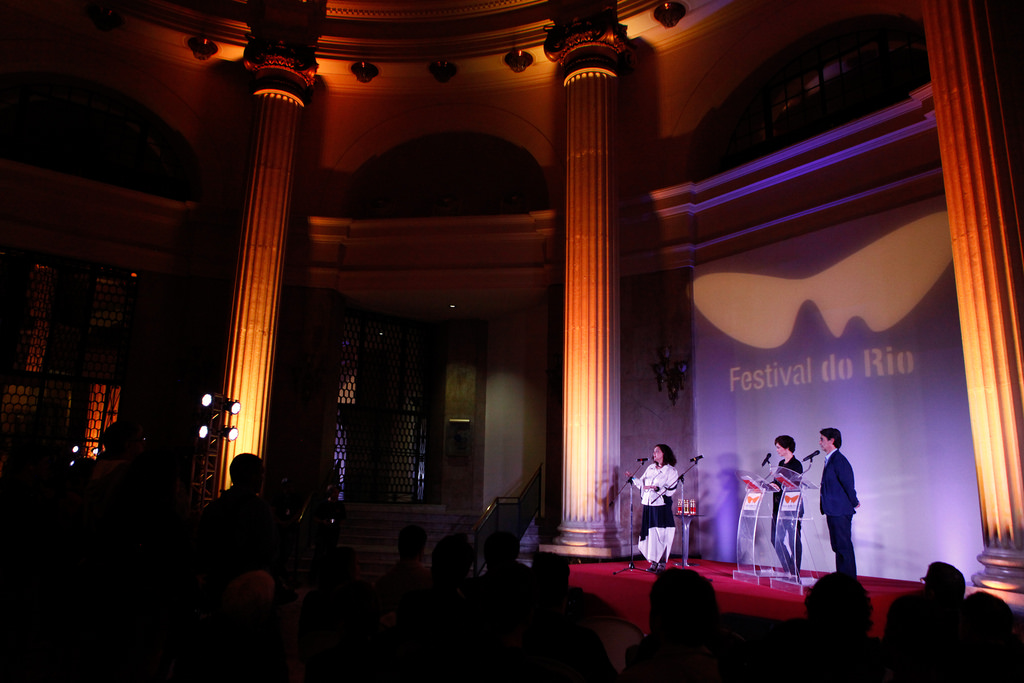
Earlier in the event, the festival presented for the first time its new Felix awards, given to recognise the best LGBT films in the festival. Three awards were given in a ceremony at Rio’s prestigious Banco do Brasil cultural centre, CCBB, presented by among others Rio’s re-elected Federal Deputy Jean Wyllys and popular actor Mateus Solano. Reflecting the international reach of the festival, the awards recognized gay filmmaking achievements from Brazil, Australia, Greece, France and Belgium.

IMG_1751The winners were for Best Fiction Feature, Xenia, directed by Panos H. Koutras; for Best Documentary De Gravata e Unha Vermelha (Tie and Red Nail), directed by Miriam Chnaiderman; with a Special Jury Prize for 52 Tuesdays, directed by Sophie Hyde.

Clocks go forward on 19 October 2014

IMG_3349Rio will move its clocks forward one hour at zero hour on Sunday, 19 October. The city will remain on summer time until Sunday, 22 February, the Sunday after carnival.

With summer time in parts of Brazil, the country will have three time zones. The first includes Rio and the country’s capital, Brasília, as well as all the states in the South and South East, as well as Goiás. The second, which is one hour behind, includes the states in the Northeast as well as Pará, Amapá, Tocantins, Mato Grosso and Mato Grosso do Sul. The third, two hours behind Brasília, includes Acre, Amazonas, Roraima and Rondônia.

Rio 2016 announces ticket prices for Olympic Games

ticketsTicket prices for the Rio 2016 Olympic Games have been announced – and more than half of them will be sold at accessible prices in order to ensure that the event is open to everyone. About 7.5 million tickets will be issued and approximately 3.8 million of these will be available for 70 Brazilian reais (US$30) or less. For the price ranges (in Brazilian reais) for all sports and ceremonies CLICK HERE. Or click on the images below.

Currently (16 September), R$10 is worth about US$4.30, €3.30 or £2.60.

There will be tickets for 717 sports sessions, covering all 28 Olympic sports, plus the opening and closing ceremonies. The range of prices the organizers say is designed to make tickets as affordable as possible, with the goal of ensuring that the local Brazilian population has the opportunity to attend events. The cheapest ticket will be priced at 40 Brazilian reais (less than US$20).

The full Rio 2016 Olympic Games Ticket Sales Programme will be unveiled in November 2014, along with the competition schedule and details on how the public can buy tickets.
The next step on the spectator’s journey towards participating in the first Olympic Games to be staged in South America will come in November. Fans from all over the world will be able to register on the ticket sales website and indicate which sports are of  interest to them. They will then receive tailored news and information on these sports and athletes, as well as other events around the Games, as anticipation builds towards 2016.

Brazilian residents will be able to enter the first of two draws for tickets in March 2015. Non-Brazilian residents will be able to apply to buy tickets in their own territories in the first half of 2015 (details will be announced on the ticket sales website at a later date) and then again in January 2016, in the worldwide first-come-first-served online sales phase.

Ticket_prices_1Ticket_prices_2Ticket_prices_3

A selection of films from Festival do Rio 2014

Festival FaceHere is a selection from some of the 350 films from more than 60 countries that will screen in Rio de Janeiro during the 16th Festival do Rio, the city’s international film festival.

The Cinépolis Lagoon, on the Lagoa will be the official cinema for the gala sessions of Première Brasil, the sessions with directors present and other section screenings. The Cine Jóia and the Museu da República will all be part of the festival as will Estação, Kinoplex São Luiz, Roxy, Oi Futuro Ipanema, Ponto Cine, along with other usual cinemas and screening venues. For the fourth year the Armazém da Utopia (Armazém 6) will be the RioMarket headquarters and also the location for the Cine Meeting and popular sessions.

Festival do Rio runs from 28 September through 8 October 2014.


World Panorama

71, directed by Yann Demange (UK)
Aloft, directed by Claudia Llosa (Spain-Canada-France)
Boyhood, directed by Richard Linklater (US)
Bird People, directed by Pascale Ferran (France)
Black Coal, Thin Ice, directed by Diao Yinan (China, Hong Kong)
Blind Massage, directed by Lou Ye (China, France)
Cavalo Dinheiro (Horse Money), directed by Pedro Costa (Portugal)
Cathedrals of Culture, directed by Wim Wenders, Michael Glawogger, Michael Madsen, Robert Redford, Margreth Olin, Karim Aïnouz (Germany-Austria-Denmark)
Charlie’s Country, directed by Rolf de Heer (Australia)
Coming Home (Gui lai), directed by Zhang Yimou (China
The Disappearance of Eleanor Rigby: Them, directed by Ned Benson (US)
The Face of an Angel, directed by Michael Winterbottom (UK-Italy-Spain)
Fantasia, directed by Chao Wang (China)
Frank, directed by Lenny Abrahamson (Ireland-UK)
Girlhood, directed by Céline Sciamma (France)
God Help the Girl, directed by Stuart Murdoch (UK)
Gomorrah, directed by Stefano Sollima (Italy)
Gone Girl, directed by David Fincher (US)
Heaven Knows What, directed by Ben Safdie, Joshua Safdie (US-France)
The Humbling, directed by Barry Levinson (US)
Hungry Hearts, directed by Saverio Costanzo (US)
Ida, directed by Pawel Pawlikowski (Poland)
Iraqi Odyssey, directed by Samir (Iraq-Switzerland-Germany)
Jealousy (La jalousie), directed by Philippe Garrel (France)
Jimmy’s Hall, directed by Ken Loach (Ireland-UK)
Journey to the West (Xi you), directed by Tsai Ming-Liang (France-Taiwan)
The Judge, directed by David Dobkin (US)
Love is Strange, directed by Ira Sachs (US)
Maïdan, directed by Sergei Loznitsa (Ukraine)
Manglehorn, directed by David Gordon Green (US)
Maps to the Stars, directed by David Cronenberg (Mexico)
A Master Builder, directed by Jonathan Demme (US)
Men, Women & Children, directed by Jason Reitma (US)
Metamorphoses, directed by Christophe Honoré (France)
Misunderstood, directed by Asia Argento (Italy)
Mommy, directed by Xavier Dolan (Canada)
Mr. Turner, directed by Mike Leigh (UK)
National Gallery, directed by Frederick Wiseman (France-US)
Night Flight, directed by LeeSong Hee-il (S. Korea)
One on One, directed by Kim Ki-duk (S. Korea)
Onirica Psie pole (Field of Dogs), directed by Lech Majewski (Poland)
The President, directed by Moshen Makhmalbaf (Georgia-France-UK)
The Prince of Fame, directed by Xavier Beauvois (France-Switzerland)
A Promise (Une promesse), directed by Patrice Leconte (France-Belgium)
Red Amnesia, directed by Wang Xiaoshuai (China)
Rio 50 Degrees, directed by Julien Temple (UK-Brasil-Germany)
La Sapience, directed by Eugène Green (France-Italy)
Short Plays, directed by Sebastián Cordero, Doris Dörrie, Vincent Gallo, Daniel Gruener, Luca Lucini, Carlos Moreno, Gaspar Noé, Carlos Reygadas, Apichatpong Weerasethakul, Ik-Joon Yang
The Smell of Us, directed by Larry Clark (France)
Stations of the Cross (Kreuzweg), directed by Dietrich Brüggemann (Germany-France)
Stratos, directed by Yannis Economides (Greece-Germany-Cyprus)
Tales, directed by Rakhshan Banietemad (Iran)
Three Hearts (3 Coeurs), directed by Benoit Jacquot (France)
Timbuktu, directed by Abderrahmane Sissako (France)
Tsili, directed by Amos Gitai (Israel)
Whiplash, directed by Damien Chazelle (US)
Words with Gods, directed by Warwick Thornton, Héctor Babenco, Mira Nair, Hideo Nakata, Amos Gitai, Álex de la Iglesia, Emir Kusturica, Bahman Ghobadi, Guillermo Arriaga (Mexico)

Expectations 2014

52 Tuesdays, directed by Sophie Hyde (Australia)
10.000 Km, directed by Carlos Marques-Marcet (Spain)
Alive, directed by Jungbum Park (S. Korea)
Blind, directed by Eskil Vogt (Norway-Holland)
Brides, directed by Tinatin Kajrishvili (Georgia-France)
Brooklyn, directed by Pascal Tessaud (France)
Darker Than Midnight, directed by Sebastiano Riso (Italy)
The Dinner, directed by Ivano de Matteo (Italy)
The Distance, directed by Sergio Caballero (Spain)
Eat Your Bones, directed by Jean-Charles Hue (France)
Fishing Without Nets, directed by Cutter Hodierne (US-Somalia-Kenya)
Five Star, directed by Keith Miller (US)
Forma, directed by Ayumi Sakamoto (Japan)
A Girl at My Door, directed by July Jung (S.Korea)
The Goob, directed by Guy Myhill (UK)
The Kidnapping of Michel Houellebecq, directed by Guillaume Nicloux  (France)
Imperial Dreams, directed by Malik Vitthal (US)
Land Ho!, directed by Martha Stephens, Aaron Katz (US-Iceland)
Lilting, directed by Hong Khaou (UK)
Listen Up Philip, directed by Alex Ross Perry (US)
Next to Her, directed by Asaf Korman (Israel)
Obvious Child, directed by Gillian Robespierre (US)
Party Girl, directed by Marie Amachoukeli, Claire Burger, Samuel Theis (France)
She’s Lost Control, directed by Anja Marquardt (US)
The Skeleton Twins, directed by Craig Johnson (US)
Something Must Break, directed by Ester Martin Bergsmark (Sweden)
Songs from the North, directed by Soon-Mi Yoo (US-South Korea-Portugal)
Titli, directed by Kanu Behl (India)
Tu Dors Nicole, directed by Stéphanie Lafleur (Canada)
Xenia, directed by Panos H. Koutras (Greece-France-Belgium)
Young Ones, directed by Jake Paltrow (US)

Midnight Movies: Documentary

Beyond Clueless, directed by Charlie Lyne (UK)
Captivated, The Trials of Pamela Smart, directed by Jeremiah Zagar (US-UK)
The Case Against 8, directed by Ben Cotner, Ryan White (US)
The Galapagos Affair: Satan Came to Eden), directed by Dayna Goldfine, Dan Geller (US)
Last Hijack, directed by Tommy Pallotta, Femke Wolting (Holland-Germany-Ireland)
Red Army, directed by Gabe Polsky (US)

Midnight Movies: Fiction

Burying the Ex, directed by Joe Dante (US)
Cold in July, directed by Jim Mickle (US)
A Hard Day, directed by Kim Seong-hun (South Korea)
Kumiko, the Treasure Hunter, directed by David Zellner (US)
Over Your Dead Body, directed by Takashi Miike (Japan)
Patema Inverted, directed by Yasuhiro Yoshiura (Japan)
Tokyo Tribe, directed by Sion Sono (Japan)

Midnight Movies: Terror

ABCs of Death 2, directed by Various (US)
Alleluia, directed by Fabrice Du Welz (Belgium-France)
Annabelle, directed by John Leonetti (US)
Corrente do mal (It Follows), directed by David Robert Mitchell (US)
Spring, directed by Justin Benson, Aaron Moorhead (US)
The Texas Chainsaw Massacre (Restored) directed by Tobe Hooper (US)

Film Docs

Altman, directed by Ron Mann (Canada)
The Go-Go Boys: The Inside Story of Cannon Films, directed by Hilla Medalia (Israel-France)
Happy to be Different, directed by Gianni Amelio (Italy)
The Kingdom of Dreams and Madness, directed by Mami Sunada (Japan)
Life Itself, directed by Steve James (US)
Mr X, directed by Tessa Louise-Salomé (France)
Remake, Remix, RipOff, directed by Cem Kaya  (German-Turkey)
The Voice of Sokurov, directed by Leena Kilpeläinen (Finland)

Unique Itineraries

About Sarah, directed by Elisa Miller (Mexico-UK)
Bloody Daughter, directed by Stéphanie Argerich (France-Switzerland)
The Decent One, directed by Vanessa Lapa (Israel-Austra-Germany)
Dior and I, directed by Frédéric Tcheng ((France)
The 50 Year Argument, directed by Martin Scorsese, David Tedeschi (US)
The Internet’s Own Boy, directed by Brian Knappenberger (US)
The Last Impresario, directed by Gracie Otto (Australia)
Microtopia, directed by Jesper Wachtmeister (Sweden)
Nan Goldin I Remember Your Face, directed by Sabine Lidl (German-Australia-Switzerland)
Precise Poetry Lina Bo Bardi’s Architecture, directed by Belinda Rukschcio (Germany-Austria-Brazil)
Regarding Susan Sontag, directed by Nancy Kates (US)
Sunday, directed by Karim Ainouz (Brazil)
Travelling at Night with Jim Jarmusch, directed by Léa Rinaldi (France-Morocco)

Music

20,000 Days on Earth, directed by Iain Forsyth, Jane Pollard (UK)
American Interior, directed by Gruff Rhys, Dylan Goch (Wales)
Beautiful Noise, directed by Eric Green (US)
Björk: Biophilia Live, directed by Peter Strickland, Nick Fenton (UK)
David Bowie Is directed by e Hamish Hamilton
Finding Fela, directed by Alex Gibney (US)
A Hard Day’s Night, (Restored Version), directed by Richard Lester (UK)
Pulp: A Film About Life, Death & Supermarkets, directed by Florian Habicht (UK)
Que Caramba es la Vida, directed by Doris Dörrie (Germany)
When Björk Met Attenborough, directed by Louise Hooper (UK)

Frontiers

First to Fall, directed by Rachel Beth Anderson (UK-US)
Freedom Summer, directed by Stanley Nelson (US)
Last Days in Vietnam, directed by Rory Kennedy (US)
Revolution in Reverse: Debt & Work – the New Colonialism, directed by Chiara Cavalazzi (Italy)
Silvered Water, Syria Self-Portrait, directed by Ossama Mohammed, Wiam Simav Bedirected byxan (France-Syria)
The Supreme Price, directed by Joanna Lipper (US-Nigeria)
Through A Lens Darkly: Black Photographers and the Emergence of a People, directed by Thomas Allen Harris (US)
We Come as Friends, directed by Hubert Sauper (France-Austria)
We Are the Giant, directed by Greg Barker (US-UK)
Whispers of the Cities (Hams al-mudam), directed by Kasim Abid (Iraq-UK)

Generations

Amori Elementari (Elementary Loves), directed by Sergio Basso (Italy)
Belle and Sebastian, directed by Nicolas Vanier (France)
Charleen macht Schluss (About A Girl), directed by Mark Monheim (Germany)
Dixie y la Rebelión Zombi (Dixie and the Zombie Rebellion), directed by Ricardo Ramón, Beñat Beitia (Spain)
Encantados (Enchanted Amazon Island), directed by Tizuka Yamasaki (Brazil)
Finn, directed by Frans Weisz (Netherlands)
María y el Araña (Maria and Spider), directed by María Victoria Menis (Argentina-France-Equador)
Violet, directed by Bas Devos (Belgium-Netherlands)

Latin Première

Aire libre (Open Air), directed by Anahí Berneri. (Argentina)
Dos Disparos (Two Gun Shots), directed by Martín Rejtman. (Argentina)
Los Enemigos del Dolor (The Enemies of Pain), directed by Arauco Hernández. (Uruguay-Brazil)
Feriado (Holiday), directed by Diego Araujo. (Equador-Argentina).
Gente de bien, directed by Franco Lolli. (Colombia-France)
Historia del miedo (History of Fear), directed by Benjamin Naishtat. (Argentina-Uruguay-Germany)
Los hongos, directed by Oscar Ruiz Navia. (Colombia-France-Argentina)
Lulu, directed by Luis Ortega. (Argentina)
Manos sucias, directed by Josef Wladyka. (Colombia-US)
Matar a un hombre (To Kill a Man), directed by Alejandro Fernández Almendras. (Chile-France)
Mauro, directed by Hernán Rosselli. (Argentina)
El misterio de la felicidad (The Mystery of Happiness), directed by Daniel Burman. (Argentina-Brazil)
Las Niñas Quispe (The Quispe Girls), directed by Sebastián Sepúlveda. (Chile-France-Argentina)
La Princesa de Francia, directed by Matías Piñeiro. (Argentina)
La Salada, directed by Juan Martín Hsu. (Argentina)
Séptimo (7th Floor), directed by Patxi Amezcua. (Argentina-Spain)
La Tercera orilla (The Third Side of the River), directed by Celina Murga. (Argentina-Germany-Netherlands)
La Voz en Off (Voice Over), directed by Cristián Jiménez. (Chile-France-Canada)

Focus Mexico

Asteroide, directed by Marcelo Tobar (Mexico)
Los Ausentes (The Absent), directed by Nicolás Pereda (Mexico-France-Spain)
Cantinflas, directed by Sebastian del Amo (Mexico)
Cumbres, directed by Gabriel Nuncio (Mexico)
González, directed by Christian Díaz Pardo (Mexico)
Güeros, directed by Alonso Ruizpalacios (Mexico)
La Guerra de Manuela Jankovic (Manuela Jankovic’s War), directed by Diana Cardozo (Mexico)
Las Horas Muertas (The Empty Hours), directed by Aaron Fernandez (Mexico-France-Spain)
Los insólitos peces gato (The Amazing Catfish), directed by Claudia Sainte-Luce (Mexico-France)
Los Ángeles, directed by Damian John Harper (Mexico-Germany)
Manto Acuífero (The Well), directed by Michael Rowe (Mexico)
Los oscura primaveras (The Obscure Spring), directed by Ernesto Contreras (Mexico)
Somos Mari Pepa (We Are Mari Pepa), directed by Samuel Kishi Leopo (Mexico)

Mexican Classics

El Compadre Mendoza (Godfather Mendoza), directed by Fernando de Fuentes (Mexico)
¡Vámonos con Pancho Villa! (Let’s Go with Pancho Villa), directed by Fernando de Fuentes (Mexico)
La Mujer del Puerto (The Woman of the Port), directed by Arcady Boytler (Mexico)
La otra (The Other One), directed by Roberto Gavaldón (Mexico)
Redes (The Wave), directed by Fred Zinnemann, Emilio Gómez Muriel (Mexico)

Festival do Rio: Rio’s international film festival

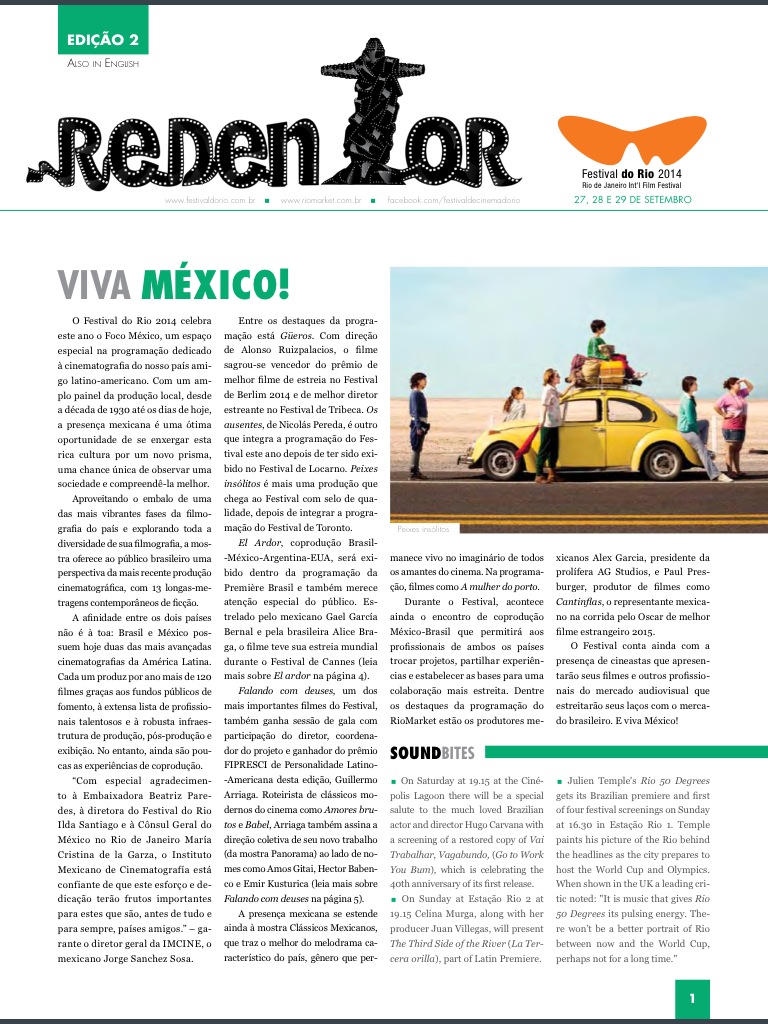
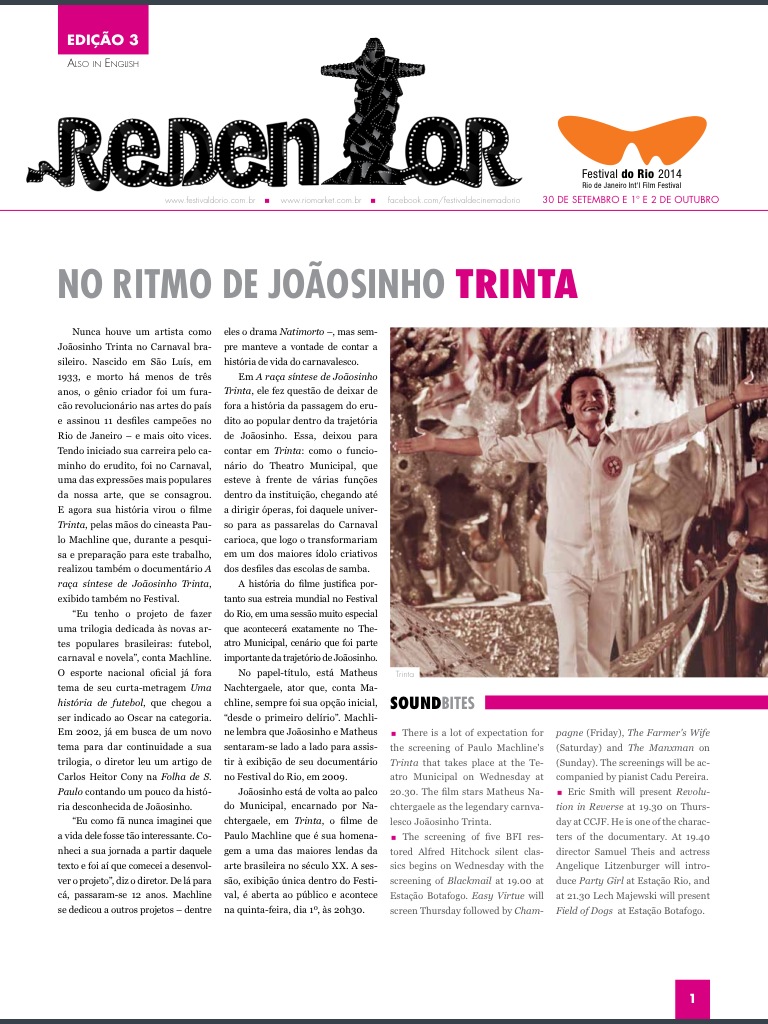
Festival FaceRio’s international film festival, Festival do Rio, takes place for the 16th consecutive year between 24 September and 8 October 2014.
The festival is headquartered in the historic heart of the city at the Armazém da Utopia (http://armazemdautopia.com.br), and will screen films from more than 60 countries at 35 venues spread across the city.

Brazilian films and Première Brasil, which this year will mainly screen at the Cinépolis Lagoon (www.lagoon.com.br) on the Lagoa, close to Ipanema, are the core of Festival do Rio, and the festival is rightfully acknowledged as the best annual global showcase of contemporary Brazilian cinema.

In total Première Brasil will screen over 40 new Brazilian full-length features and documentaries during the festival, most of which are having their world premieres in Rio. For 2014 there are ten full-length features in competition and ten documentaries.

Festival do Rio is also known for bringing the very best of international cinema to Brazil, and this year is no exception with more than 60 countries represented across the festival program by nearly 350 new or historically important films. Among the directors whose work will screen at the festival are David Cronenberg, David Fincher, Richard Linklater, Mike Leigh, Mohsen Makhmalbaf, Ken Loach, Larry Clark, Xavier Dolan, Takashi Miike, Kim Ki-Duk, Jason Reitman and Frederick Wiseman.

The festival will open with a screening of Wim Wender and Juliano Ribeiro Salgado’s documentary The Salt of the Earth, which looks at the great Brazilian photographer Sebastião Salgado, and will close with the world premier of Stephen Daldry’s Trash that was filmed in Rio de Janeiro.

Silver logo 2014