New Waterborne Tour of Rio’s Bay

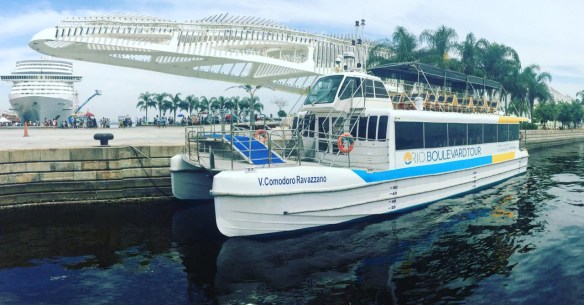
56327131831234443871153e3058701bRio has a new tour of its bay, Guanabara Bay, in modern 106 seater catamarans that depart from next to the Museum of Tomorrow (Museu de Amanhã), off Praça Maua in down town Rio, and cover the main attractions of the bay from its mouth at Sugar Loaf down to the Rio-Niteroi Bridge.

The waterborne tour takes around 70 minutes and departs Tuesday through Sunday at 12.00, 15.00 and 17.00. Tickets currently cost around US$20 or £16 (R$80).

For more information click here

f5428c65186d731a42d7f9be9917dc11


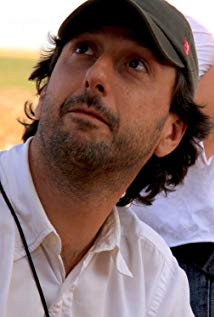
The Division (A Divisão): A film by Vicente Amorim

One of the most highly anticipated Brazilian films of 2019, Vicente Amorim’s The Division (A Divisão), that was introduced to international buyers during the 2019 Berlin Film Festival, is set across Rio de Janeiro.

Based and inspired by disturbing and shocking events that took place during the 1990s in Rio de Janeiro, The Division (A Divisão) is a dark, modern, violent, action-crime-thriller from the acclaimed Brazilian filmmaker, Vicente Amorim, and producer José Junior, Rio’s leading expert on urban violence and head of the NGO (and now production company) AfroReggae Audiovisual. The Division will receive a wide mid-2019 theatrical release in Brazil through Downtown Filmes and Paris Filmes, the companies behind the largest and most successful box-office releases in Brazil in recent years, and is being handled internationally by WTFilms that has introduced the film to the international buyers and distributors at the EFM during the Berlin Film Festival.

“The film is really about redemption, their redemption,” says Amorim, “ and what it is that sets our protagonists apart from the people around them. Although set in the 1990s, The Division is the genesis of what we are living through in Brazil today, with a President who defined his election campaign around violence. It is this need to move forward ­– regardless of the consequences and without measuring the risks – that represents a portrait of modern Brazil. The film reveals the inside of a machine that may start turning again at any moment.”

In the late 1990s, kidnapping became the crime of choice in Rio de Janeiro, with ten or more high profile cases each month. The population, at least those with money, were scared, and the authorities appeared paralysed as large ransoms were paid and some of the kidnapped were held for months or never returned. As corrupt police and officials looked the other way, justice was neither done or seen to be done, as the machine, and those linked to it, were funded by the money being generated from the kidnappings.

To stop the rot, and as a last resort, two police officers – one an incorruptible killing machine with over 100 kills to his name (played by Silvio Guindane); the other a dirty cop known for extorting money from the criminals (Erom Cordeiro) – were brought together and put in charge of Rio’s Anti-Kidnapping Division by the city’s Secretary for Public Safety & Security, a hard line general from the days of the military dictatorship, and his head of police, a socialist lawyer. The Division is their story and how by using very good intelligence and some questionable methods to solve the kidnappings, the two policemen come close to victory as the ends do seem to justify their means. But can too much intelligence be a dangerous thing? The film is based on the real events and the real people.

Amorim’s previous films have screened at, among others, the Toronto, Rotterdam, Karlovy Vary, Montreal, San Sebastian and Rio de Janeiro film festivals. They include the thriller Motorrad, selected for Toronto in 2017; the Brazil-Japanese co-production Dirty Hearts (Corações Sujos); the ethical thriller Good, with Academy Award nominee Viggo Mortensen, a film considered one of the ten best movies of 2008 by The Hollywood Reporter and Rex Reed (The New York Observer); and The Middle of the World (O Caminho das Nuvens) with Wagner Moura; as well as five successful television series.

Despite his work with Brazilian TV, Amorim has deliberately chosen not to cast well-known Brazilian television actors in The Division, as he wants the characters to be credible and real.

Working with the screenwriting team, and as a consultant on the film, is José Luiz Magalhães, a Rio police officer for over 30 years who led the actual team that ended the kidnapping wave in Rio de Janeiro. In The Division, his first work as a screenwriter, he tells his own story, and helps add essential context and the truth of what happened and who was involved.

“He is a brave man,” says Amorim. “As are all the people involved in this project. We have had to change names to keep people alive.”

Amorim was also helped on The Division by José Junior, Creative Director and CEO of AfroReggae Audiovisual (the film’s production company), who has created and produced several television series for channels in Brazil such as Multishow and GNT, including Urban Connections (Conexões Urbanas). He was also the producer of the multi-award winning documentary Favela Rising. The Division is AfroReggae Audiovisual’s first feature, and in Brazil it will also be expanded into a multi-part TV series for Globosat

“José gave us the access to people and places, and opened doors to locations where the real action took place,” adds Amorim. “He also made sure that the weaponry and other details used in the film are correct.”

Junior has mediated in a number of armed conflicts in Rio in a search for peace, and he is considered a pioneer for his work in helping free people in the favelas from a life of drugs and trafficking while helping to re-socialize them. His extraordinarily brave work at AfroReggae has been recognised internationally.

The film reunites Amorim and WTFilms, the Paris based sales company successfully sold the director’s Motorrad.  “Vicente’s style is immediately recognizable. He has a strong visual signature and the grittiness that buyers expect on Brazilian genre and action films,” explain WTFilms executives Dimitri Stephanides and Gregory Chambet.

Other partners in The Division include the co-producers Hungry Man, an international production company with offices in Los Angeles, New York, London, São Paulo and Rio de Janeiro, and one of the world’s top production companies for commercials. Its short film Asad, was nominated for an Academy Award in 2013, and the company was nominated for an International Emmy this year for its five-part Words In Series (Palavras Em Série).

Co-producers include the successful Brazilian companies TV Globo, GloboFilmes, Globosat, GloboPlay, and the film’s Brazilian distributors, Downtown Filmes and Paris Filmes.

Rio de Janeiro World Capital of Architecture 2020

UNESCO has announced that the city of Rio de Janeiro will be the World Capital of Architecture for 2020. As the first World Capital of Architecture, and host to the Union of Architects World Congress (19-26 July 2020), Rio de Janeiro will hold a series of events under the theme “All the worlds. Just one world,” and promote the internationally agreed 2030 Agenda for Sustainable Development’s 11th Goal: “Make cities and human settlements inclusive, safe, resilient and sustainable.”

UNESCO, the UIA and local institutions will organize activities to promote projects involving architects and urban planners as well as policy makers, social institutions and professionals from other sectors including artists and writers in an open and creative space of dialogue and innovation.

Brazil wins Copa America Femenina

Brazil Ladies Copa

Brazil has won the Copa America Femenina and in the process has qualified for the FIFA Women’s World Cup in France in 2019 (for the 8th consecutive time) and the Women’s Olympic Football Tournament in Tokyo in 2020. Brazil played seven games in the Copa America , won seven, scoring 31 goals and conceding just two.

Chile has taken the second spot for the World Cup, but will have a play off with an African nation for a spot at the Tokyo Olympics.

Brazilian directors head for Cannes

Two Brazilian directors will have their films screened in the official section of this year’s Festival de Cannes

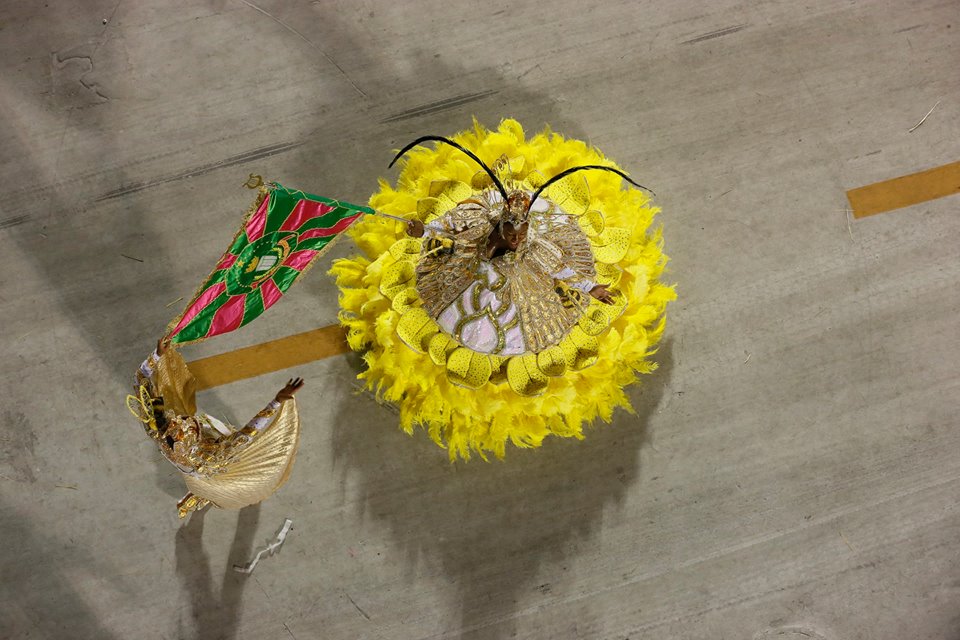
Carlos Diegues, who has had three films screen in competition at Cannes, will receive a special screening and the world premiere of his latest film “O Grande Circo Místico” (The Great Mystical Circus – photo). In 2012 Diegues’was chair of the Caméra d’or jury.

Sao Paulo born, LA based director Joe Penna, better known to his You Tube followers as Mystery Guitar Man, is to get a special midnight screening of his first feature, the thriller “Arctic” which stars Mads Mikkelsen, who headlined NBC’s Hannibal series.

Joe Penna

Themes and Times for Rio’s main Carnival parades in 2018

As we countdown to carnival in Rio the main samba schools, that make up the Grupo Especial, will parade on the nights of Sunday, 11 February and Monday, 12 February.

13 schools will parade in 2018, that is one more than normal after no school was relegated in 2017 and Império Serrano were promoted. It is expected that two schools will be relegated this year.

Following the draw by the League of Samba School (LIESA), seven schools will parade on Sunday, 11 February and six on Monday, 12 February. The order (and approximate start time) is:

Sunday, 11 February

  • Império Serrano (21.15)
  • São Clemente (22.00-22.30)
  • Vila Isabel (23.25-23.45)
  • Paraíso do Tuiuti (00.30-01.00)
  • Grande Rio (01.35-02.15)
  • Mangueira (02.40-03.30)
  • Mocidade Independente de Padre Miguel (03.45-04.45)

Monday, 12 February

  • Unidos da Tijuca (21.15)
  • Portela (22.00-22.30)
  • União da Ilha (23.25-23.45)
  • Salgueiro (00.30-01.00)
  • Imperatriz Leopoldinense (01.35-02.15)
  • Beija-Flor (02.40-03.30)

The titles and rough theme of each samba school for 2018 – and many are likely to be political in content – are:

Sunday, 11 February

  • Império Serrano – O Império na Rota da China (A look at the silk route and the influences of China in Brazil)
  • São Clemente – Academicamente Popular (A celebration of the centenary of Rio’s Escola de Belas Artes – School of Fine Arts)
  • Vila Isabel – Corra, que o futuro vem aí!(Man’s discoveries and inventions and their impact on the environment and how we live)
  • Paraíso do Tuiuti – Meu Deus, meu Deus, está extinta a escravidão? (The story of slavery in Brazil)
  • Grande Rio – Vai para o trono ou não vai? (A celebration of the centenary of the birth of one of Brazil’s most popular entertainers and communicators, Chacrinha)
  • Mangueira – Com dinheiro ou sem dinheiro, eu brinco (A comment on the importance of carnival to the people and city even in an economic crisis)
  • Mocidade Independente de Padre Miguel – Namastê… A Estrela que habita em mim saúda a que existe em você (A look at the impact and influences of India on Brazil)

Monday, 12 February

  • Unidos da Tijuca – Um coração urbano, Miguel, o arcanjo das artes, saúda o povo e pede passagem! (The school honours the popular actor, director and writer Miguel Falabella)
  • Portela – De repente de lá pra cá e dirrepente de cá pra lá (Looks at immigrants across the ages and their search for peace and liberty)
  • União da Ilha – Brasil bom de boca (A look at Brazil’s culinary delights)
  • Salgueiro – Senhoras do Ventre do Mundo (The importance and power of black women)
  • Imperatriz Leopoldinense – Uma noite real no Museu Nacional (The theme is the 200 year history of the National Museum, once home to the Emperors)
  • Beija-Flor – Monstro é aquele que não sabe amar. Os filhos abandonados da pátria que os pariu (Using the 200th anniversary of the publication of “Frankenstein” as the hook, the school looks at intolerance to those who are different)


New airlink between Rio and Asuncion

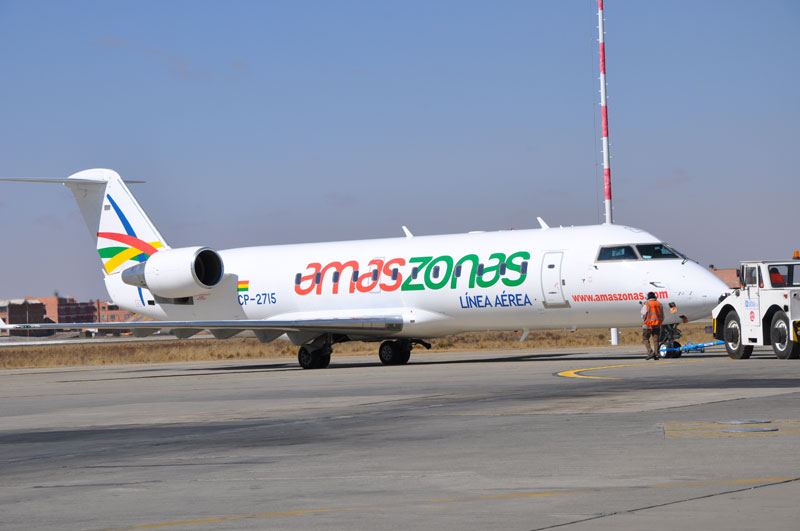
Amaszonas Paraguay, a subsidiary of the Bolivian operator Amaszonas, has added two new Brazilian destinations to its route map this week, with the carrier launching flights to-and-from Asuncion (ASU) to Rio de Janeiro Galeao (GIG) and Sao Paulo Viracopos (VCP).

Fights linking Rio and Asuncion are flown three times weekly, while Sao Paulo is served four times weekly.

Rio – São Paulo still the busiest route in the Americas

The one-hour flight between Rio de Janeiro and São Paulo is again the busiest airline route in the Americas, new research by Routesonline has found.

More than four million people travelled the 378 km between São Paulo Congonhas (CGH) and Rio de Janeiro’s Santos Dumont Airport (SDU) over the past 12 months, putting it comfortably at number one in the rankings.

With an average of 110 flights per day – or one every 13 minutes – the short hop connects São Paulo  with Rio de Janeiro. The route is served by GOL Linhas Aereas, LATAM Airlines Brasil and Avianca Brasil, with the three airlines having a 42 percent, 40 percent and 18 percent capacity share of the market respectively. The average base fare for the journey is $93.

Routesonline’s research used OAG’s Schedules Analyser to identify the top 200 routes in North and South America by capacity from 1 November 2016 to 31 October 2017. The routes were then ranked by passenger figures using data provided by Sabre Airline Solutions over the same time period.

The second busiest route in the Americas connects the capital of Mexico with the tourist hotspot of Cancún. Almost 3.7 million passengers travelled the 1,294 km between Mexico City Juarez (MEX) and Cancun (CUN), with the average cost of a ticket $72.

At number three in the rankings is Los Angeles International (LAX) – New York J F Kennedy (JFK). More than 2.8 million passengers travelled between the east and west coast cities. The average price of a ticket for the flight was $338, making it the most expensive in the top 20. Two other domestic routes completed the top five, with Mexico City Juarez (MEX) – Monterrey Mariano Escobedo (MTY) at number four and Lima (LIM) – Cuzco (CUZ) in fifth.

Another Brazilian domestic route, São Paulo Congonhas (CGH) – Brasilia (BSB), is at number 11 on the list, handling nearly 1.9 million passengers each year.

“Bingo: The King of the Mornings” gets UK release prior to Oscars and BAFTAs

Brazilian director Daniel Rezende is visiting the UK to promote the release of his first feature, Bingo: The King of the Mornings, a hit in Brazil that is to be released of 15 December in the UK. The film has been submitted by Brazil for both the Academy Awards and the BAFTAS.

Although the film is Rezende’s first feature, the director already has an impressive CV which includes his Academy Award nominated and BAFTA winning editing work on the Brazilian cult classic, City of God (2002), as well as his work on Terrence Malick’s Tree of Life (2011), Robocop (2014), Blindness  (2008) and The Motorcycle Diaries  (2004).

Bingo tells the true story of Augusto (Vladimir Brichta), an irreverent Brazilian actor who was searching for his place in the spotlight. Augusto was an actor hungry for a place in the spotlight, following in the footsteps of his mother, a respected stage artist in the 1950’s. While starring in soft porn and TV soap operas, Augusto finally got the chance to conquer the crowds when he was cast as “BINGO”, a clown who hosted a children’s colourful morning TV programme. With his irreverent humour and natural talent, the show became a huge hit in Brazil, but a clause in his contract forbade him from revealing his true identity behind the mask. A Brazilian Stig!

In the process of finding stardom Augusto became an anonymous celebrity. With his makeup on, he brought happiness to children across Brazil, but not to his own son, Gabriel, that saw his father distancing himself from him as he went in search of recognition.

Filled with irony and humour and an exaggerated pop look from the backstage universe of the Brazilian 80’s television, Bingo: The King of the Mornings tells the incredible and surreal story of a man that whilst looking for his artistic value, ends up finding his personal decay.

It is not easy to define Bingo by picking out only one matter,” explains Rezende. “Essentially it is about a personal search for recognition, about a man’s quest to find his place in the spotlight that ends up hidden behind a mask. There’s something very contemporary in this topic, we all want to be recognised by our parents, by our children, by our friends. But it is also a film about the relationship between father and son. The protagonist is in such a crazy hunt to be recognised as an artist that he ends up distancing himself from his son. He is on TV, making a lot of children laugh every day, but not his own.”

More Top Rio Restaurants for 2017 – This Time from O Globo

Guia Rio Show, the guide to Rio published by the city’s main daily newspaper, O Globo, has sent a team of reviewers out to visit over 200 of the city’s bars and restaurants to review them and to pick the and list the very best.

For the 15th edition of Guia Rio Show, eight of the 200 establishments were considered worthy of the judges’ maximum score. They are:

Fasano Al Mare (Seafood – Ipanema)

Gero (Italian – Ipanema)

Lasai (Contemporary Brazilian – Botafogo)

Mee (Pan-Asian – Copacabana – PHOTO)

Naga (Japanese – Barra)

Nosso Bar (Bistro – Ipanema)

Oro (Contemporary – Leblon)

Shiso (Japanese – Barra)