Where to locate Rio’s Olympic flame

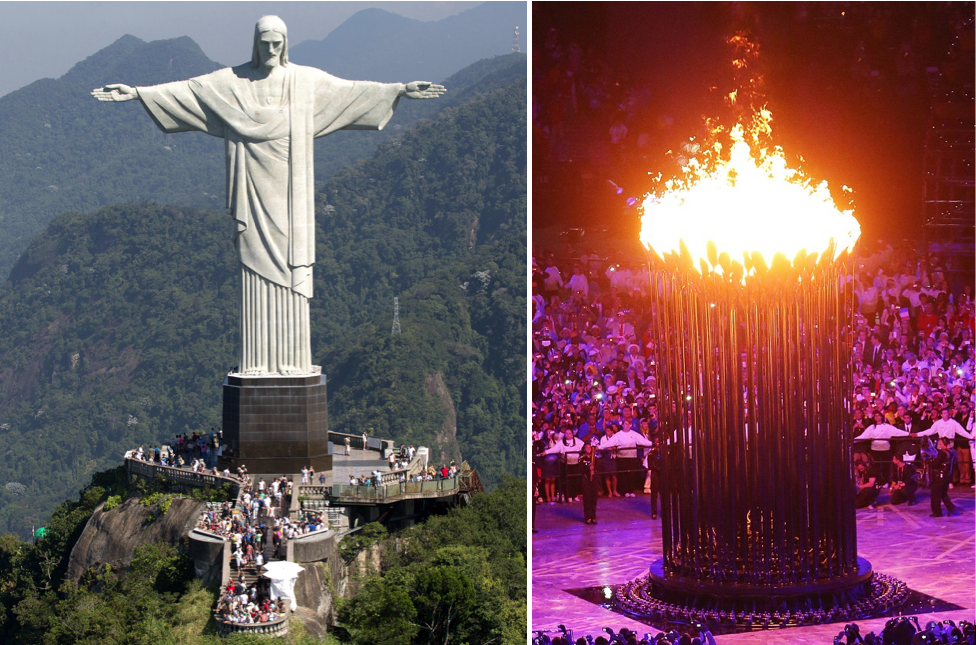
Rio Olympic CauldronRio de Janeiro is going to have to decide where to put the Olympic cauldron and the Olympic flame, and this is on the list of points for Rio 2016 to discuss with the IOC.

The problem is that the opening and closing ceremonies for the 2016 Olympics will take place in the Maracanã while most of the track and field will take place in the Engenhão. The Maracanã only hosting a couple of the football games.

In the opinion of Rio the Guide the best and most spectacular solution will be to locate the Olympic flame at the feet of the Christ the Redeemer statue on the summit of Corcovado.

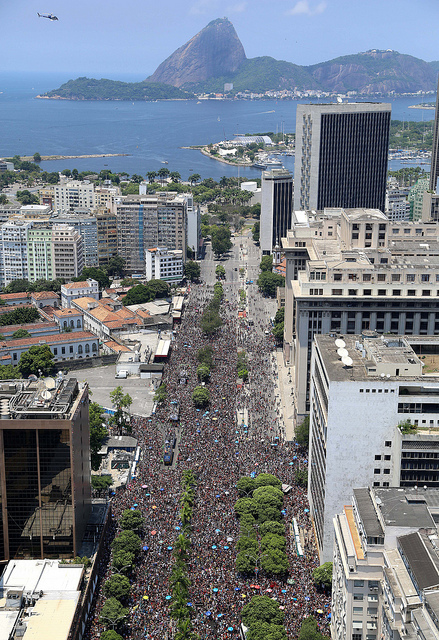
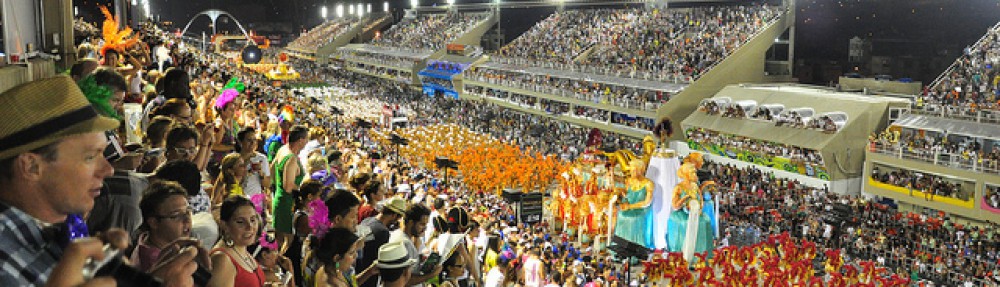
The result would be the first Olympics when most of the host city and its visitors could easily see the Olympic flame at all times during the tournament. That would include the yachtsmen and women in the bay, the rowers on the Lagoa, the cyclists as they cross through Flamengo Park, the archery and marathon at the sambodromo, and so on.

4919594049_b8a20f7252_oNo you won’t be able to see the flame at Corcovado from the Olympic Village in Barra, but neither would you see an Olympic cauldron tucked away in the Maracanã or Engenhão.

We really hope that Rio 2016 will have the courage to think out of the box and play to Rio’s strengths as there will be few host cities, if any, that will have a mountain in the centre of it to use with such an iconic global landmark.

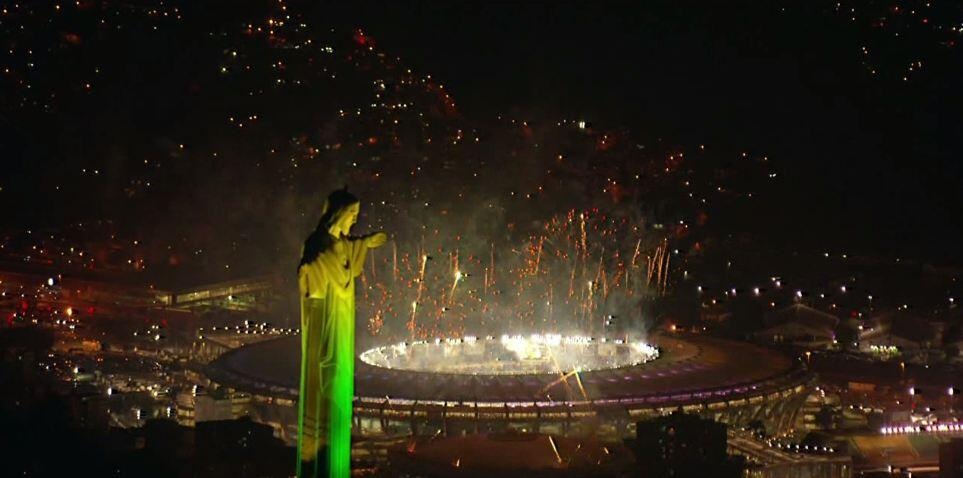
And talking of iconic, we all remember the iconic shot that went viral at the end of the 2014 World Cup!
IMG_1429

Happy 450th Birthday Rio!

10993435_901566283200247_3084404311263497163_nOn 1 March 2015 the city of Rio de Janeiro celebrated the 450th anniversary of its founding. The date relates to the first time the Portuguese really made an effort to set up a colony in Rio after driving out the French.

The Portuguese Government had first ordered the Governor General of Brazil, Mem de Sá, then resident in Bahia, to expel the French colony in 1560. His fleet entered the harbour of Rio on 21 February 1560, and in just two days he had taken control of the settlement. His job done, Mem de Sá returned to Bahia but without taking the precaution of establishing his own garrison. With Mem de Sá’s departure, the French returned, this time to set up camp on the mainland close to what is today Catete.

It would not be until 1565 that the Portuguese returned to Rio under the command of the Governor General’s nephew, Estácio de Sá, who landed on 1 March of that year (the date of the 450th anniversary)  just west of Sugar Loaf. A bitter two-year struggle then ensued with the French defeated by the arrival of Mem de Sá himself on 18 January 1567. Two days later, on 20 January, Estácio de Sá was mortally wounded by an Indian arrow while in combat with the French settlers and their native allies. With the death of his nephew, Mem de Sá moved the site of the new town to Morro do Castelo, an area in front of what is today Santos Dumont Airport.

For a full history of Rio de Janeiro CLICK HERE

Palacio Pedro Ernesto

Rock in Rio 2015 takes shape

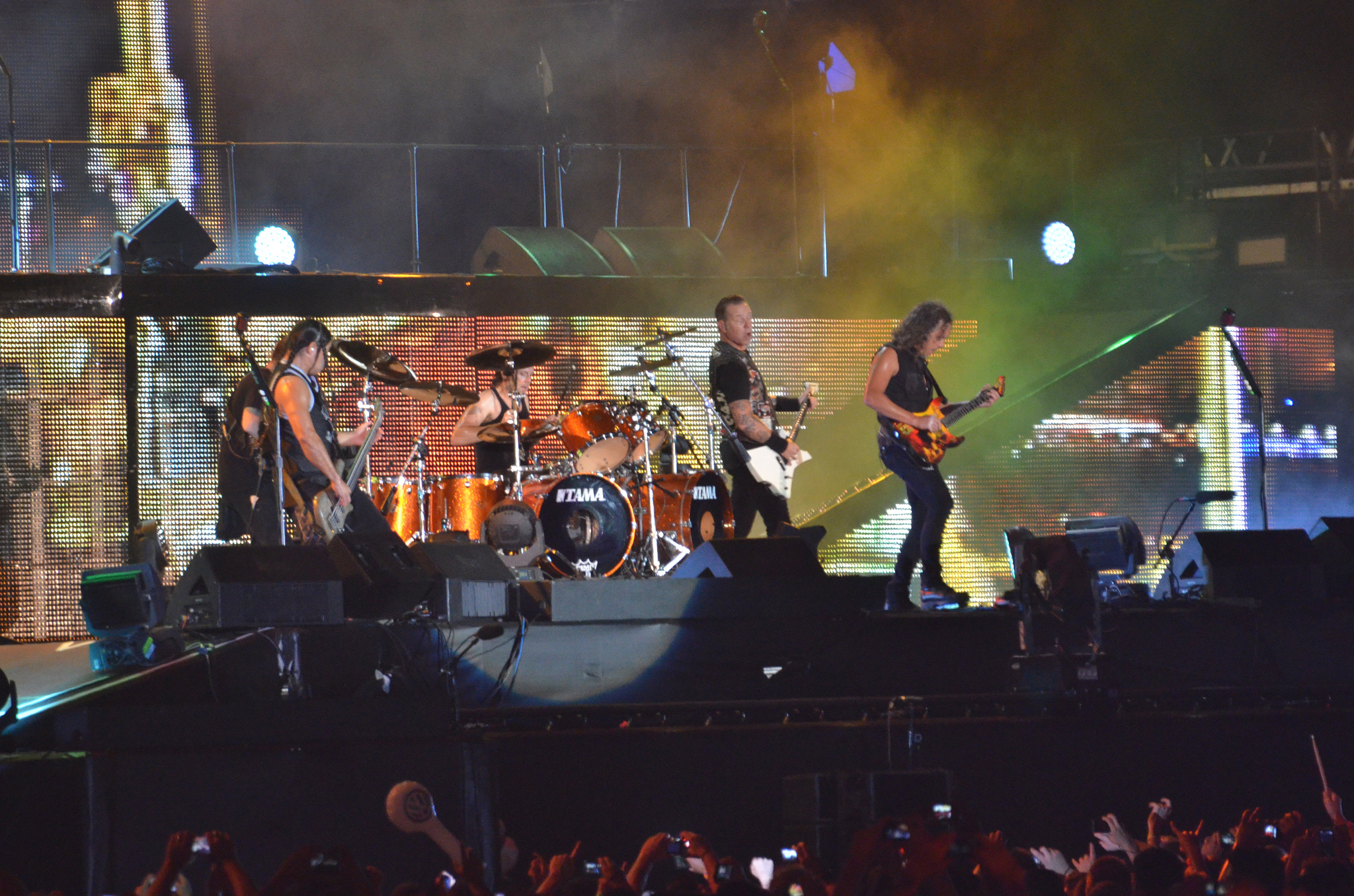
9830879256_a393ca435f_kQueen, the stars of the first ever Rock in Rio in 1985, and Metallica are the latest acts to be added to the line-up for Rock in Rio 2015. Metallica (photo) last played Rock in Rio in 2013.

Queen and Metallica join other acts announced that include Katy Perry, who also performed in 2013, John Legend, A-Ha (that attracted a crowd of 198,000 in 1991, when the festival was staged at the Maracãna), System of a Down, Queens of the Stone Age (who played in 2001), Slipnot (who played in 2011), Faith No More (who played in 1991), and Hollywood Vampires, the group made up of Alice Cooper, Johnny Depp and Joe Perry.

The festival takes place between 18 and 27 September 2015 close to where the Olympic Village is being built.

9768826635_bd0b178324_z

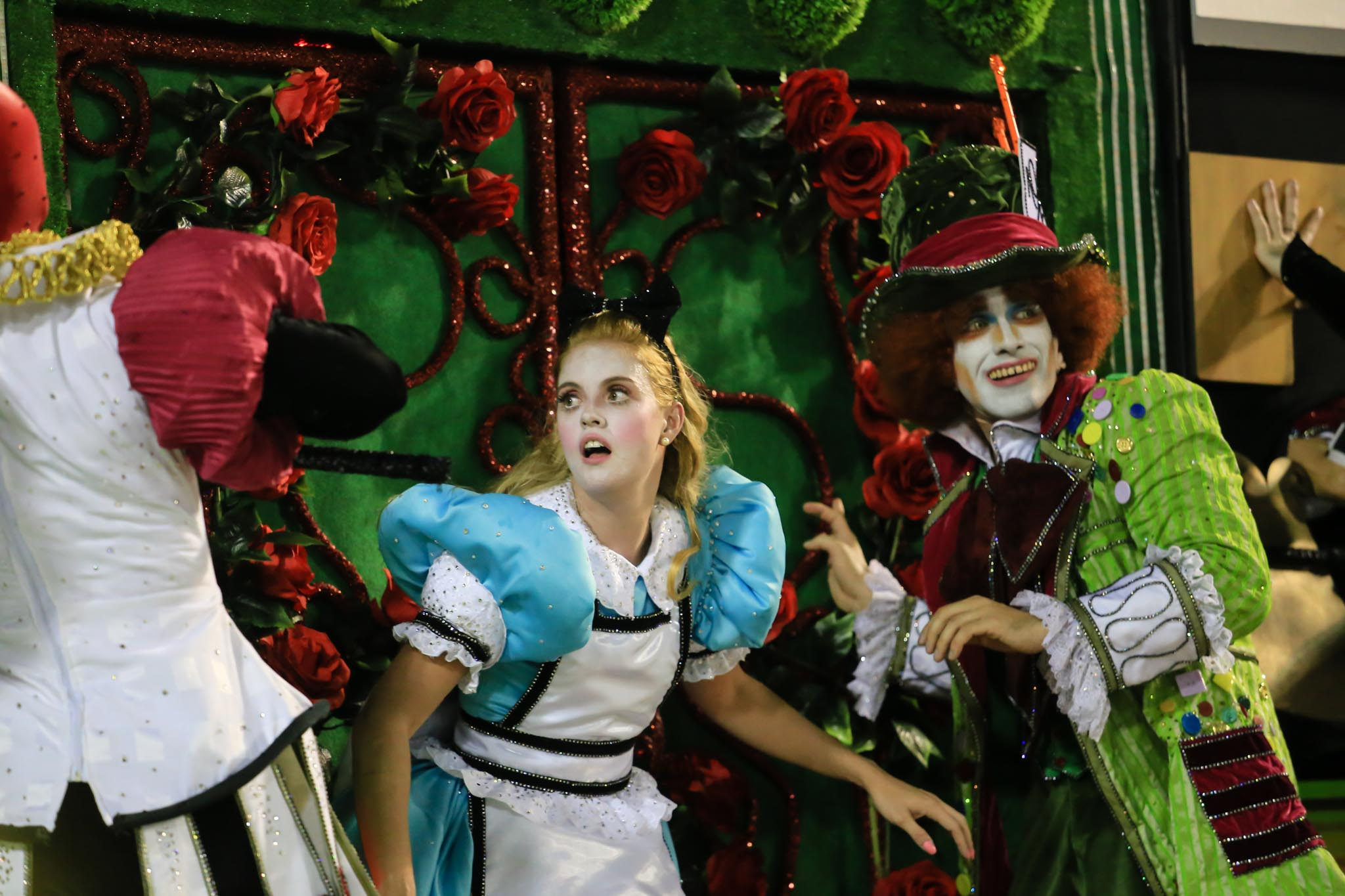
Beija-Flor wins carnival 2015

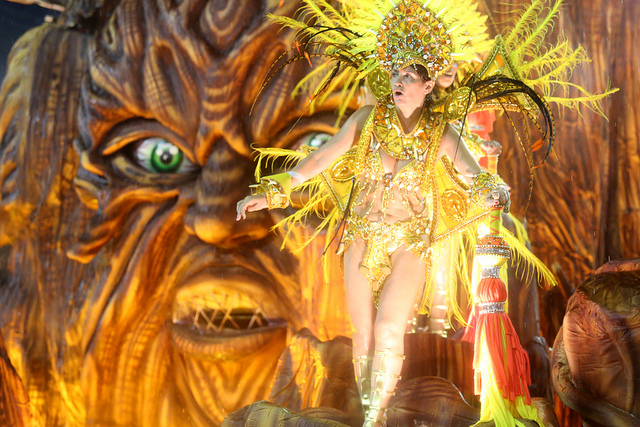
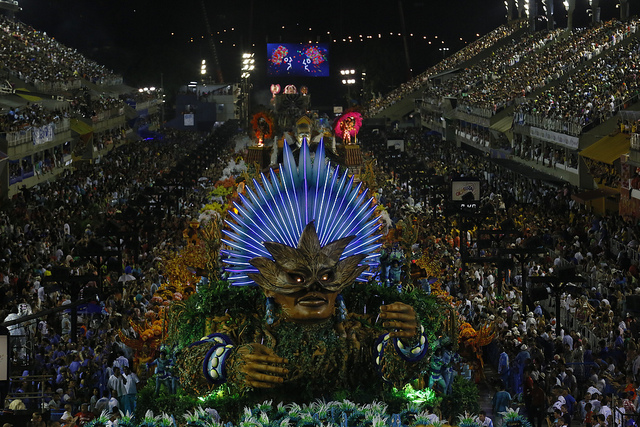
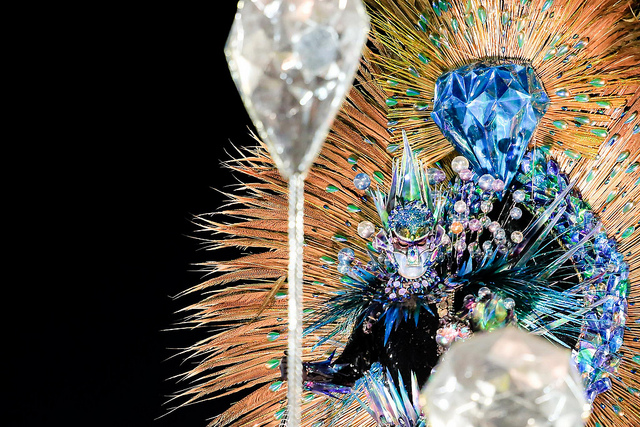
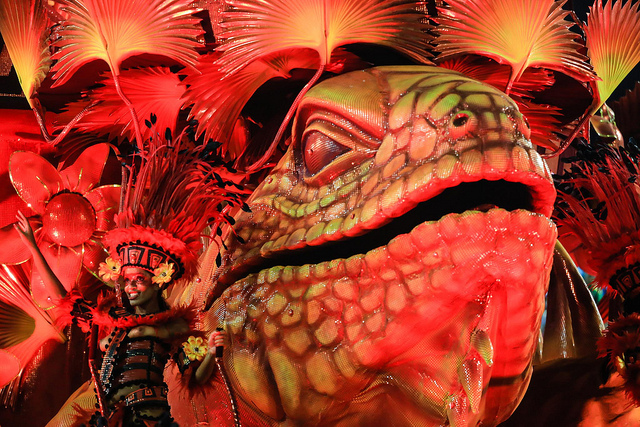
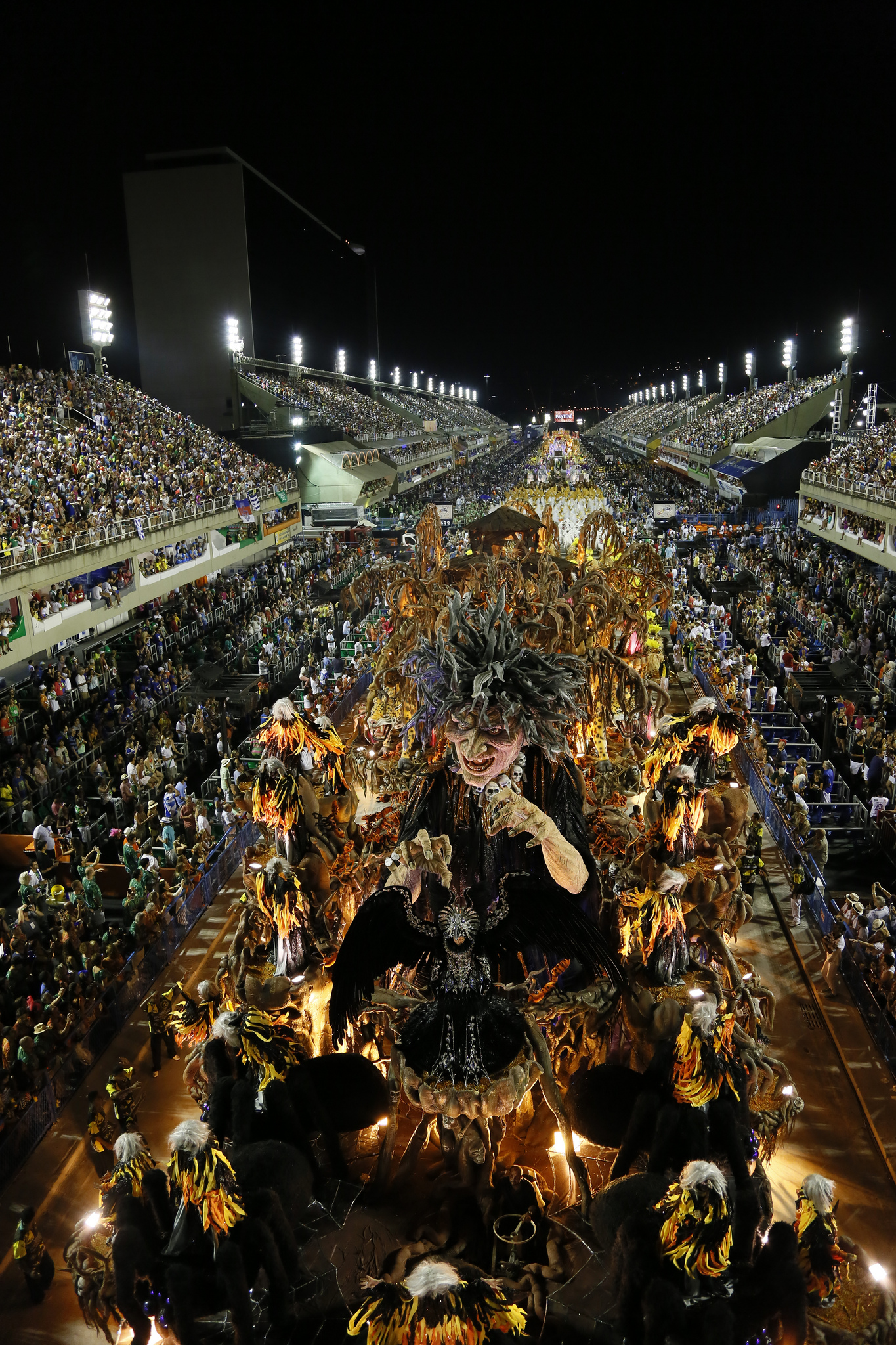
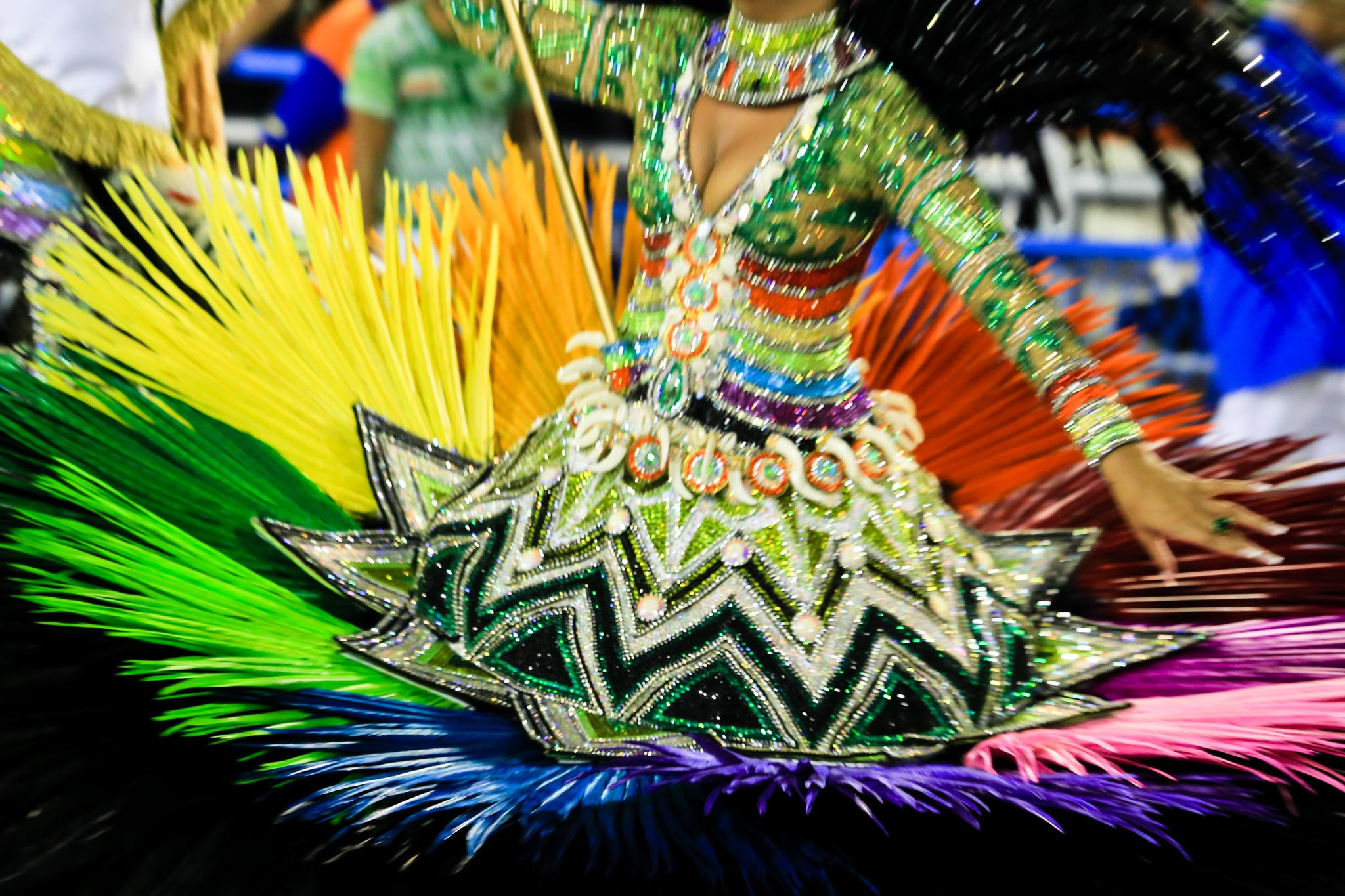
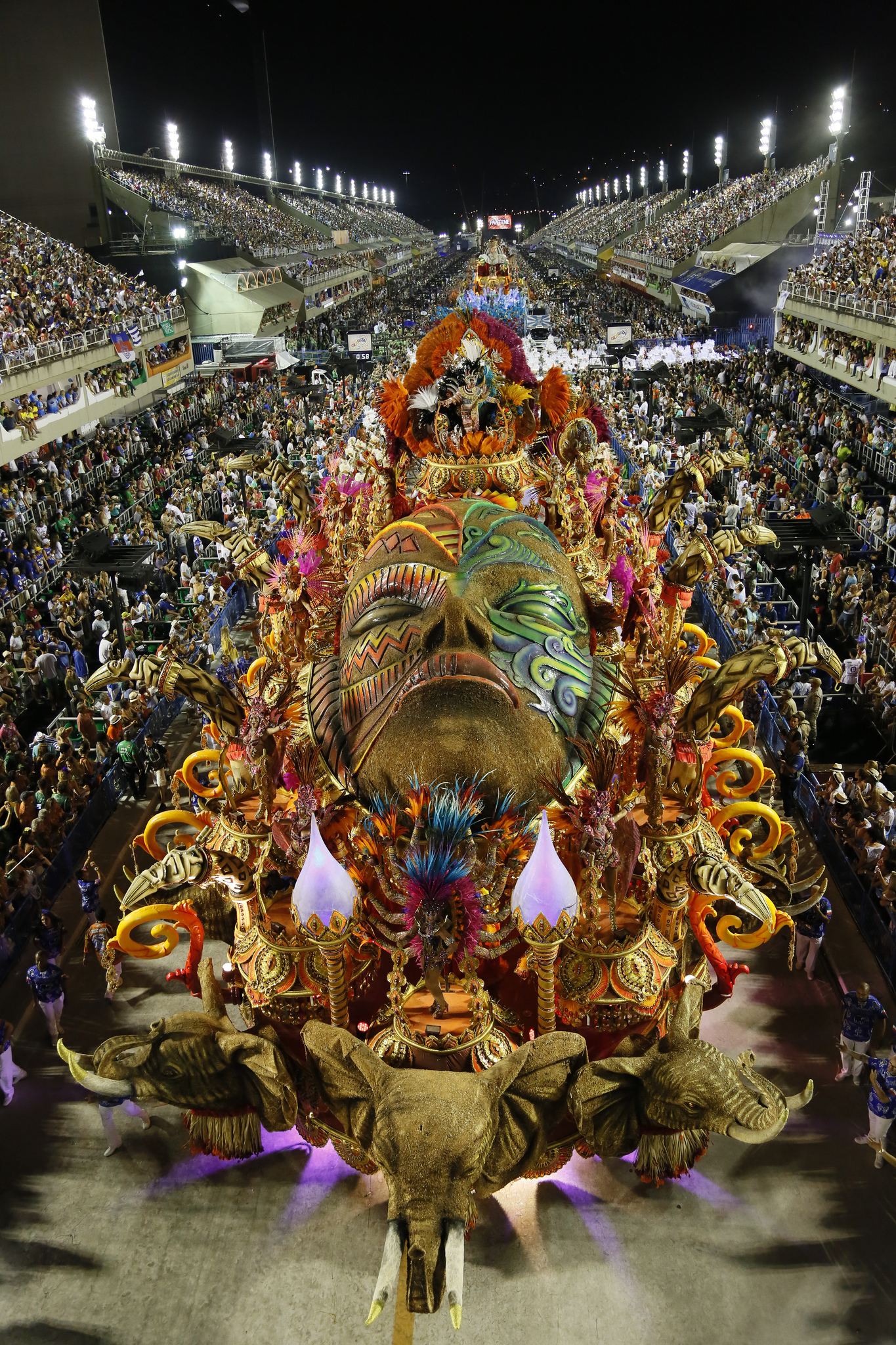
Beija flor 03Beija-Flor (the humming bird) is the champion samba school of Rio’s 2015 carnival with a samba that was based on the historic links between Equatorial Guinea and Brazil. It was one of three schools to choose Brazil’s relationship with Africa as its theme. Viradouro, which also chose Africa, came last and was relegated.

It is Beija-Flor’s 13th carnival title, the first since 2011.

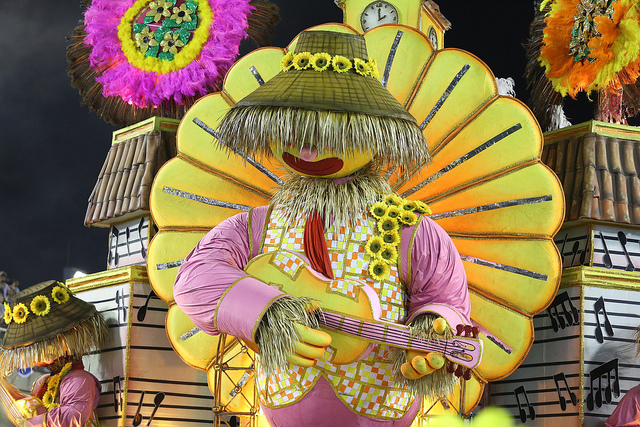
Beija flor 04Salgueiro was runner up with a theme that looked at the tastes and customs of the neighbouring state of Minas Gerais, while in third came Grande Rio who had as its theme cards.

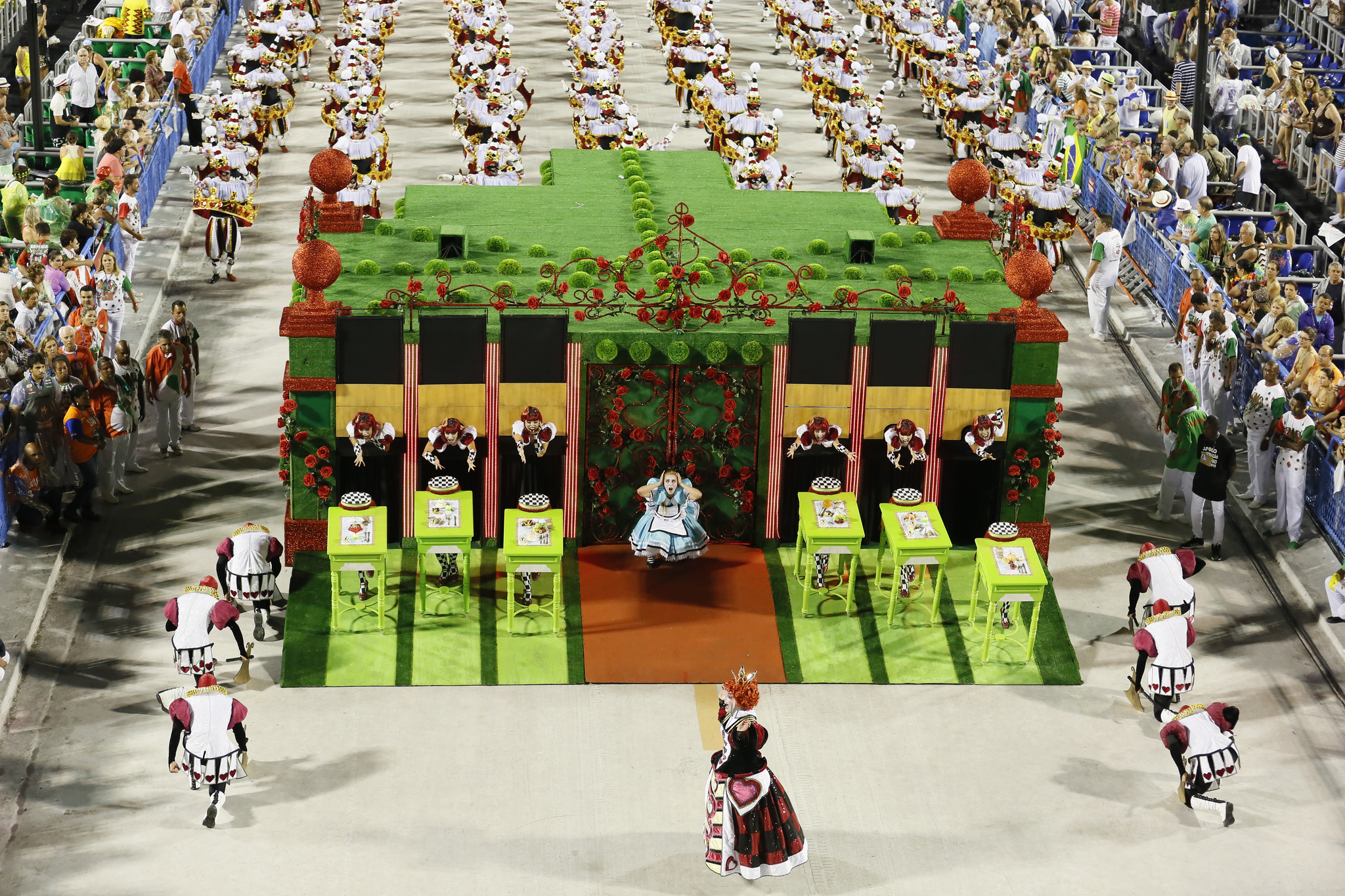
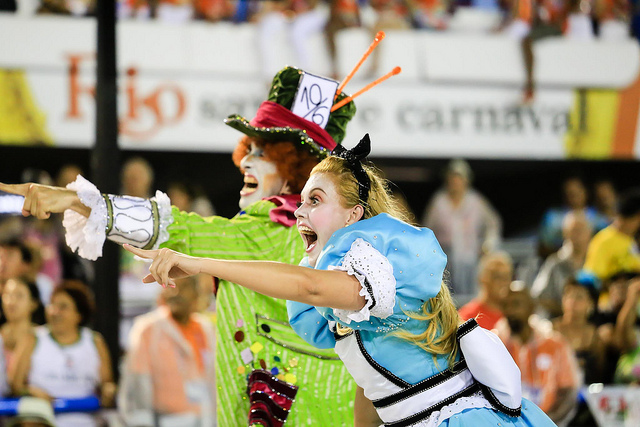
16545053701_78b5d1d951_kGrande Rio tied on points with Portela, which looked at 450 years of Rio surreal, and last year’s champion, Unidos da Tijuca, that had a theme based around Switzerland and one of the great characters of carnival, Clovis Bornay.

In a closely fought contest the full results were:

  • Beija-Flor (269.9 points out of 270)
  • Salgueiro (269.5)
  • Grande Rio (269.0)
  • Portela (269.0)
  • Unidos da Tijuca (269.0)
  • Imperatriz Leopoldinense (268.9)
  • Mocidade Independente de Padre Miguel (268.5)
  • São Clemente (268.4)
  • União da Ilha do Governador (267.2)
  • Mangueira (267.1)
  • Unidos de Vila Isabel (266.2)
  • Viradouro (263.7)

Beija flor 01