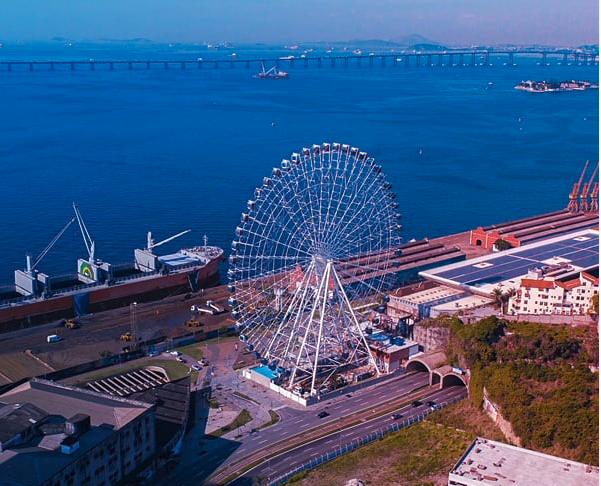
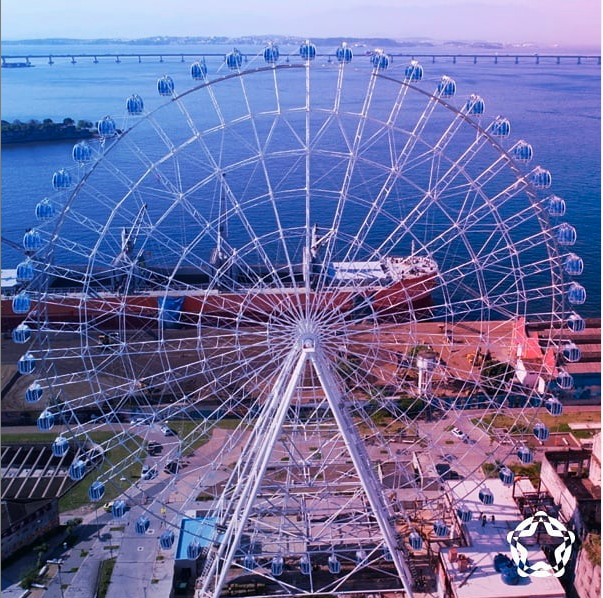
Rio de Janeiro gained a major new attraction, its own Rio Eye, or rather Rio Star, on 6 December 2019.
The giant wheel is 88 metres high (compared with the London Eye’s 135 metres) and has 54 cabins that each can hold 8 people. Tickets cost R$50, or about £10 (compared with London’s £30). The wheel, the largest in Latin America, is located in the port area, close to Centro, overlooking the bay of Rio, and close to the city’s new aquarium and the excellent museums of Tomorrow and Rio Art.
For more information and to book tickets CLICK HERE
Brazil is home to two of the eight hotels chosen by Wallpaper* magazine from a short list of 37 as the best urban hotels in the world for 2019.
The chosen hotels in Brazil, the only in Latin America, are the Janeiro hotel in Rio, which fills the building on the beachfront in Leblon that many will remember as the Marina Rio, and the B Hotel in Brasilia.
The other hotels listed by Wallpaper were The Jaffa in Tel Aviv; Trunk House in Tokyo; Soho House in Mumbai; Rosewood in Hong Kong; Raffles in Singapore; and The August in Antwerp.
As Wallpaper noted: “These destination hotels demonstrate flexibility in a brave and competitive new world. There’s never been a more exciting time to check in.”
Full story in the December edition of Wallpaper. Click Here
One of Rio and Brazil’s most popular football sides, Flamengo, won the Copa Libertadores, the South American equivalent of Europe’s Champions League, by beating Argentina’s River Plate in the final played in Lima, Peru, on Saturday 23 November 2019.
Flamengo’s Gabriel Barbosa scored twice in a dramatic final five minutes as the team came from a goal down to beat River Plate 2-1 and win its first Copa Libertadores title since 1981.
The final of South America’s biggest club football competition, which started in 1960, was moved from Santiago to the Peruvian city because of unrest in Chile’s capital. This was the first time since 1988 that the tournament has been decided in a one-off game.
Flamengo has now qualified for the 2019 FIFA Club World Cup in Qatar and could face European champions Liverpool if they both reach the final on 21 December, as they did back in 1981 when Flamengo won 3-0, inspired by the legendary Zico.
Then on Sunday, 24 November, Flamengo learnt they had won the Brazilian league for the seventh time after Gremio had beaten Palmeiras, meaning they could no longer have its point total surpassed.
Eight Brazilian properties have picked up Condé Nast Johansens Awards for Excellence for 2020 in the Central and South America region. Including the Readers Award. They are:
If you fancy winning a free 30 day trip to Brazil, check out the new Brazilian Tourist Board’s Embratur promotion “The King of Rolê”. Enter and you might win. More details CLICK HERE
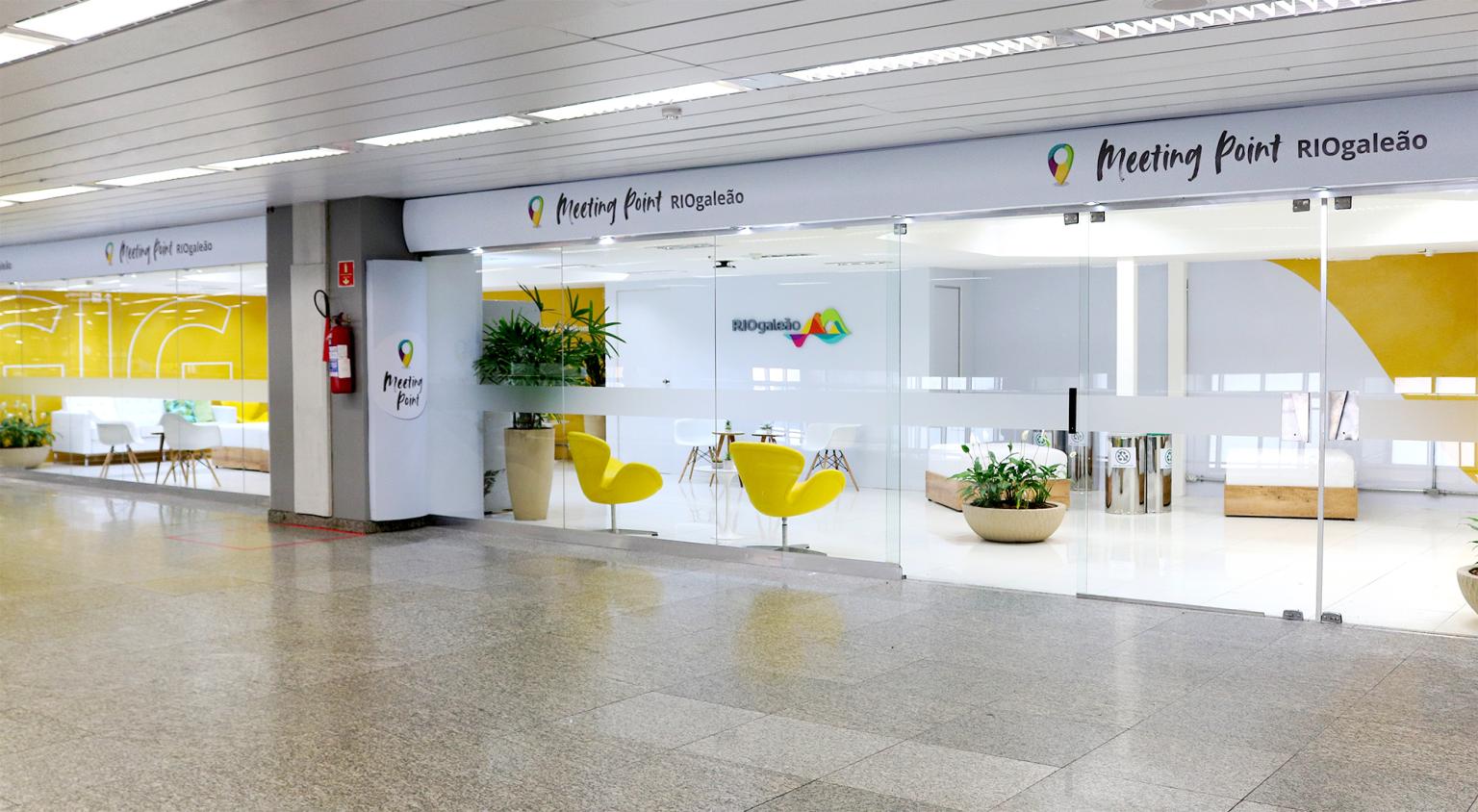
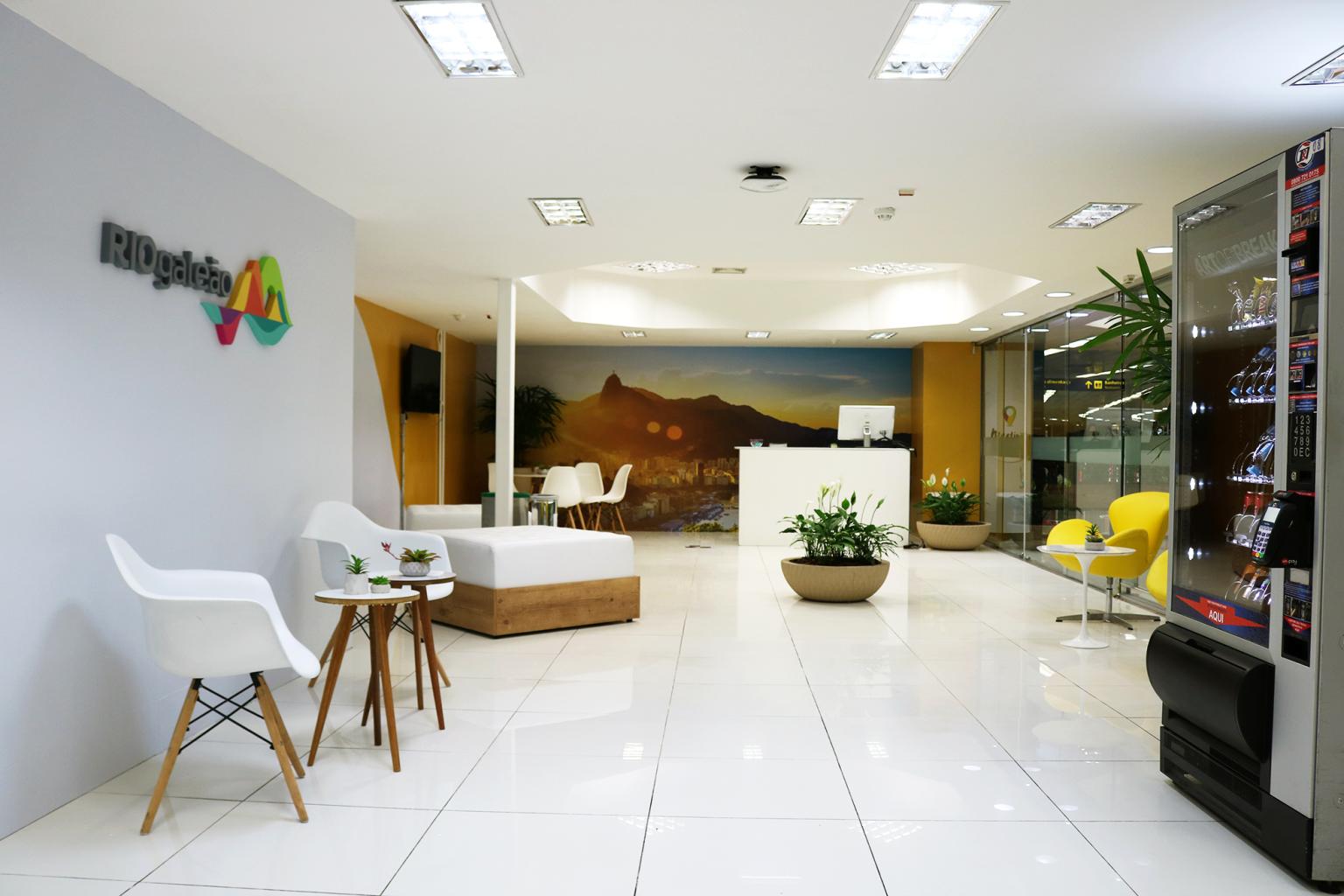
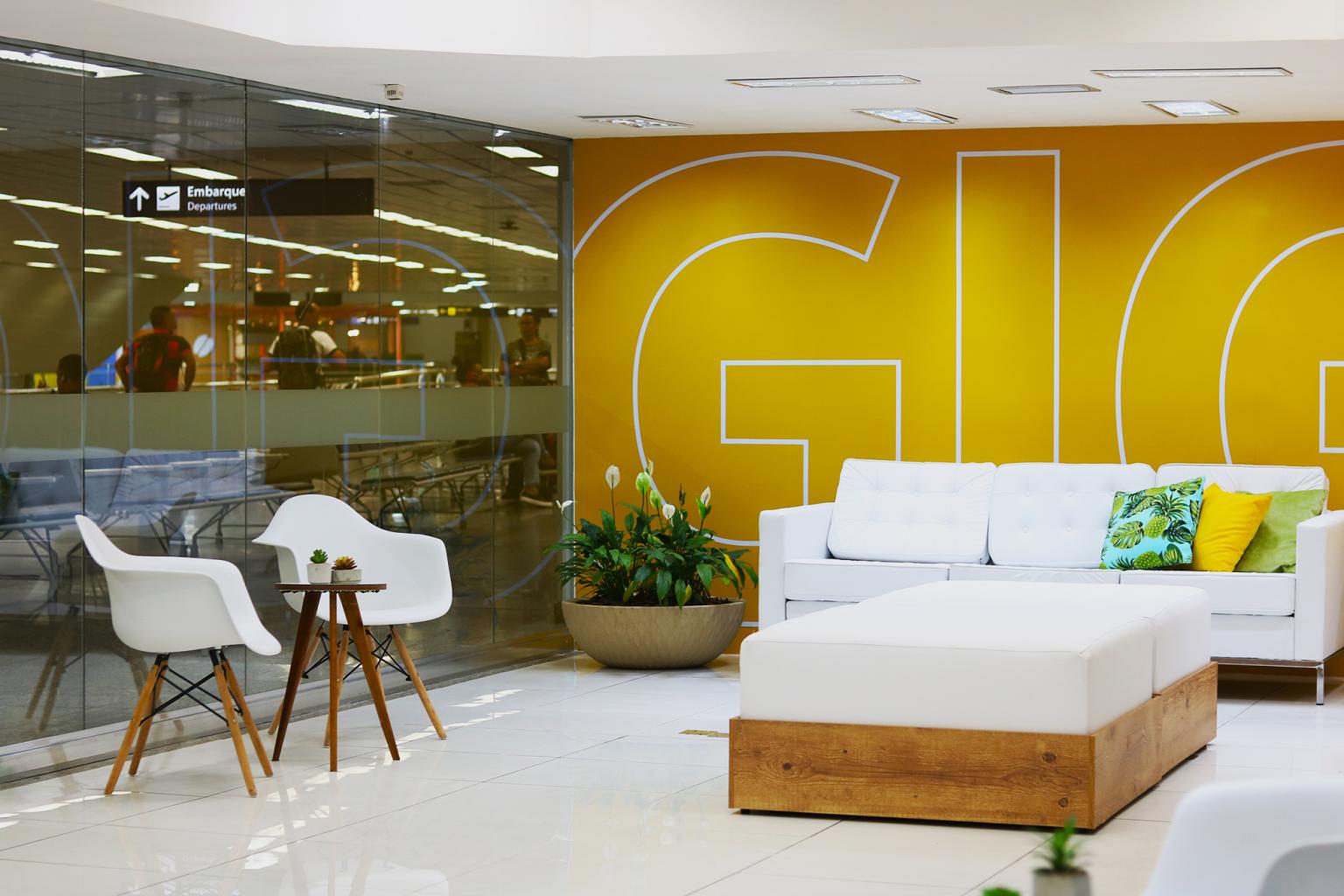
Rio de Janeiro’s international airport, RIOgaleão – Aeroporto Internacional Tom Jobim, has introduced a new meeting space for groups arriving or departing from the airport. The new space can be found on the Mezanine level of Terminal 2.
The list of Latin America’s 50 Best Restaurants for 2019 was revealed on 10 October 2019 at the seventh annual Latin America’s 50 Best Restaurants awards ceremony, sponsored by S.Pellegrino & Acqua Panna, that was held at Usina del Arte in Buenos Aires, Argentina. With seven new restaurants and entries across eight countries, the 2019 list reflects the diversity of the ever-evolving Latin American gastronomic scene.
Brazil claims nine spots in the top 50 – including new entries Evvai and Manu. The “Best Restaurant in Brazil” was judged to be São Paulo’s A Casa do Porco, at No.6 overall. D.O.M. (São Paulo) is at No.10; Maní (São Paulo) is No.18; Oteque (Rio) is No.23; Lasai (Rio), which won the Art of Hospitality Award, is No.24; Olympe (Rio) is No.35; Evvai (São Paulo) is No.40; Manu (Curitiba) is No.42; and Mocotoó (São Paulo) is No.43.
Maido in Lima took the No.1 spot for the third consecutive year, retaining its status as The Best Restaurant in Latin America. Maido, or ‘welcome’ in Japanese, is the flagship restaurant of chef Mitsuharu ‘Micha’ Tsumura, serving inventive tasting menus of Peruvian-Japanese bites such as fish hotdog and sea urchin rice, alongside à la carte options and a classic sushi counter.
Three-time former winner Central is at No.2. Pujol, in Mexico City, is ranked at No.3, followed by Don Julio in Buenos Aires at No.4 and Boragó in Santiago at No.5 – receiving the titles of The Best Restaurant in Mexico, Argentina and Chile, respectively.
The Art of Hospitality Award 2019, which recognises excellence in restaurant service and dining experience, was awarded to Lasai in Rio de Janeiro, Brazil. The restaurant itself is very much the product of the partnership between chef and co-owner Rafa Costa e Silva and his wife Malena Cardiel. Cardiel runs the small but elegant dining room, ensuring that Costa’s plates are enhanced through knowledgeable service, exquisite drinks pairings and creating that all-important atmosphere of conviviality.
Mexico and Peru lead the 2019 list with 11 entries each, including Alcalde for Mexico, winner of the Highest Climber Award, and Central for Peru, recipient of the Sustainable Restaurant Award. Brazil claims nine spots, followed by Argentina with eight entries and Chile with six.
This year, Latin America’s 50 Best Restaurants features seven new entries: Kjolle, Pía León’s rising restaurant based in Lima, receives the Highest New Entry Award, occupying the No.21 spot on the list. De Patio in Santiago, Chile enters the list at No.34; Mil in Cusco, Peru sits at No.36; La Docena in Mexico City’s Polanco district occupies No.38; while Manu in Curitiba, Brazil enters the list at No.42. The seventh new entry is Mayta from Lima, Peru at No.49.
1
Maido (Lima, Peru) *The Best Restaurant in Latin
America/The Best Restaurant in Peru
26
La Mar (Lima, Peru)
2
Central (Lima, Peru) *Sustainable Restaurant Award
27
Rosetta (Mexico City, Mexico)
3
Pujol (Mexico City, Mexico) *The Best Restaurant in Mexico
28
Máximo Bistrot (Mexico City, Mexico)
4
DonJulio (Buenos Aires, Argentina) *The Best Restaurant in
Argentina
29
Chila (Buenos Aires, Argentina)
5
Boragó (Santiago, Chile) *The Best Restaurant in Chile
30
Ambrosía (Santiago, Chile)
6
ACasadoPorco (São Paulo, Brazil) *The Best Restaurant in
Brazil
31
Nicos (Mexico City, Mexico)
7
ElChato (Bogotá, Colombia) *The Best Restaurant in
Colombia
32
LeChique (Cancun, Mexico)
8
Leo (Bogotá, Colombia)
33
ParadorLaHuella (José Ignacio, Uruguay) *The Best Restaurant in
Uruguay
9
Osso (Lima, Peru)
34
DePatio (Santiago, Chile) *New Entry
10
D.O.M. (São Paulo, Brazil)
35
Olympe (Rio de Janeiro, Brazil)
11
Quintonil (Mexico City, Mexico)
36
Mil (Cusco, Peru) *New Entry
12
Isolina (Lima, Peru)
37
Restaurante040 (Santiago, Chile)
13
AstridyGastón (Lima, Peru)
38
LaDocena (Polanco, Mexico City, Mexico) *New Entry
14
Alcalde (Guadalajara, Mexico) *Highest Climber
39
ElBaqueano (Buenos Aires, Argentina)
15
Pangea (Monterrey, Mexico)
40
Evvai (São Paulo, Brazil) *New Entry
16
Sud 777 (Mexico City, Mexico)
41
LaDocena (Guadalajara, Mexico)
17
Maito (Panama City, Panama) *The Best Restaurant in
Panama
42
Manu (Curitiba, Brazil) *New Entry
18
Maní (São Paulo, Brazil)
43
Mocotó (São Paulo, Brazil)
19
Rafael (Lima, Peru)
44
Osaka (Santiago, Chile)
20
Mishiguene (Buenos Aires, Argentina)
45
Elena (Buenos Aires, Argentina)
21
Kjolle (Lima, Peru) *Highest New Entry
46
GranDabbang (Buenos Aires, Argentina)
22
HarrySasson (Bogotá, Colombia)
47
99 (Santiago, Chile)
23
Oteque (Rio de Janeiro, Brazil)
48
Malabar (Lima, Peru)
24
Lasai (Rio de Janeiro, Brazil) *Art of Hospitality Award
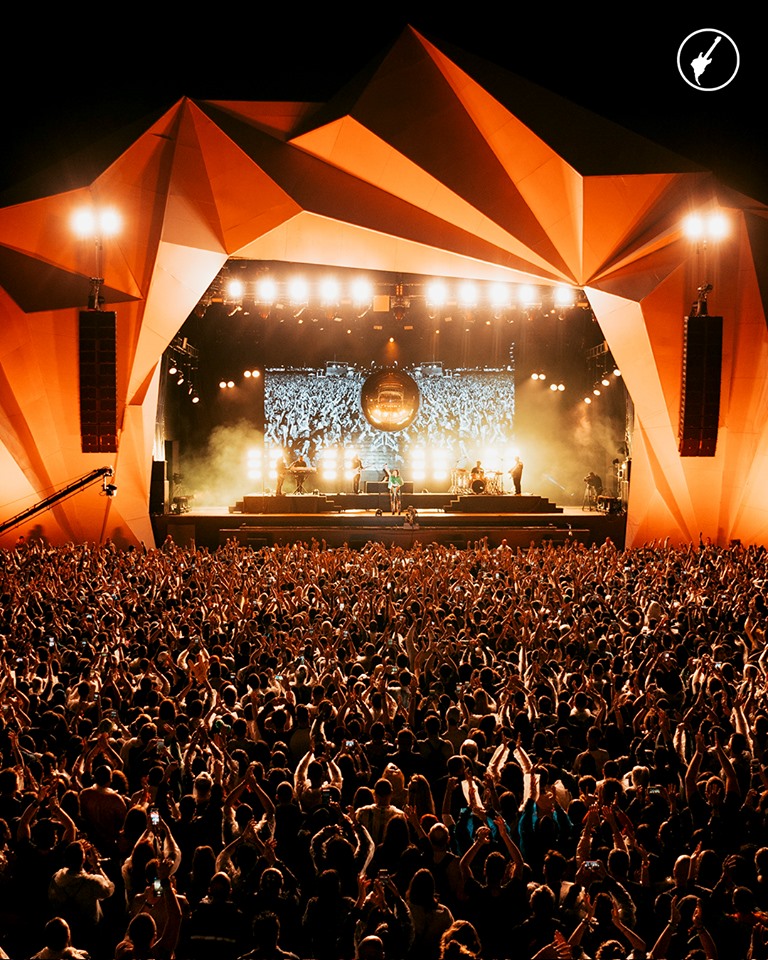
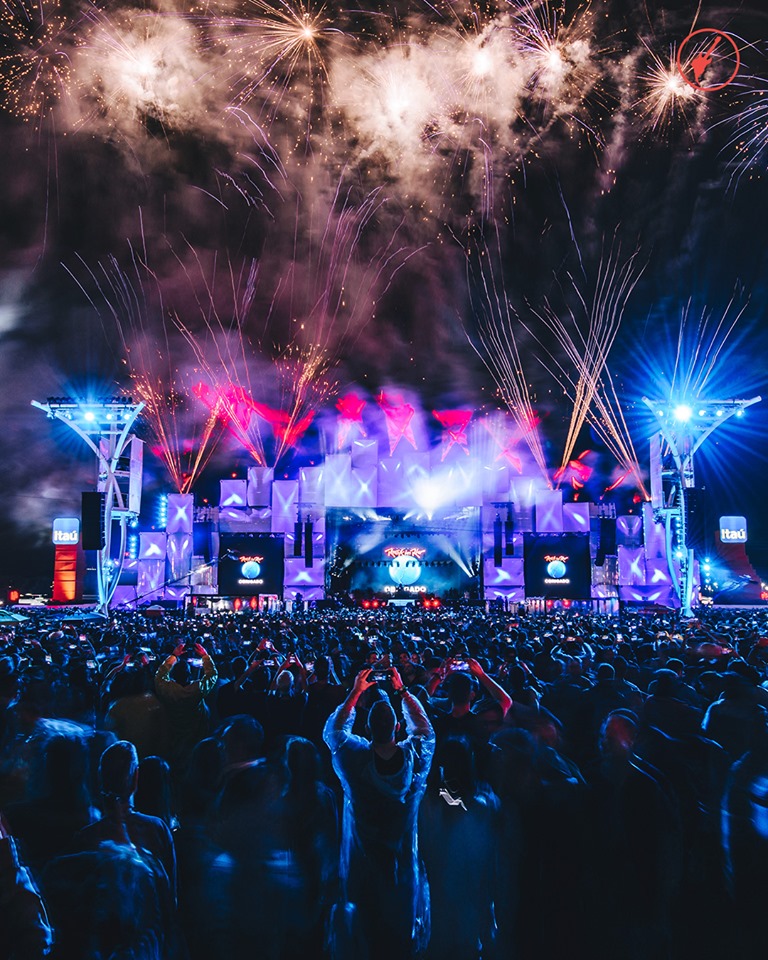
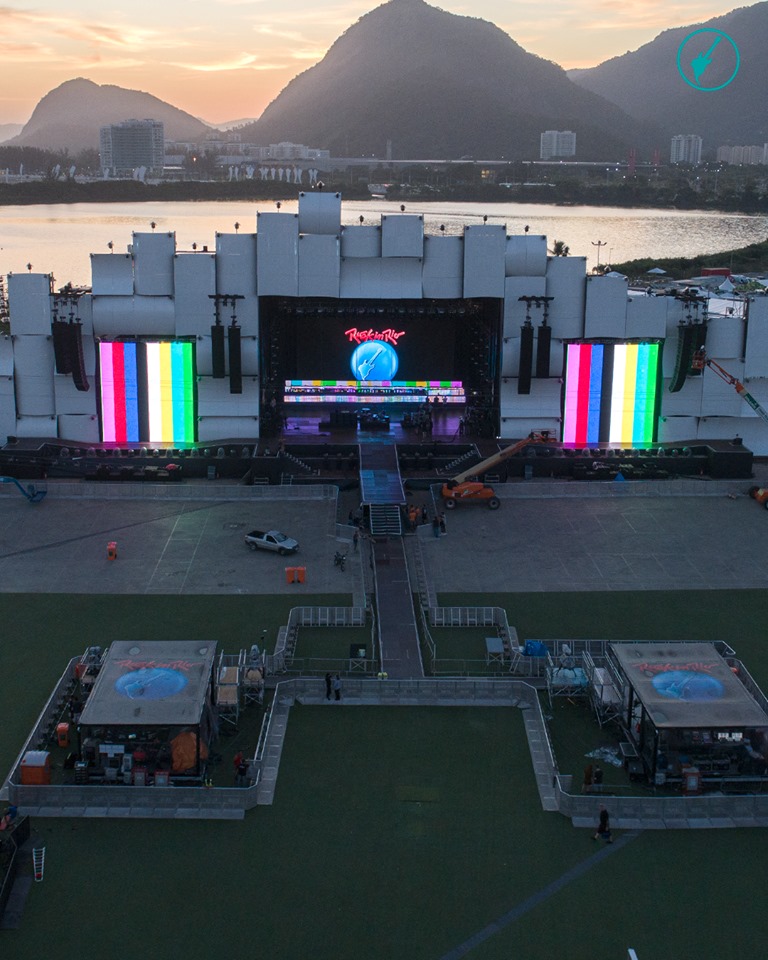
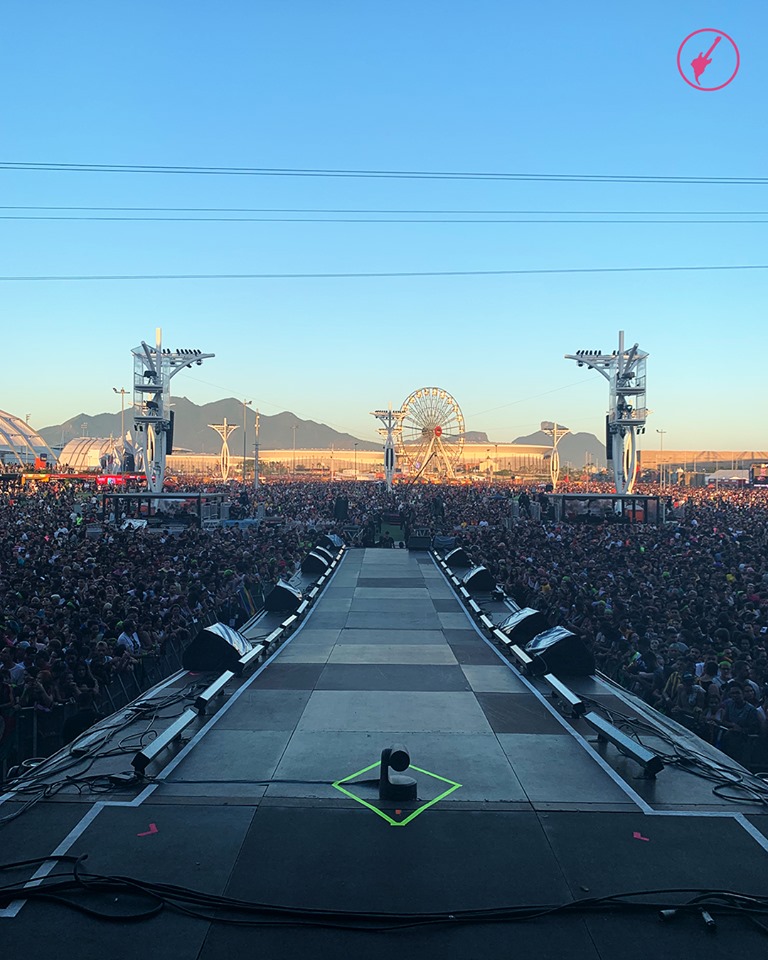
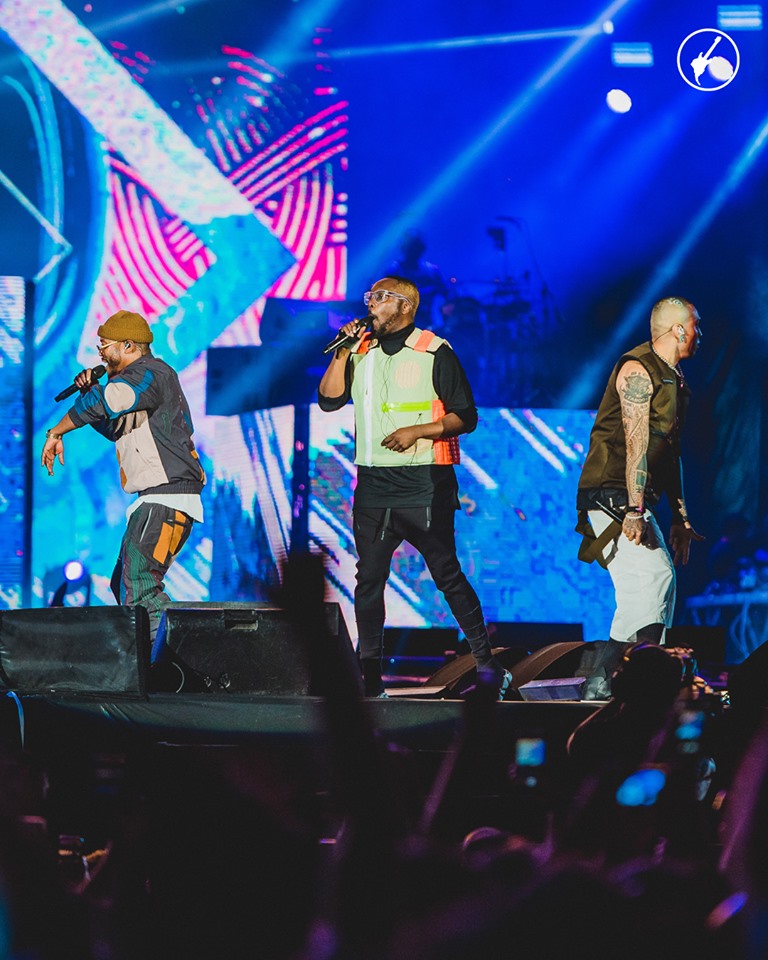
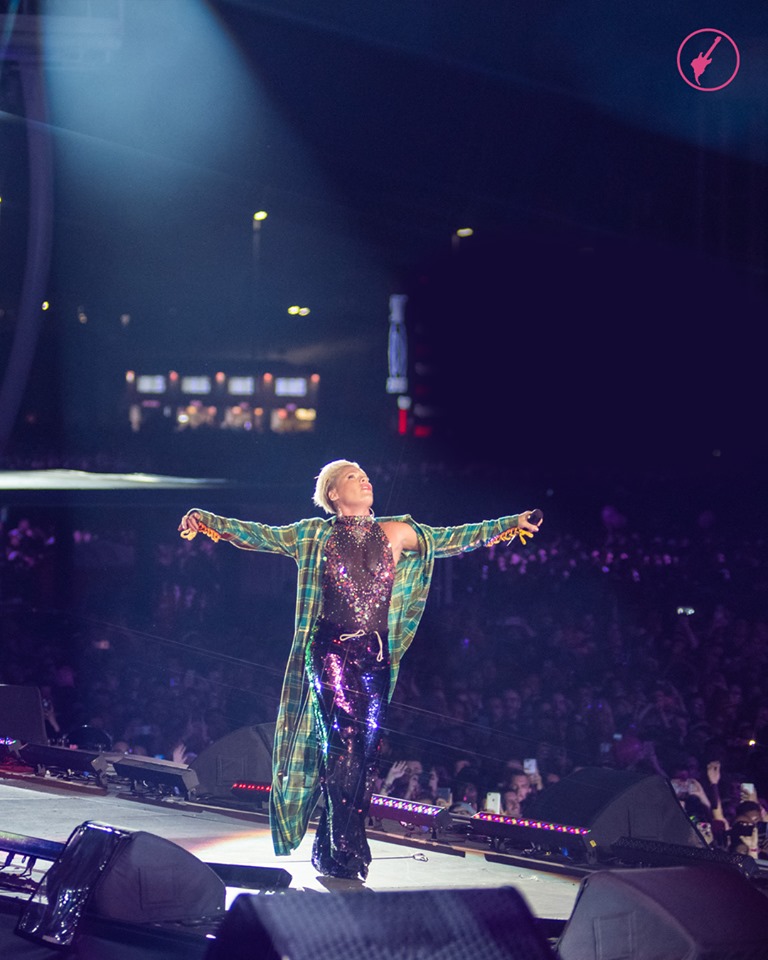
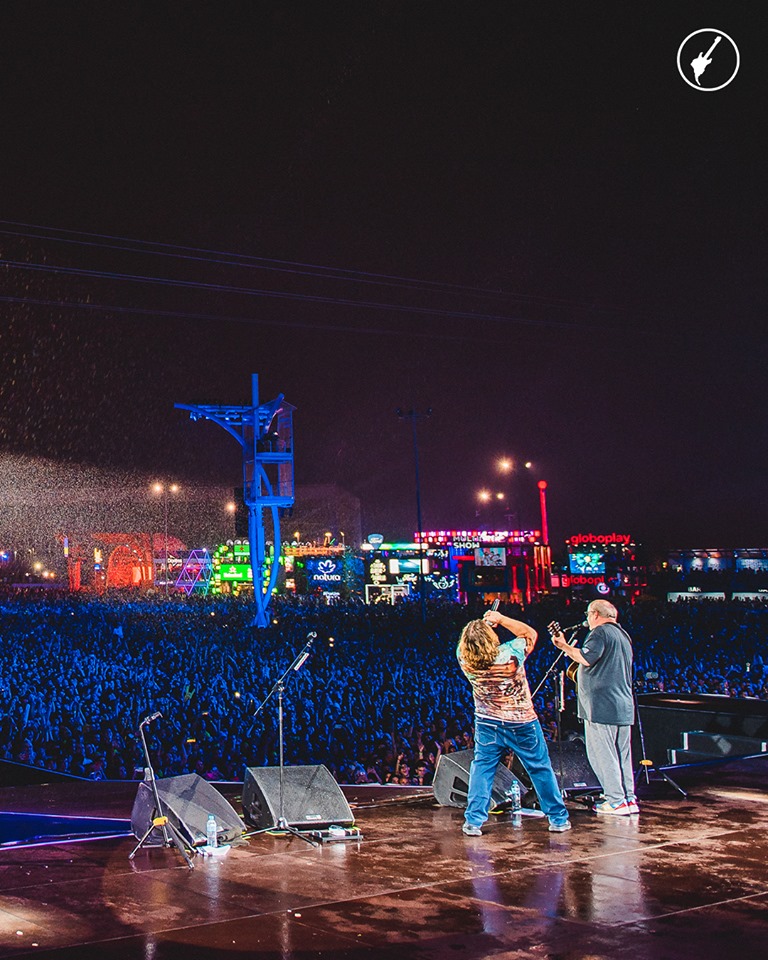
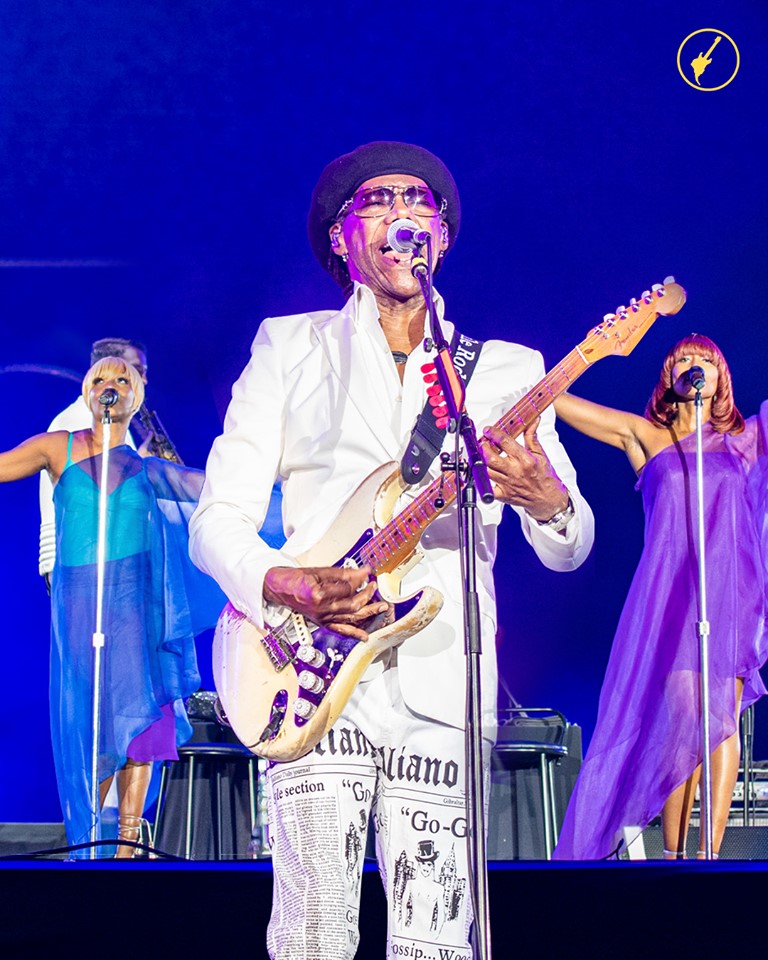
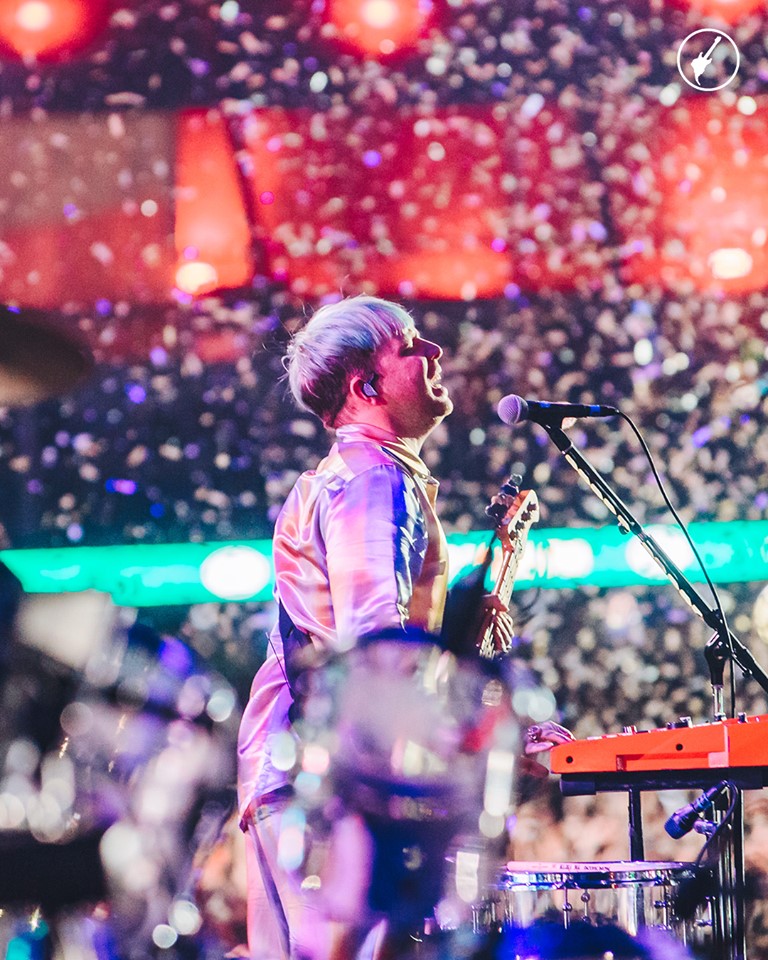
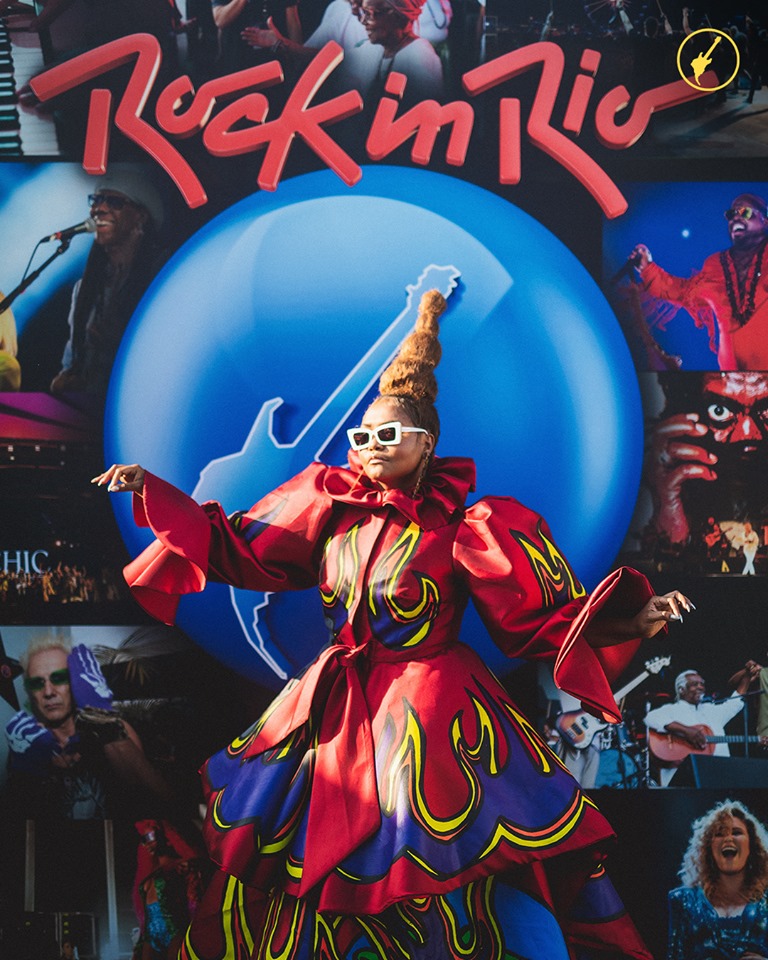
The 8th Rock in Rio in Rio de Janeiro took place between 27 September and 6 October 2019 with seven nights of shows spread over two weekends.
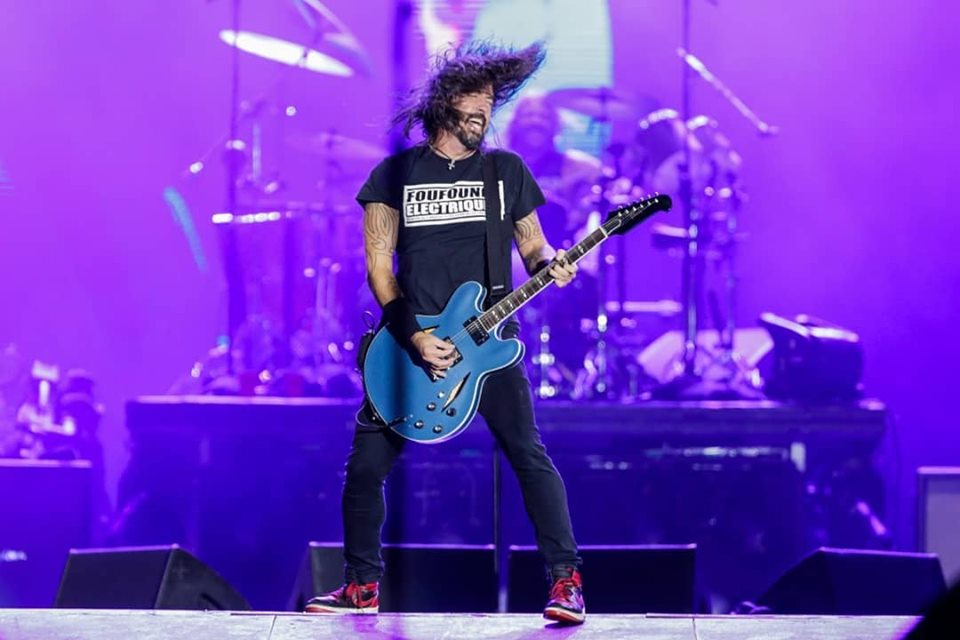
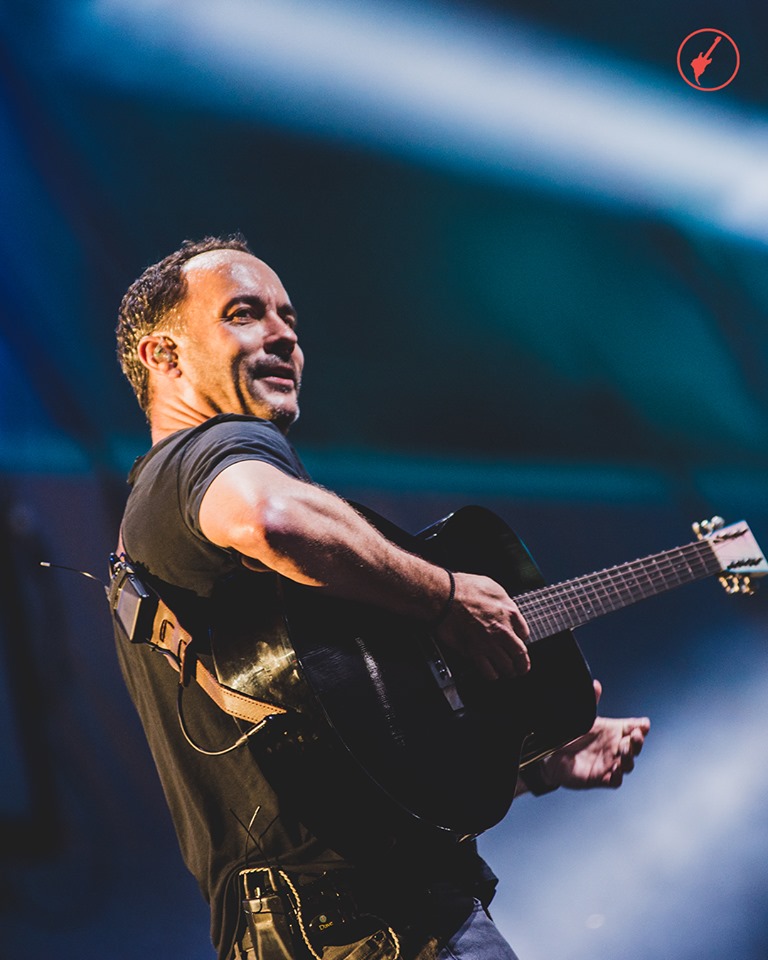
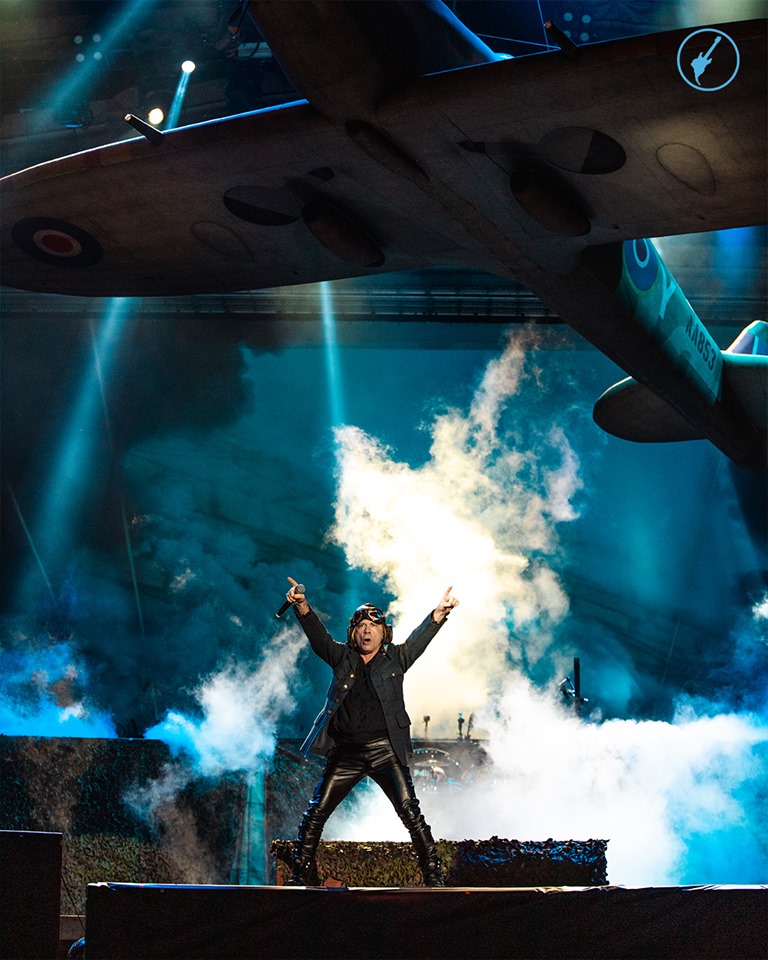
Iron Maiden, who played the first festival in January 1985, returned for its fourth Rock in Rio performance. Also returning to the festival in 2019 were Bon Jovi, Muse, Scorpions, Nickelback, Red Hot Chilli Peppers, Nile Rodgers & Chic, Dave Matthews Band, Whitesnake, Sepultura, Foo Fighters, Slayer, Seal and Jessie J, as well as a number of Brazilian acts, such as Paralamas who played the first festival, and Ivete Sangalo.
But Rock in Rio never stands still so the opening headline act in 2019 was Drake, one of the most watched star on the planet right now, but a man who was born 21 months after the first festival. Pink also made her Rock in Rio and South American debut, on a night that also included the Black Eyed Peas, H.E.R., Charlie Puth, and one of Brazil biggest acts, Anitta.
Other new acts performing in 2019 included Imagine Dragons, Ellie Goulding, Bebe Rexha, Alok, Weezer, Tenacious D, Goo Goo Dolls, Panic! At the Disco, Helloween, Anthrax and King Crimson.
The festival is scheduled to return to Rio in September 2021, when there is expected to be a parallel festival in Santiago, Chile.
Brazil has announced the 12 films from which one will be chosen to be submitted to the Academy of Motion Picture Arts and Sciences in Los Angeles as Brazil’s Oscar entry in the new category of best international feature film (previously Foreign Language). The list includes two documentaries (“Humberto Mauro” e “Espero tua (re)volta, two films that premiered in Cannes in May 2019, and a number that premiered at Festival do Rio in November 2018
The 12 films are:
“Bacurau”, by Kleber Mendonça Filho
“Los silencios”, by Beatriz Seigner
“A vida invisível”, by Karim Aïnouz
“Sócrates”, by Alex Moratto
“A última abolição”, by Alice Gomes
“A voz do silêncio”, by André Ristum
“Bio”, by Carlos Gerbase
“Legalidade”, by Zeca Brito
“Humberto Mauro”, by André Di Mauro
“Espero tua (re)volta”. by Eliza Capai
“Chorar de Rir”, by Toniko Melo
“Simonal”, by Leonardo Domingues
The jury to choose the film to go forward is made up of directors Anna Muylaert, David Shürmann and Zelito Viana; producers Sara Silveira and Vania Catani; diretor of photography, Walter Carvalho; screenwriter Mikael de Albuquerque; critic, curator and founder of the festival É Tudo Verdade, Amir Labaki; and the director of Festival do Rio, Rio’s international film festival, Ilda Santiago.
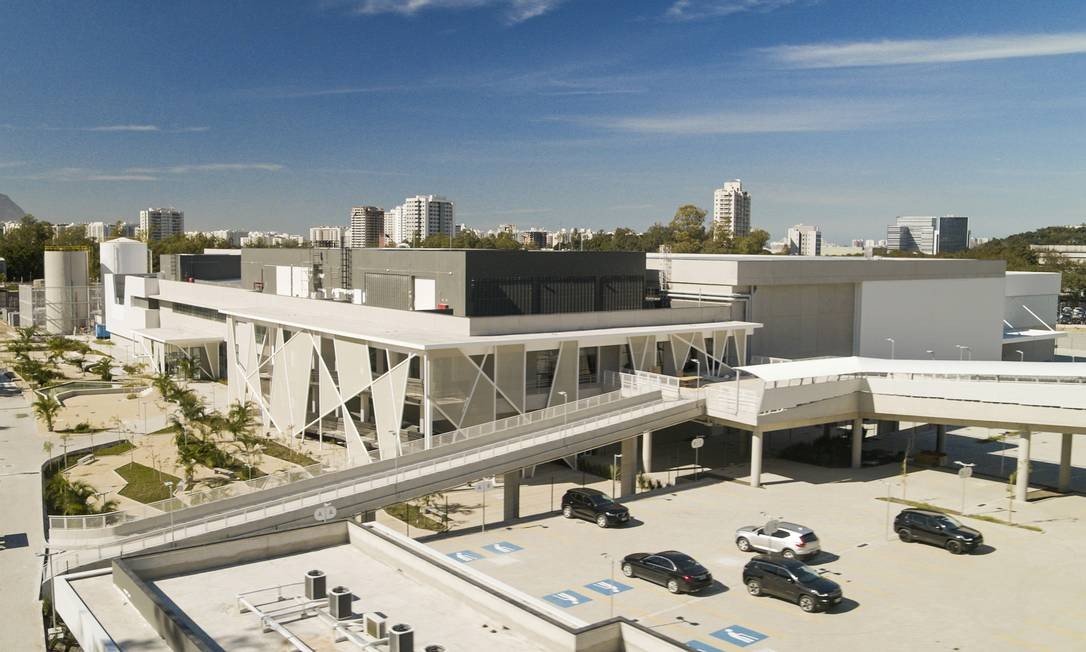
Brazil’s Grupo Globo has inaugurated three new studios and an expanded backlot to make Estúdios Globo in Jacarepagua in Rio de Janeiro the largest TV production centre in Latin America.
Between them the three new wireless studios cover an area equivalent to four football pitches. In total the complex now has thirteen studios, including two for shows involving an audience.
The first production to use the new facility will be the TV Globo novela “Amor de Mãe”, written by Manuela Dias and directed by José Luiz Villamarim.
















 Rio the Guide